
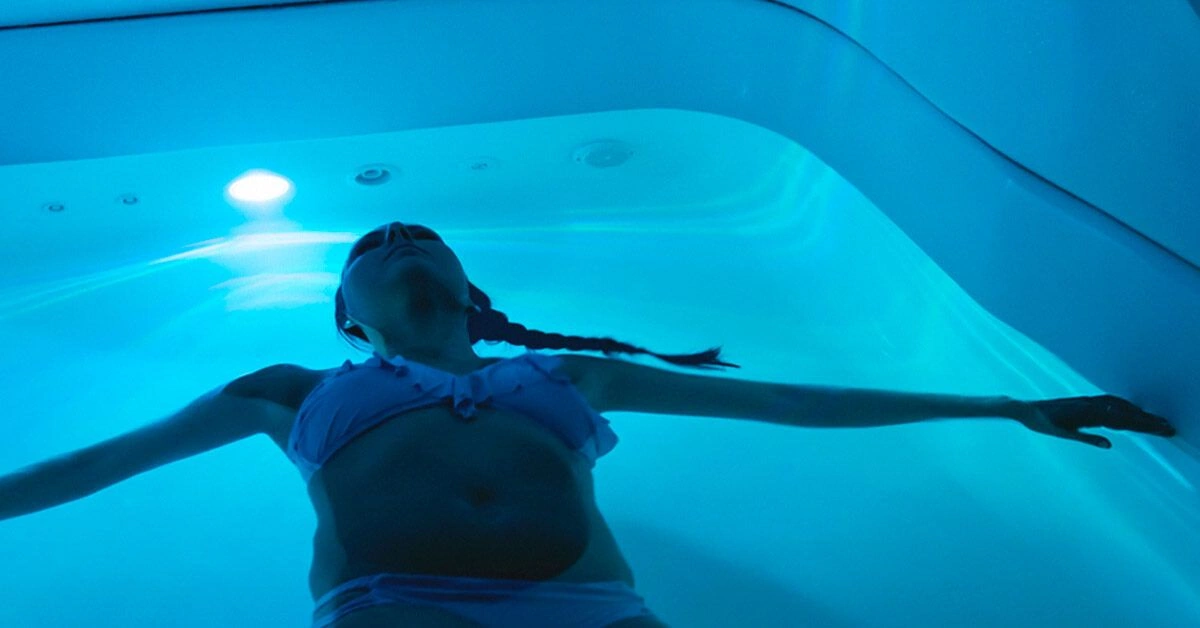
Sensory deprivation tank therapy can promote deep relaxation, enhance sleep quality, and reduce stress, anxiety, and pain. It may offer other health advantages as well.
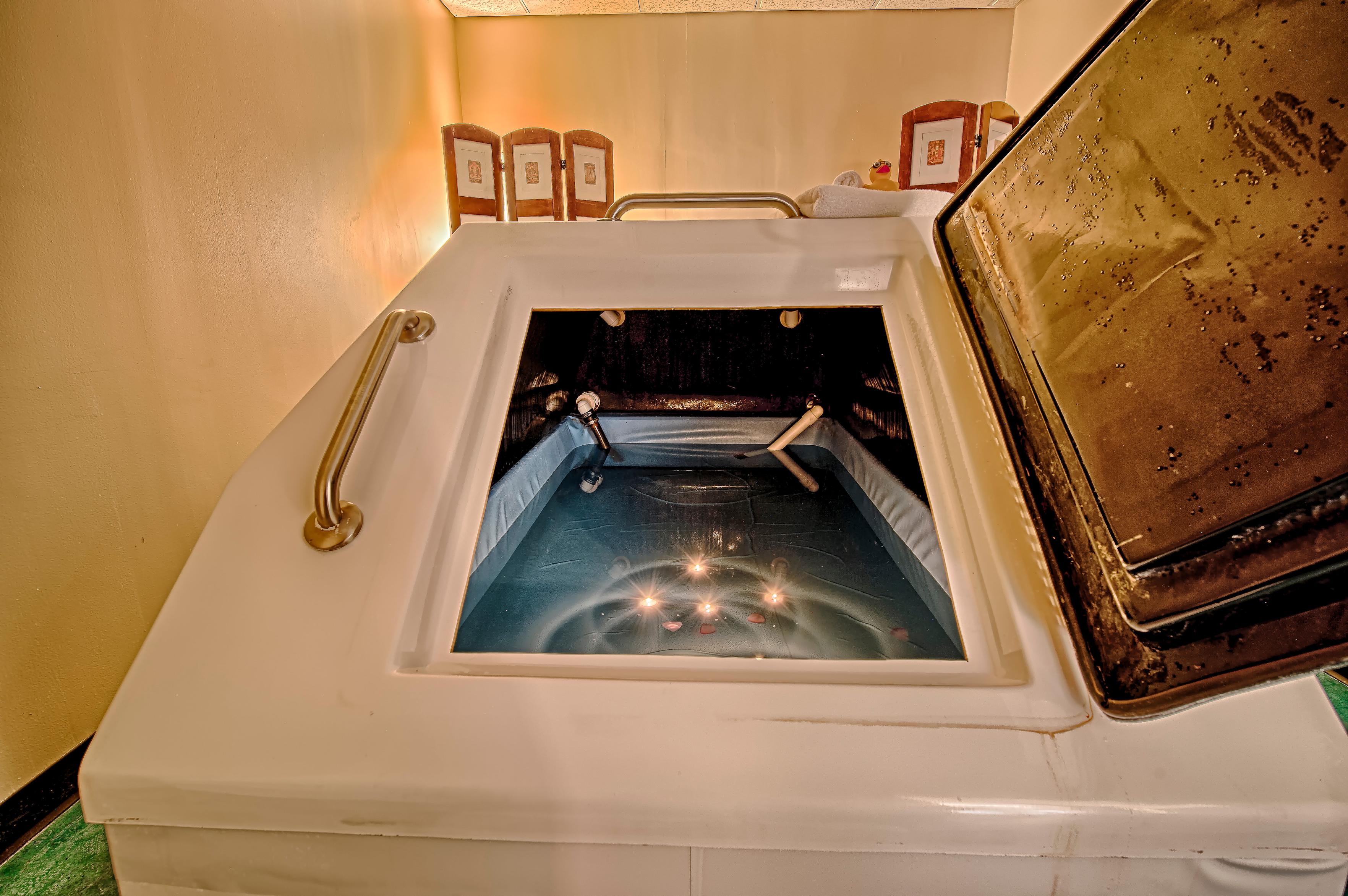
A sensory deprivation tank — also referred to as an isolation tank or flotation tank — is employed for restricted environmental stimulation therapy (REST). It’s a dark, soundproof enclosure filled with roughly a foot or less of highly salted water.
The inaugural tank was developed in 1954 by John C. Lilly, an American physician and neuroscientist. He created the tank to investigate the roots of consciousness by removing all external sensory input.
His work became controversial in the 1960s when he began testing sensory deprivation while under the influence of LSD, a hallucinogen, and ketamine, a rapid-acting anesthetic known for producing sedation and trance-like states.
Commercial float tanks emerged in the 1970s and began to be evaluated for potential health-related effects.
Today, finding a sensory deprivation tank is straightforward — float centers and spas offering float therapy can be found worldwide.
Their growing popularity is partly supported by research. Studies indicate that time spent floating in a sensory deprivation tank may yield benefits for healthy individuals, such as muscle relaxation, improved sleep, reduced pain, and lower stress and anxiety.

Sensory deprivation effects
The water in a sensory deprivation tank is warmed to skin temperature and nearly saturated with Epsom salt (magnesium sulfate), creating buoyancy that allows you to float effortlessly.
You enter the tank nude and are shielded from external stimuli — sight, sound, and even the sensation of gravity — once the lid or door is closed. Floating weightlessly in darkness and silence is intended to bring the brain into a profoundly relaxed state.
Sensory deprivation tank therapy is reported to cause a range of brain effects, from hallucinations to boosted creative thinking.
Do you have hallucinations in a sensory deprivation tank?
Many users have described experiencing hallucinations while floating. Over time, research has shown sensory deprivation can trigger psychosis-like phenomena.
A 2015 study split 46 participants into groups based on hallucination-proneness. Investigators observed that sensory deprivation produced similar experiences in both groups and increased hallucination frequency among those already prone to them.
Will it make me more creative?
A 2014 article in the European Journal of Integrative Medicine reported that a number of studies found floating can enhance originality, imagination, and intuition — all of which can contribute to greater creativity.
Can it improve concentration and focus?
Although much existing research is older, evidence suggests sensory deprivation may sharpen focus and concentration and can lead to clearer, more precise thinking. These effects have been associated with better learning and improved performance in school and various professions.
Does it improve athletic performance?
The impacts of sensory deprivation tank therapy on athletic performance have been documented. It appears useful for accelerating recovery after intense physical exertion by lowering blood lactate in a study involving 24 college students.
A 2016 study of 60 elite athletes also reported improved psychological recovery following strenuous training and competition.
Benefits of a sensory deprivation tank
There are several psychological and medical benefits associated with sensory deprivation tanks for conditions such as anxiety, stress, and chronic pain.
Does sensory deprivation tank treat anxiety?
Flotation-REST has been shown to reduce anxiety. A 2018 study demonstrated that a single one-hour session in a sensory deprivation tank produced a significant reduction in anxiety and improved mood among 50 participants with stress- and anxiety-related disorders.
A 2016 study of 46 people who self-reported generalized anxiety disorder (GAD) found reductions in GAD symptoms, including depression, sleep problems, irritability, and fatigue.
Can it relieve pain?
Several studies have confirmed the positive effect of sensory deprivation tank therapy on chronic pain. It’s been shown to be effective for tension headaches, muscle tightness, and general pain relief.
A small study with seven participants reported benefits for whiplash-associated conditions, such as neck pain, stiffness, and limited range of motion. It has also been found to diminish stress-related pain.
Can it improve cardiovascular health?
Flotation-REST may support cardiovascular health by inducing deep relaxation that lowers stress levels and enhances sleep, according to research. Chronic stress and insufficient sleep are associated with high blood pressure and heart disease.
Will it make me happier?
Many accounts claim flotation-REST can produce feelings of elevated happiness and euphoria. People have reported mild euphoria, greater well-being, and a more optimistic outlook after using a sensory deprivation tank.
Others describe spiritual encounters, profound inner calm, sudden insights, and sensations akin to being reborn.
Sensory deprivation tank cost
Installing a home sensory deprivation tank can cost between $10,000 and $30,000. A one-hour float at a flotation center or spa typically ranges from about $50 to $100, depending on location.
Sensory deprivation tank process
The procedure can vary slightly by facility, but a typical session in a sensory deprivation tank usually follows these steps:
- Arrive at the flotation center or spa, arriving early if it’s your first appointment.
- Remove all clothes and jewelry.
- Shower before entering the tank.
- Step into the tank and close the lid or door.
- Lie back gently and allow the buoyant water to keep you afloat.
- Ten minutes of music may play at the beginning of your session to help you unwind.
- Float for approximately one hour.
- Music may play for the final five minutes of the session.
- Exit the tank when your session concludes.
- Shower again and dress.
To maximize relaxation and the benefits of your session, it’s advised to eat something about 30 minutes beforehand and avoid caffeine for four hours prior.
Avoid shaving or waxing immediately before a session, as the salt in the water can irritate freshly treated skin.
Women who are menstruating should reschedule until after their period has ended.
Takeaway
When used correctly, a sensory deprivation tank can help lower stress, relieve muscle tension and pain, and improve mood.
Sensory deprivation tanks are generally safe, but consult a physician before using one if you have medical concerns or conditions.






















Leave a Reply
You must be logged in to post a comment.