Shingles vs Eczema: How To Tell the Difference Between Them

- What is shingles?
- What causes shingles?
- Symptoms of shingles
- How to prevent shingles
- What does shingles look like?
- What is eczema?
- What causes eczema?
- Symptoms of eczema
- How to prevent eczema
- What does eczema look like?
- What are the key differences between shingles and eczema?
- How is shingles treated?
- How is eczema treated?
- The bottom line
Shingles and eczema are both skin disorders that produce inflamed patches. These irritated areas can vary in size and may be itchy or painful. Because they share some visual similarities, one condition can sometimes be confused with the other. However, shingles and eczema are distinct disorders with different root causes and treatment approaches. Because both can lead to complications if not treated appropriately, distinguishing between them is important. Read on to understand the main differences between shingles and eczema.
What is shingles?
Shingles, also called herpes zoster, results from reactivation of the varicella-zoster virus (VZV). This is the same virus that causes chickenpox (varicella) in childhood. After a chickenpox infection, the virus can remain dormant in the body. Shingles can occur in anyone, but it’s more likely when you’re under stress, ill, or your immune defenses are weakened. When immune function is compromised, the dormant virus can become active and trigger shingles.
What causes shingles?
Multiple factors can reduce immune function and precipitate shingles. These include:
- advancing age
- emotional or psychological stress
- very cold temperatures
- excessive sun exposure
- having a cold or other illness
- taking certain drugs, such as immunosuppressants
- cancer
- chemotherapy
- HIV infection
Although shingles can strike at any age, it’s most frequently seen in adults aged 50 and older.
Symptoms of shingles
Shingles usually begins with a tingling, itchy sensation followed by a rash appearing on one side of the body. The rash initially appears as a pink, itchy patch with small blisters that form on top. When the blisters burst, they can be painful. Shingles can occur anywhere, but commonly affects one side of the head, torso, or face and may involve the eyes or mouth. Early symptoms in addition to a tingly, itchy rash include:
- fever
- chills
- headache
- nausea
If the eye is involved, vision from the affected eye can be impaired. When shingles affects the face or neck, it can cause dizziness or buzzing in the ear on that side. The blisters typically crust over within 7 to 10 days and clear in about 2 to 4 weeks. However, pain may persist for months or years after the rash resolves — a condition called postherpetic neuralgia. Roughly 10 to 18 percentTrusted Source of people who develop shingles go on to experience this long-term nerve pain.
How to prevent shingles
The most effective way to prevent shingles is vaccination with the recombinant zoster vaccine, commonly known by the brand name Shingrix. It’s administered in two doses spaced about 2 to 6 months apart. The Centers for Disease Control and Prevention (CDC)Trusted Source advises vaccination for healthy adults aged 50 and older. The vaccine is over 90 percentTrusted Source effective at preventing shingles. Vaccinated individuals may still get shingles, but episodes tend to be milder and the risk of postherpetic neuralgia is reduced.
What does shingles look like?
Here’s how shingles can appear on various parts of the body:

What is eczema?
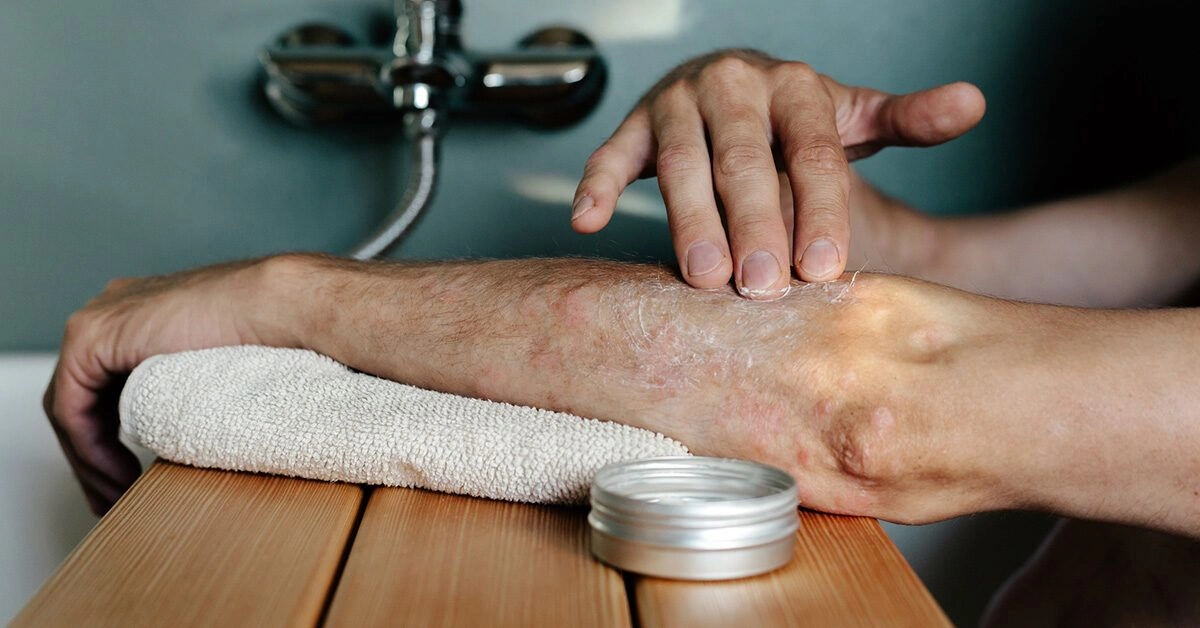
Eczema is a general term for several types of skin conditions that cause inflamed, itchy, and irritated skin. The most common variety is atopic dermatitis. Eczema is a long-term (chronic) condition that can lead to recurrent itchy flares and increase the risk of skin infections if not well controlled. It frequently begins in childhood but can also develop or persist into adulthood.
What causes eczema?
There isn’t a single known cause of eczema. It seems to involve genetic and environmental contributors. One factor may be mutations affecting production of filaggrin, a protein that helps maintain the skin barrier and retain moisture. Reduced filaggrin leads to dry, more easily irritated skin. An overactive immune response may also play a role: when the body encounters certain external substances — like chemicals, pollen, or mold — the immune system can overreact and produce inflammation.
Symptoms of eczema
Eczema leads to an uncomfortable rash that may include:
- very dry skin
- intense itching
- fluid-filled bumps
- red or brownish patches
- thickened or peeling skin from scratching
- swelling
How to prevent eczema
Because eczema often has genetic roots, it can’t always be fully prevented. Still, there are measures to reduce the frequency and severity of flare-ups, including avoiding common triggers such as:
- harsh chemicals
- fragrances or dyes
- rough, scratchy fabrics
- pollen
- mold
- dust mites
- pet dander
- extreme temperatures
- emotional stress
- certain foods
- very dry skin
What does eczema look like?
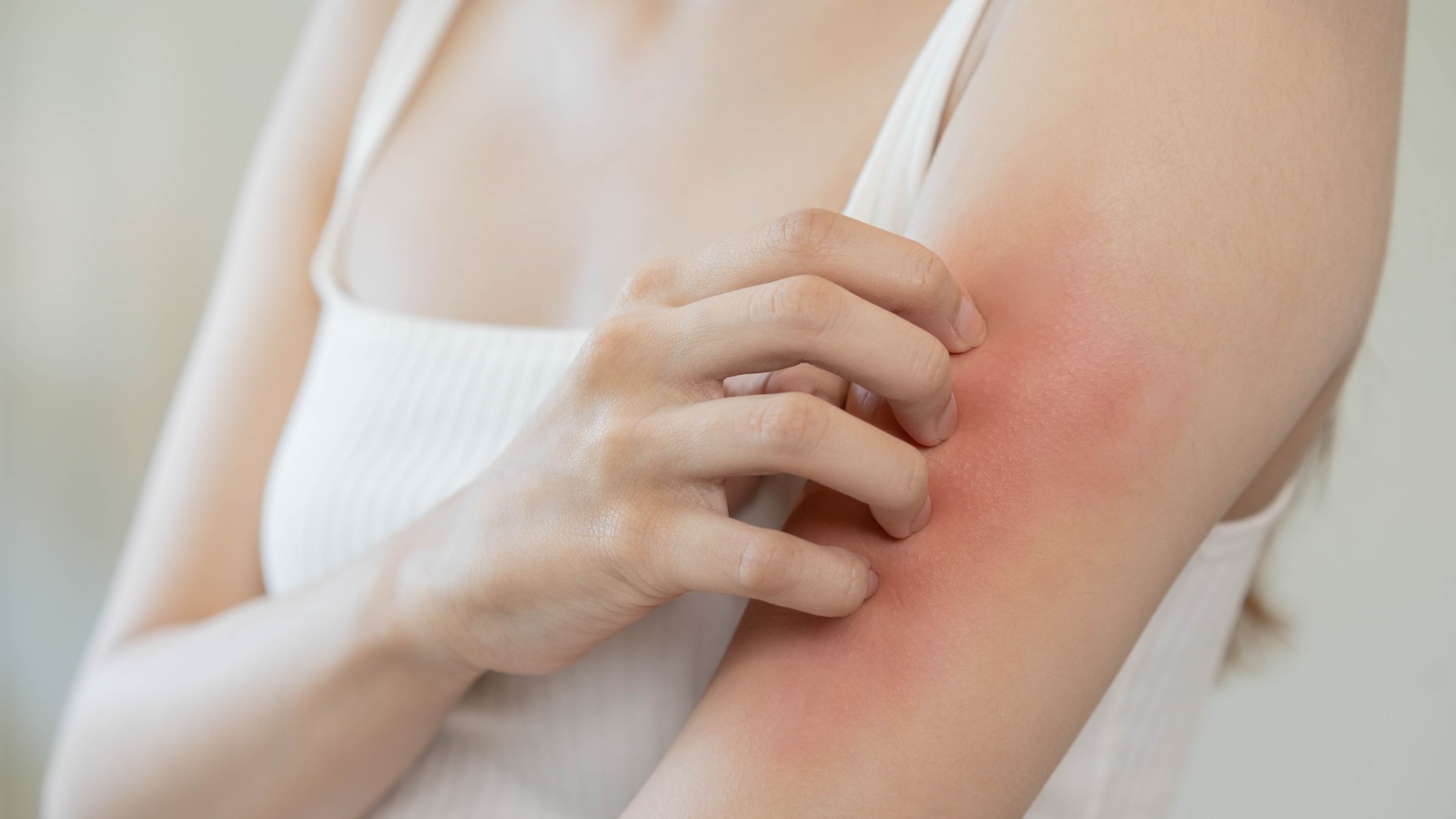
Here’s an example of what an eczema patch may look like:
What are the key differences between shingles and eczema?
There are several important distinctions between shingles and eczema symptoms. Key differences include:
- Pre-rash sensations. Shingles often causes tingling or burning days before the rash emerges. Eczema can cause itchy skin without a rash, but it doesn’t typically produce the nerve-related tingling or burning seen with shingles.
- Distribution of the rash. A shingles rash usually appears on just one side of the body. Eczema tends to affect both sides.
- Type of skin discomfort. Shingles commonly causes pain, burning, numbness, or sensitivity to touch. It may begin as an itch and progress to tenderness and pain. Eczema is intensely itchy with dry, scaly areas and is not usually painful unless the skin becomes severely dry and fissured.
- Fatigue. Shingles frequently causes pronounced tiredness. Eczema can disturb sleep and cause tiredness, but it does not produce the same systemic fatigue often seen with shingles.
- Skin thickening. Repeated rubbing and scratching with eczema can lead to thickened skin. This is not a typical feature of shingles.
- Duration of pain. Shingles generally resolves in a few weeks, though a minority of people develop persistent nerve pain. Eczema is not commonly painful unless the skin cracks; once treated, associated pain diminishes.
- Recurrence. Shingles most often occurs as a single episode, though it can recur. Eczema tends to cause recurring flare-ups over time, particularly without effective management.
How is shingles treated?
To diagnose shingles, a clinician will use several approaches:
- Physical exam. A doctor will inspect your rash and blisters, which is often sufficient for diagnosis.
- Medical history. Reviewing your health history helps assess your risk for shingles.
- Laboratory tests. If needed, a provider may sample skin or blister fluid and send it to a lab to confirm the virus.
There is no cure for shingles, but prompt treatment can shorten the rash, ease symptoms, and reduce the risk of complications — especially when the eyes or inner ear are involved. Treatment options include:
- Antiviral drugs. Antivirals can lessen the severity and duration of an outbreak. Common medications include acyclovir, valacyclovir, or famciclovir.
- Pain relief. Over-the-counter pain medicines can help. For severe pain, doctors may prescribe opioids, topical lidocaine, or gabapentin for nerve-related pain.
- Topical steroids. A steroid cream can reduce inflammation, itching, and discomfort.
- Topical capsaicin. If nerve pain lingers after the rash heals, capsaicin cream may offer relief.
Optum Now is operated by RVO Health. By clicking on this link, we may receive a commission. Learn more.
How is eczema treated?
See a clinician if you notice eczema symptoms for the first time. A provider can examine your skin and confirm an eczema diagnosis and discuss management, possibly with referral to a dermatologist. If you already have eczema, continue following your clinician’s guidance. While there’s no cure, treatments and self-care can reduce flare-ups and protect the skin. Management strategies include:
- Regular moisturizing. Daily application of an ointment—preferably fragrance- and preservative-free—is a cornerstone of care.
- Corticosteroids. Mild eczema may respond to over-the-counter hydrocortisone. Severe cases may require prescription topical or systemic corticosteroids.
- Antihistamines. Over-the-counter antihistamines can relieve itch linked to allergies.
- Avoiding scented products. Use unscented detergents, soaps, shampoos, and personal care items to reduce irritation.
- Identifying and avoiding triggers. Recognizing what sparks your flare-ups—whether certain soaps, fabrics, foods, or stress—allows you to take steps to avoid those triggers.
The bottom line
Although both shingles and eczema produce skin rashes, they are distinct conditions. Shingles is an infection caused by reactivation of the VZV and typically produces a painful, blistering rash on one side of the body. Eczema is an inflammatory skin disorder often driven by an overactive immune response to external factors like chemicals, fragrances, or dry conditions; it usually causes itchy, peeling, or blistering rashes that can appear on both sides. Neither condition has a cure, but early treatment can limit complications. If you develop a persistent or troubling skin rash, consult a healthcare professional.
Frequently Asked Questions
Shingles often starts with tingling or burning on one side of the body and develops into clustered blisters that follow a nerve distribution. Eczema usually causes dry, intensely itchy, scaly patches that commonly appear on both sides and recur over time.
Shingles commonly causes pain, burning, or sensitivity and may begin with tingling. Eczema is primarily intensely itchy; it can be painful only if the skin is cracked or infected.
Yes. The recombinant zoster vaccine (Shingrix) given in two doses significantly reduces the risk of developing shingles and lowers the chance of long-term nerve pain.
Some symptomatic treatments overlap, such as topical steroids for inflammation. However, shingles often requires antiviral medication, while eczema management focuses on moisturizers, trigger avoidance, and anti-inflammatory creams.
Seek medical attention if a rash is painful, involves the face or eyes, spreads rapidly, shows signs of infection, or fails to improve with basic care. Prompt evaluation is important to start appropriate treatment.
Read Next

What’s the Best Antiseptic for Open Wounds? Iodine, Peroxides, and More

Everything You Need to Know About Fever Blister Remedies, Causes, and More

Can COVID-19 or the COVID-19 Vaccine Affect Your Period?

6 Foam Roller Exercises for Your Back

The Manscaping Guide to Healthy, Well-Groomed Pubic Hair

What Are the Best Alternatives to Pushups?
Related Posts
What Are Skin Neoplasms?
Aug 2, 2026 • 9 min read
How to Remove and Prevent Moths in Your Home
Aug 16, 2026 • 7 min read
What You Need to Know About Vacuum-Assisted Wound Closure (VAC)
Jul 31, 2026 • 35 min read
6 Natural Treatments for Shingles
Sep 8, 2026 • 6 min read
Why Is My Sweat Salty? The Science Behind Sweat
Aug 27, 2026 • 35 min read