
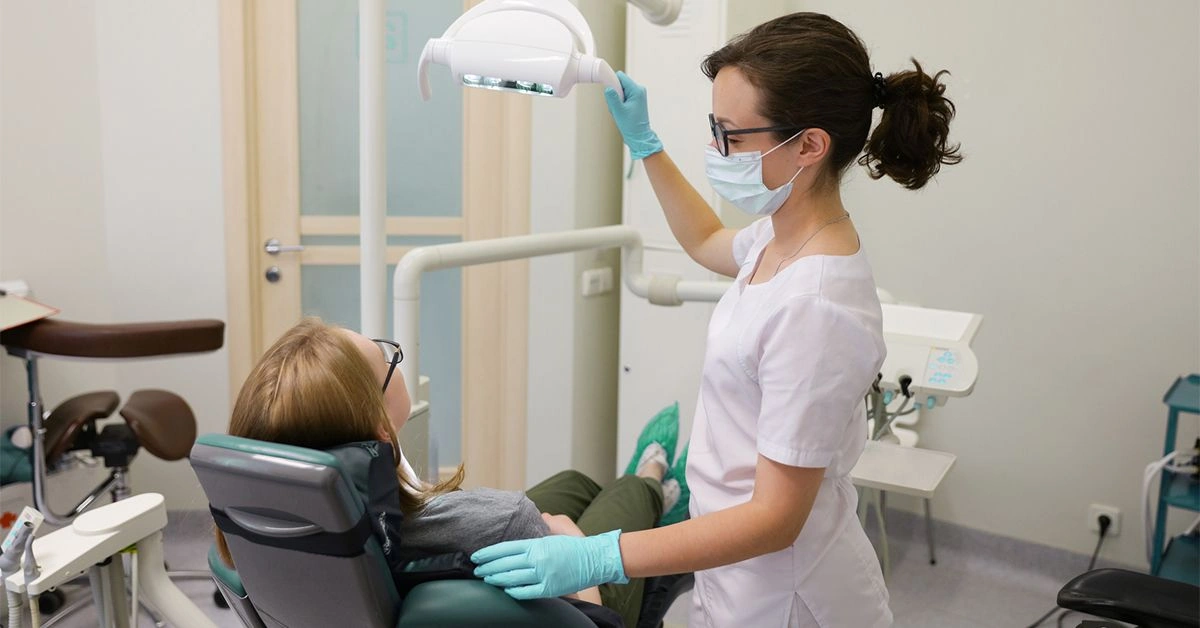
A space between teeth is fairly common and usually isn’t a medical emergency. In youngsters, a gap often closes naturally over time, though some spaces remain.
Multiple reasons can lead to gaps between teeth. Some arise when the size of the jaw and teeth differ, while others stem from gum disease, missing teeth, or childhood behaviors such as thumb-sucking.
Whether the gap is large or small, it can make you feel self-conscious and prompt you to explore ways to close it. There isn’t a one-size-fits-all fix, so you’ll want to consult a dentist to review your choices.
Read on to discover the most frequently used methods for closing a gap in your teeth.

1. Braces
Braces function by applying steady pressure to slowly draw teeth together. That constant force repositions teeth into the desired alignment, ultimately eliminating the gap.
Braces are effective for both small and large gaps and can sometimes correct spaces caused by a missing tooth.
A benefit of braces is that they treat the whole mouth, shifting multiple teeth, which is useful when several gaps exist. They also correct crooked teeth and help align the jaw for a balanced bite.
You have several brace options, including:
- traditional metal braces
- ceramic braces
- lingual braces
- self-ligating braces
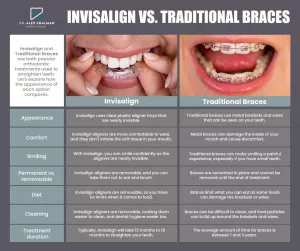
- Invisalign aligners
Unlike bracket-based systems, Invisalign uses removable clear aligners. This can be a choice for smaller gaps or for those who prefer a less noticeable approach.
You can take out Invisalign while eating or drinking, and they make brushing and flossing easier than fixed braces.
Keep in mind Invisalign typically costs more than conventional braces. Because they’re removable, they can be misplaced, and some people find them less comfortable than traditional braces.
2. Veneers
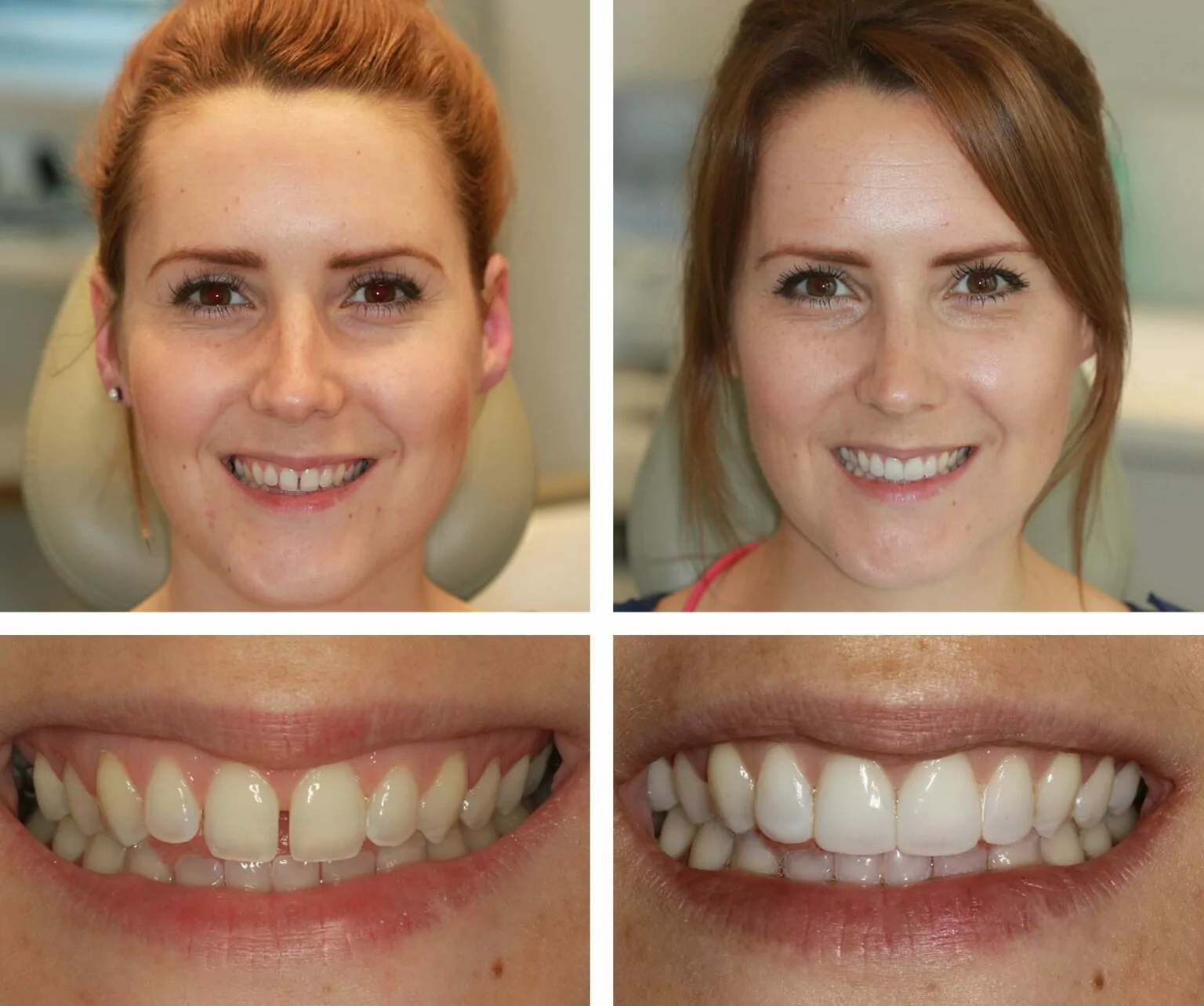
Veneers are another way to address a tooth gap. With this method, a custom-made thin shell is bonded to the front surface of the tooth.
Veneers are long-lasting and resist stains and chipping. They’re color-matched to your teeth and, being slightly broader than the natural tooth, can disguise a gap without orthodontics.
Veneer varieties include porcelain and composite options, and removable veneers are sometimes available.
The upside is that veneers resist staining, blend with adjacent teeth, and have a low likelihood of breaking. Many veneers last a decade or longer.
The downside is cost — veneers can be pricey, often around $1,000 (or more) per tooth.
3. Dental bonding
Dental bonding also uses a composite resin to close gaps, similar in appearance to veneers.
However, bonding doesn’t involve a shell placed over the tooth. Instead, the dentist applies the pliable composite directly to the tooth and sculpts it to conceal the space between teeth.
Once the material hardens, it adheres to the tooth and looks and feels like a natural tooth.
Bonding is more affordable than veneers, but the bond isn’t as durable. There’s a greater chance of cracking, chipping, or staining the resin.
Bonding generally doesn’t last as long as veneers; you may need touch-ups or replacements every 5 to 10 years.
4. Dental implants
While orthodontics can close some gaps from missing teeth, that’s not always feasible.
If a tooth is missing or has been extracted, an implant may be the preferred way to close the gap in many cases.
A dental implant replaces the tooth root with an artificial post that supports a prosthetic tooth. The procedure requires oral surgery to place the post into the jawbone, and after healing, a crown is attached.
Implants are intended to be permanent, though the artificial crown may need replacement after about 15 years. The drawback is that implant treatment involves surgery, is costly, and the full process — including healing — can take several months.
Can you fix a tooth gap at home?
For minor spaces you might wonder: Can I correct them at home with over-the-counter products?
Although some products claim to close gaps without professional care, these carry risks.
Some people try gap bands — small rubber bands wrapped around several teeth to generate tension and close a space, similar in principle to braces.
Although gap bands are available online and in stores, they’re not advised. This DIY approach can harm gums and the bone supporting teeth, potentially leading to tooth loss.
Another DIY idea is teeth fillers — moldable plastic pellets you heat, shape, and attach to teeth to fill a gap.
However, this is only a temporary measure. The material does not permanently bond to teeth and may dislodge, creating a choking or swallowing hazard.
Which option is best for you?
A dentist can guide your choice based on:
- the underlying cause of the gap
- the gap’s size
- your overall oral health
- your financial constraints
Broadly speaking, braces are ideal when you have multiple gaps or want to address other alignment issues like a misaligned bite or crooked teeth.
For one or a few smaller gaps, veneers or dental bonding can be suitable. If a gap is too wide for veneers, an implant might be recommended.
Takeaway
A gap between teeth usually poses more of a cosmetic issue than a health threat. Fortunately, there are several treatment choices to fit different needs and budgets.
Consult a dentist to review safe and effective options, and avoid do-it-yourself remedies, which can be risky and unreliable.

















Leave a Reply
You must be logged in to post a comment.