

Tinnitus refers to hearing a continuous ringing or other noise in the ear that does not come from an external source. Possible contributors include hearing impairment, an obstruction in the ear canal, and certain drugs.
An estimated 10 to 15 percent of adults experience tinnitus.
Tinnitus retraining therapy (TRT) is one treatment choice for moderate to severe tinnitus. It combines educational counseling with sound-based therapy to train the brain to disregard the intrusive sound.
Some research indicates TRT benefits most patients, although there remains limited proof that it outperforms other approaches.
Continue reading to find out how TRT works, what to expect from it, and how well it performs.
How does tinnitus retraining therapy work?
Tinnitus can vary from barely noticeable to severely disrupting daily life.
Some forms of tinnitus — for example, those caused by earwax buildup or as a side effect of a medication — can be resolved by removing the blockage or stopping the medication. However, most cases linked to hearing loss cannot be cured, according to 2019 research.
There are medical options that may help control symptoms.
TRT is an approach where counseling and sound therapy are combined to help you slowly habituate to the tinnitus sound. Habituation means becoming accustomed to a sound so you stop focusing on it.
Habituation is a common part of everyday life. For instance, a fan may seem annoying when first switched on, but after a while its noise tends to fade into the background.
Counseling
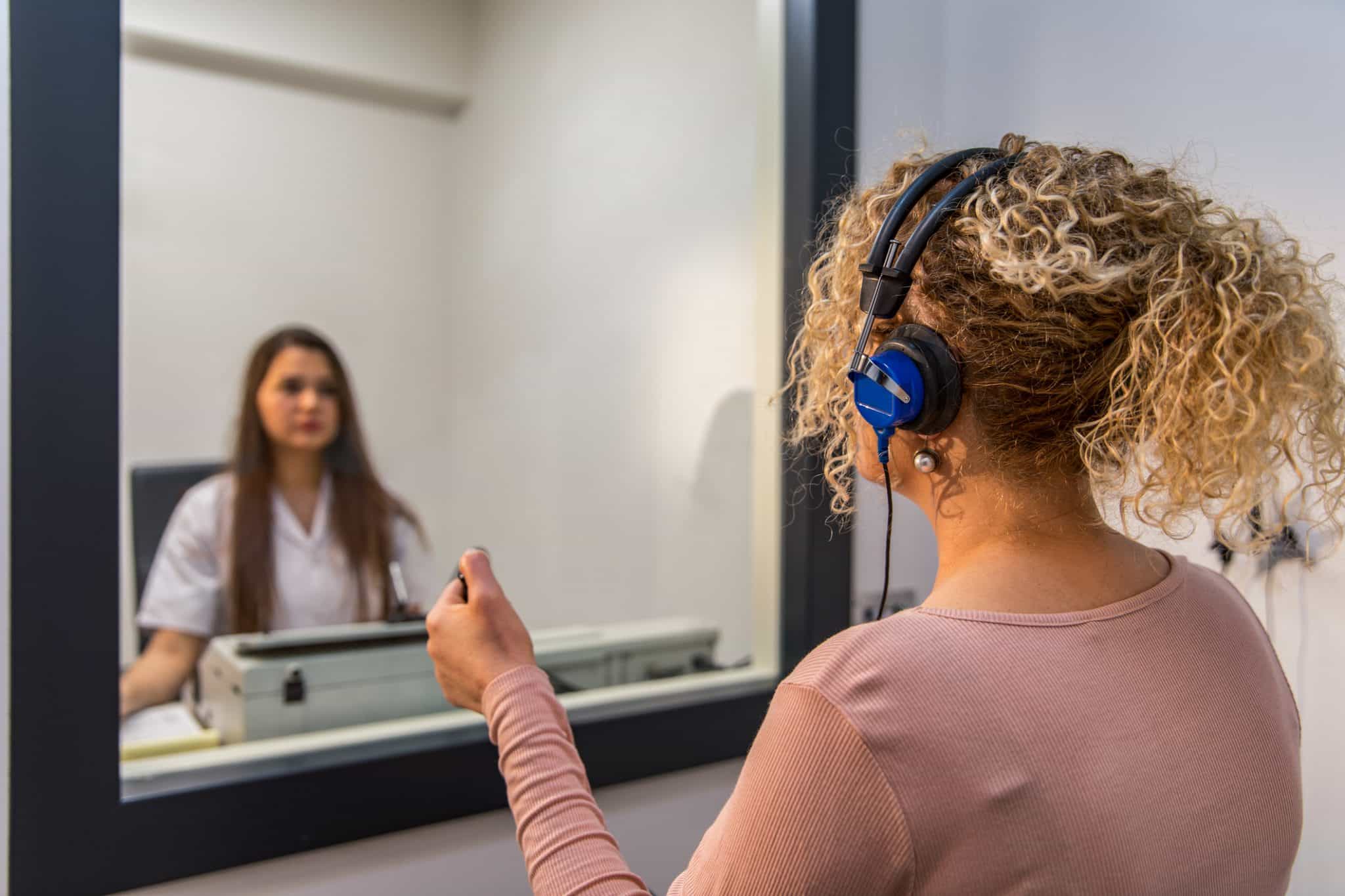
Before starting TRT, you’ll have an interview and medical exam with a clinician to assess your symptoms and hearing. If a medication or underlying condition is the cause, you might need a different treatment.
Following these exams, you’ll have counseling with an audiologist. Counseling is designed to alter how you interpret your tinnitus and initiate habituation. Sessions usually last about 1 to 2 hours.
During counseling, the specialist will go over the findings from your initial assessment. They’ll explain how your auditory system functions to dispel misunderstandings and to reshape negative beliefs about your tinnitus.
The counselor will also suggest tactics to begin the habituation process, concentrating on reducing your emotional distress and heightened sensitivity to the sound.
Sound therapy
The sound therapy portion of TRT employs external sounds to reduce the prominence of your tinnitus. In this phase, you typically wear a device behind the ear that emits masking or white noise at a level slightly below your perceived tinnitus.
The aim of sound therapy is to lessen the contrast between the tinnitus and environmental sounds so your brain becomes less aware of the tinnitus.
Note that insurance frequently does not cover these devices.
How effective is tinnitus retraining therapy?
With TRT, it generally takes 12 to 18 months to reach habituation. Initial improvements often appear after about 3 months.
Over 100 studies have evaluated TRT, and the majority report notable improvements in roughly 80 percent of patients.
TRT has been refined over time, increasing its success for many, yet the precise mechanism by which it alleviates tinnitus remains not fully clarified.
Evidence is still unclear on whether TRT is superior to alternative treatments, according to 2021 research.
Researchers point to a shortage of randomized controlled trials and a substantial placebo response as reasons for uncertainty.
Additionally, tinnitus often diminishes on its own over time for many individuals. Some people habituate without formal therapy or find their own masking strategies, such as using a sound machine or running a fan at night.
A 2016 study saw no clear advantage among tinnitus masking, TRT, and education/counseling in reducing tinnitus severity.
In a 2019 study, researchers compared TRT with standard counseling for improving tinnitus-related quality of life. About half the participants experienced meaningful symptom reductions, but differences between groups were minimal.
A 2021 review concluded there’s insufficient evidence to form conclusions about treating tinnitus in children, citing a high risk of bias in existing studies.
Precautions and potential side effects
TRT is generally regarded as safe and has no known adverse effects. Discuss any worries with your primary care physician or audiologist before beginning therapy.
When to contact a doctor for ringing in your ears
Tinnitus is common, and for some people it can markedly reduce quality of life. If tinnitus is significantly bothering you, consider seeing a doctor for assessment and possible treatment.
You should also seek medical attention if:
- You hear a pulsating sound like a heartbeat.
- The tinnitus affects only one ear.
- The tinnitus begins suddenly.
- The sound is so intrusive that it prevents concentration.
- You experience dizziness, vertigo, or hearing loss along with the tinnitus.
Are there other types of treatment for tinnitus?
There’s no universal cure for tinnitus yet, but treatments can help you manage symptoms. Common approaches include the following.
Lifestyle changes
Altering certain habits may ease symptoms. Possible changes include:
- cutting back on alcohol if you drink
- reducing salt intake if tinnitus is related to Meniere’s disease
- stopping smoking if you smoke — which can be challenging, but a clinician can help create a quit plan
- lowering stress
- avoiding known triggers
- maintaining healthy blood pressure
- avoiding loud noises and not listening to music loudly with earbuds
Hearing aids
Tinnitus commonly accompanies hearing loss. Hearing aids amplify external sounds and may make tinnitus less noticeable. Many hearing aids also include tinnitus masking features.
Learn more about hearing aids for tinnitus.
Sound masking devices
Sound masking devices play white noise or other sounds to cover tinnitus. They can be worn in the ear, used as external sound machines, or played from a phone.
A small 2017 study found that broadband sounds, including white noise, tended to be more effective than nature sounds at masking tinnitus.
Cognitive behavioral therapy
Cognitive behavioral therapy (CBT) works to identify and change negative thought and behavior patterns.
2021 research shows CBT may not reduce perceived tinnitus loudness but can improve overall wellbeing for those affected.
Medications
Various drugs have been tested for tinnitus, but none are proven effective for everyone.
Clinicians may prescribe antidepressants, though several randomized trials and reviews have not shown clear benefits for tinnitus itself. They can help patients who also suffer from major depression or sleep problems.
Anticonvulsants have not consistently delivered benefit, but some people report partial relief.
Takeaway
TRT is a promising tinnitus treatment that combines counseling and sound therapy to reduce symptoms. Research suggests TRT leads to significant improvement for around 80 percent of people, but there is still insufficient evidence showing it is superior to other therapies.
If tinnitus is troubling you, consider consulting a doctor. While some forms of tinnitus lack a cure, many people find meaningful relief with treatment. A clinician can also check for underlying medical causes contributing to your tinnitus.





















Leave a Reply
You must be logged in to post a comment.