

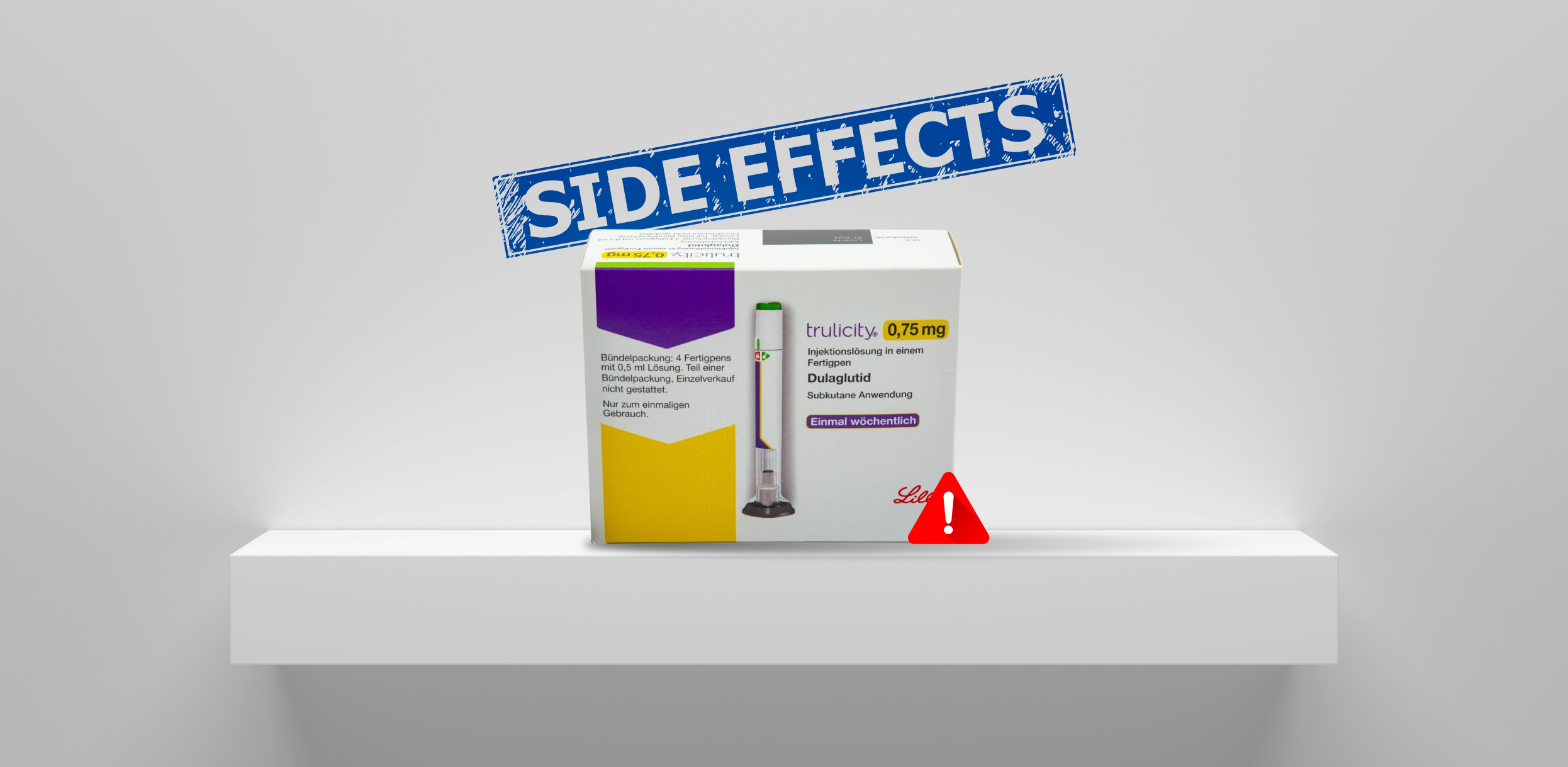
Trulicity (dulaglutide) is a prescription medication used to lower blood glucose and reduce the risk of major cardiovascular events. Like many drugs, Trulicity can produce side effects that vary from mild to severe. Examples of possible reactions include stomach pain and pancreatitis.
Specifically, Trulicity is prescribed to:
- help lower blood sugar in adults and some adolescents with type 2 diabetes, in addition to diet and exercise changes
- reduce the chance of serious heart and blood vessel events, such as heart attack and stroke, in adults with type 2 diabetes who have or are at risk for cardiovascular disease
The active component of Trulicity is dulaglutide. (An active component is what gives a medication its therapeutic effect.) The medication is supplied as a liquid inside prefilled, single-use pens and is administered as a subcutaneous injection.
Trulicity is classified as a biologic therapy, meaning it’s derived from living organisms.
Keep reading for details on common, mild, and serious adverse effects that have been reported with Trulicity. For an overall summary of the medication and its uses, see the linked overview.
What are the more common side effects of Trulicity?
People taking Trulicity may notice mild or, less commonly, more serious adverse effects. Some of the commonly reported side effects include:
- gastrointestinal issues*
- abdominal discomfort
- reduced appetite
- tiredness (low energy)
Continue reading for additional details about these common reactions and other effects that may occur with Trulicity.
* For further information about this effect, see the “Side effects explained” section below.
What are the mild side effects of Trulicity?
Trulicity can cause mild adverse effects. Examples of milder side effects reported with this medication include:
- gastrointestinal issues*
- abdominal pain or upset stomach
- reduced appetite
- tiredness (low energy)
- constipation
- reaction at the injection site, such as a rash*
* See the “Side effects explained” section below for more about this effect.
Generally, these reactions are temporary and often manageable. If any symptoms persist or trouble you, contact your doctor or pharmacist. Do not discontinue Trulicity without your doctor’s guidance.
Trulicity may produce mild effects beyond those listed here. For more details, consult the Trulicity medication guide.
Note: After FDA approval, side effects continue to be monitored. To report a reaction to the FDA, visit MedWatch.
Optum Now is operated by RVO Health. By clicking on this link, we may receive a commission. Learn more.
What are the serious side effects of Trulicity?
Although uncommon, Trulicity can cause serious adverse effects. Reported severe side effects include:
- thyroid cancer*†
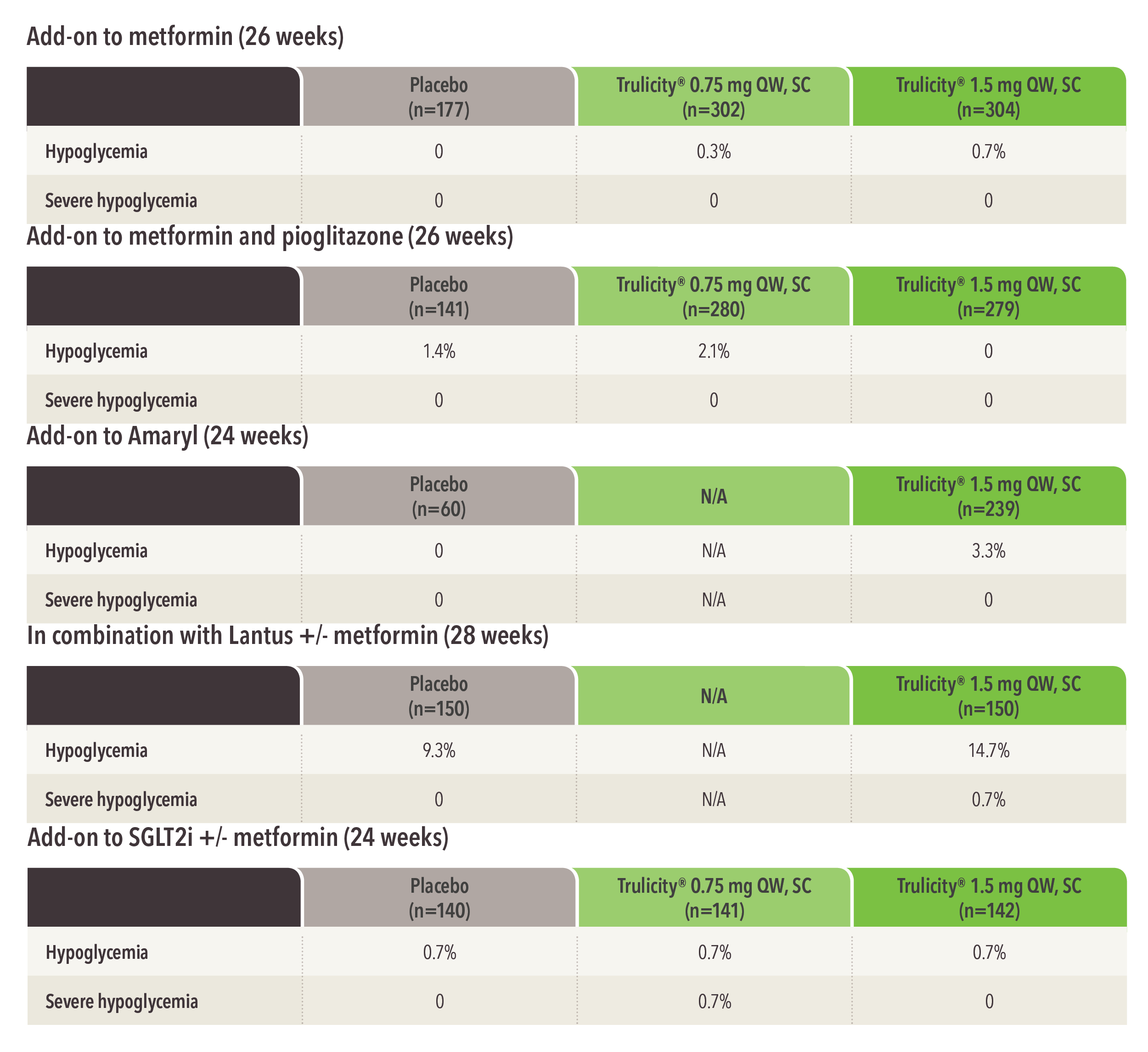
- hypoglycemia (low blood sugar)
- kidney injury
- acute gallbladder disease, such as cholecystitis and gallstones
- pancreatitis (inflammation of the pancreas)†
- allergic reaction* ‡
- significant gastrointestinal disorders, such as gastroparesis (delayed stomach emptying)
If you experience serious effects while on Trulicity, contact your healthcare provider immediately. If symptoms appear life-threatening or you believe you’re having a medical emergency, call 911 or your local emergency number at once.
* For more information on these effects, see the “Side effects explained” section below. † Trulicity carries a boxed warning for this effect — the FDA’s most serious caution. See “Side effects explained” for details. ‡ Although allergic reactions are possible, they were not observed during clinical trials; reports have occurred postmarketing, but frequency and causality aren’t clear.
FAQ about Trulicity’s side effects
Below are answers to common questions about side effects linked to Trulicity.
Is there an online forum for Trulicity where I can learn about side effects?
Eli Lilly, the maker of Trulicity, does not maintain a public forum for discussing side effects. While third-party discussion boards may exist, the most reliable way to get accurate information is from your doctor or pharmacist, since forum posts may be inaccurate.
Trulicity does offer a support program you can enroll in, which may provide resources including information about adverse effects or tips for use.
If you have specific concerns about Trulicity’s side effects, consult your healthcare provider or pharmacist.
Does Trulicity cause weight gain?
No, Trulicity is not associated with weight gain. Clinical trials did not show weight gain as a side effect.
In fact, Trulicity can reduce appetite and may lead to weight loss.
If you notice unexpected weight gain while taking Trulicity, discuss it with your doctor so they can investigate the cause and advise next steps.
Will I experience hair loss during my Trulicity treatment?
No, hair loss is not a side effect observed with Trulicity in studies.
That said, hair thinning can be more common among people with diabetes for several reasons.
Potential causes include damage to small blood vessels that supply hair follicles, depriving them of nutrients, or the general stress of living with chronic disease.
If you notice hair loss while using Trulicity, speak with your doctor to identify the underlying cause and discuss treatment options.
Does Trulicity cause headache or dizziness?
Trulicity itself is not known to directly cause headache or dizziness.
However, because Trulicity can affect blood glucose, it may contribute to hypoglycemia (low blood sugar), and headache or dizziness can be symptoms of low blood sugar. Other signs include:
- sweating
- confusion
- blurred vision
- rapid heartbeat or feeling jittery
- anxiety
Hypoglycemia can be dangerous and may cause fainting. Your risk is higher if Trulicity is used together with other glucose-lowering medications.
Before starting Trulicity, your provider will explain hypoglycemia symptoms and how to treat them. They may suggest always carrying a sugary snack or glucose tablets.
If you have headache or dizziness while on Trulicity, contact your doctor. They may adjust your Trulicity dose or your other diabetes medicines to reduce hypoglycemia risk.
How do the side effects of Trulicity and Ozempic compare?
Both Trulicity and Ozempic are injectable therapies for certain people with type 2 diabetes and share some overlapping side effects, as well as differences.
Common adverse effects of both include:
- nausea and vomiting
- diarrhea
- abdominal pain
Trulicity may also cause fatigue and decreased appetite. Ozempic more commonly causes constipation, though constipation can occur with either drug.
Serious adverse events for both medications are similar and may include:
- thyroid cancer*
- pancreatitis (pancreas inflammation)†
- allergic reactions
- kidney complications
Additionally, Trulicity may lead to severe digestive disorders like gastroparesis.
If you have questions about the side effects of either Trulicity or Ozempic, consult your clinician or pharmacist. For a deeper comparison, see the linked detailed article.
* Both Trulicity and Ozempic carry a boxed warning for this effect — the FDA’s most serious caution. See the “Side effects explained” section for more about Trulicity’s boxed warning.
When do side effects from Trulicity typically start, and when do they go away?
Timing varies. Side effects from Trulicity differ among individuals and may persist longer in some people.
For instance, injection-site reactions (rash, redness, swelling, or discoloration where the injection was given) may appear immediately after injection or develop later. These reactions often resolve within a few days but can recur with each dose.
Nausea may begin within a few days after starting the medication or after dose increases. For most people, nausea improves after about 2 weeks of treatment.
If you’re worried about how long a side effect lasts, ask your doctor or pharmacist for guidance on prevention and treatment strategies.
Side effects explained
More detail about some specific side effects that Trulicity may cause.
Injection-site reactions (such as a rash)
Some people experience injection-site reactions while taking Trulicity, although this is not a frequently reported effect. Reactions may include rash, redness, discoloration, or swelling where the medication was injected.
What might help
To lower the chance of injection-site reactions, rotate injection locations with each Trulicity dose.
If you develop a reaction at the injection site, discuss treatment options with your doctor or pharmacist. They may suggest warm or cold compresses to reduce swelling or discoloration, or in some cases an anti-inflammatory like ibuprofen to lessen swelling.
Pancreatitis
Pancreatitis (inflammation of the pancreas) is an uncommon but serious potential reaction to Trulicity. Symptoms may include:
- severe abdominal pain
- back pain
- vomiting
What might help
Your provider will review your medical history before prescribing Trulicity. Inform them if you have a history of pancreatitis, as this increases your risk of recurrence; they may recommend an alternative treatment.
If you develop signs of pancreatitis while on Trulicity, stop the medication and seek medical attention immediately. If pancreatitis is confirmed, your doctor will treat it and select a different diabetes therapy. Do not restart Trulicity after pancreatitis is diagnosed.
Thyroid cancer
Trulicity carries a boxed warning for a potential increased risk of thyroid cancer. A boxed warning is the FDA’s most prominent caution to prescribers and patients.
Animal studies have shown a higher incidence of thyroid tumors with Trulicity. It’s not yet established whether this risk applies to humans.
Be alert for symptoms suggestive of thyroid cancer, such as:
- a lump or swelling in the neck
- difficulty swallowing
- trouble breathing
What might help
Your doctor will review your personal and family history for thyroid cancer before starting Trulicity. You should not use Trulicity if:
- you or a family member has medullary thyroid carcinoma
- you have multiple endocrine neoplasia syndrome type 2
Because of animal data, using Trulicity with these risk factors could potentially raise thyroid cancer risk. More research is needed to determine whether the same risk exists in people.
During treatment, notify your provider immediately if you notice any signs of thyroid cancer. Your doctor may examine your neck and perform blood tests periodically while you’re on the medication.
If you’re concerned about thyroid cancer risk when using Trulicity, discuss it with your doctor or pharmacist.
Digestive problems
Gastrointestinal issues are a common effect of Trulicity. These may include:
- nausea and vomiting
- diarrhea
- abdominal pain or upset stomach
Higher doses of Trulicity may increase the likelihood of digestive side effects. In studies, more participants taking the 1.5 mg dose reported gastrointestinal symptoms than those on the 0.75 mg dose.
What might help
If you have digestive side effects on Trulicity, talk with your doctor or pharmacist. They may recommend treatments to relieve symptoms or adjust your dosing.
Allergic reaction
As with many medications, Trulicity can cause allergic reactions in some individuals. Reactions can range from mild to severe.
Symptoms may include:
- skin rash
- itching
- flushing (temporary warmth, redness, or deepening of skin color)
- swelling under the skin, often in the eyelids, lips, hands, or feet
- swelling of the mouth, tongue, or throat, which may impair breathing
What might help
If you develop mild allergic signs, such as a minor rash, contact your doctor. They might suggest an over-the-counter oral antihistamine like diphenhydramine (Benadryl) or a topical treatment such as hydrocortisone cream.
If a mild allergic reaction is confirmed, your doctor will determine whether you should continue Trulicity.
If you experience severe allergic symptoms—such as swelling that makes it hard to breathe—call 911 or your local emergency number immediately. Severe reactions can be life-threatening and require urgent care.
If a serious allergic reaction to Trulicity is diagnosed, your provider will likely switch you to an alternative therapy.
Keeping track of side effectsConsider documenting any side effects you experience while taking Trulicity so you can share them with your doctor. This is particularly useful when starting a new medication or combining treatments.
Your notes might include: the dose you were taking when the side effect occurred; how soon after starting that dose the effect began; the exact symptoms; how the effect impacted daily life; other medications you were taking; and any other relevant details. Recording and discussing these observations will help your clinician tailor your treatment.
Warnings for Trulicity
Trulicity carries several important warnings.
Boxed warning: Risk of thyroid cancer
Trulicity includes a boxed warning about the potential risk of thyroid cancer — the FDA’s strongest safety alert.
If you have a personal or family history of thyroid cancer, your doctor will likely choose a different treatment for your type 2 diabetes. Otherwise, your provider will monitor you for signs of thyroid cancer during Trulicity therapy.
See the “Side effects explained” section above for more information.
Other warnings
Trulicity may not be suitable if you have certain medical histories or conditions. Discuss your full medical background with your provider before starting Trulicity. Consider the following factors.
Pancreatitis: Trulicity may precipitate pancreatitis. A prior history of pancreatitis increases your risk of recurrence; tell your doctor if you’ve had pancreatitis, as they may choose another therapy.
Allergic reaction: If you’ve had an allergic reaction to Trulicity or any of its components, you should not take Trulicity. Ask your clinician about safer alternatives.
Kidney problems: If you have preexisting kidney disease, Trulicity could worsen kidney function. Your doctor will monitor kidney function via blood tests during treatment and may switch therapies if kidney function deteriorates.
Digestive disorders: Inform your doctor if you have gastrointestinal conditions such as gastroparesis. Trulicity may exacerbate these problems. In some serious digestive disorders, Trulicity is not recommended.
Liver disease: It’s unclear how liver impairment affects Trulicity’s action. Tell your provider about any liver conditions so they can monitor you appropriately.
Diabetic retinopathy: If you have a history of eye disease, including diabetic retinopathy, inform your doctor before starting Trulicity. The medication may worsen diabetic retinopathy, so eye monitoring may be recommended.
History of gallbladder disease: If you’ve had gallbladder problems, discuss this with your doctor before beginning Trulicity, as the drug may trigger new or worsening gallbladder issues. Your provider may monitor gallbladder health closely during treatment.
Alcohol and Trulicity
Trulicity does not have a direct interaction with alcohol. However, alcohol can negatively affect type 2 diabetes because alcoholic beverages sometimes contain large amounts of sugar.
If you drink alcohol, talk to your doctor about safe limits while on your diabetes treatment plan.
Pregnancy and breastfeeding while taking Trulicity
Pregnancy: More research is needed to determine Trulicity’s safety in pregnancy. It’s not currently established whether Trulicity is safe to use during pregnancy.
Animal data indicate potential harm to a fetus, but animal results don’t always predict human outcomes.
If you are pregnant or planning pregnancy, discuss the best diabetes treatment options with your provider. If Trulicity is recommended, your doctor may increase monitoring during pregnancy.
Breastfeeding: It’s unknown whether Trulicity is safe while nursing or if it is expelled into breast milk. If you are breastfeeding or planning to, talk with your doctor before starting Trulicity.
What to ask your doctor
Like other medications, Trulicity can cause a range of side effects from mild to serious, though many are short-lived and resolve within days to weeks.
Questions you may wish to ask include:
- Will I lose weight while using Trulicity?
- Does combining Trulicity with other diabetes medicines increase my risk of side effects?
- Do my other medical conditions raise my risk for certain side effects?
- If I become pregnant while taking Trulicity, should I stop treatment?
For more information about Trulicity, see these related articles:
- All About Trulicity Injection
- Ozempic vs. Trulicity: What You Should Know
- Trulicity Dosage: What You Need to Know
- Trulicity and Cost: What You Need to Know
- Trulicity vs. Victoza: What You Should Know
To get updates on conditions and health tips, subscribe to HealthEH’s newsletters. You may also explore online support communities like Bezzy for peer support.
Ask a pharmacist
Q:
My doctor recommended I take both metformin and Trulicity for type 2 diabetes, but both may cause GI side effects. How can I prevent or manage these?
A:
Both metformin and Trulicity can cause gastrointestinal symptoms, such as nausea or diarrhea.
Your risk with metformin may be lower if you use the extended-release (ER) formulation, which releases medication slowly. Taking metformin with food can also reduce GI side effects.
Higher doses of either medication increase the chance of digestive side effects. Your doctor may begin treatment at a low dose and gradually increase it to reduce symptoms.
If you experience GI problems while taking both Trulicity and metformin, consult your doctor or pharmacist. They may suggest symptom-relief medications, dosing adjustments, or switching one medication for another.
Disclaimer: HealthEH has worked to ensure that the information provided is accurate and current. However, this article does not replace the advice of a licensed healthcare professional. Always consult your doctor or another qualified clinician before taking any medication. Drug information may change and does not cover all possible uses, directions, precautions, warnings, interactions, allergic reactions, or adverse effects. The absence of specific warnings does not imply that a drug or drug combination is safe, effective, or appropriate for all patients or all uses.





















Leave a Reply
You must be logged in to post a comment.