

A Warm compress for blocked eye glands and dry eyes can ease discomfort and improve how your eyes feel, though it may not completely resolve the underlying cause. For many people dealing with irritated, gritty, or tired eyes, this simple home remedy offers meaningful symptom relief when used correctly and consistently.

When dry eye develops and your tears no longer lubricate the surface of your eyes effectively, everyday activities like reading, working on a screen, or driving can become uncomfortable. Symptoms may include irritation, itching, redness, swelling, or a burning sensation that interferes with your routine.
One accessible approach to calming these symptoms is applying a warm compress, whether store-bought or homemade. A Warm compress for blocked eye glands works by targeting the meibomian glands in your eyelids, which play a vital role in maintaining a stable tear film and preventing tear evaporation.
How does a warm compress help dry eye syndrome?
A warm compress helps reduce dry eye symptoms by:
- loosening or unclogging oil glands that produce meibum, a fatty compound that coats the healthy tear film to delay evaporation
- bringing moisture from steam and liquid to the eyeball and eye area to help you produce tears
- reducing eye twitching from muscle spasms that result from extremely dry eyes
- relieving pain and reducing swelling by increasing blood flow to the eyes and surrounding tissues, especially if you have blood vessel issues that affect tear production
The warming effect gently softens thickened meibum trapped in blocked glands, allowing it to flow more freely across the eye’s surface. This is especially helpful for people with meibomian gland dysfunction (MGD), a common contributor to evaporative dry eye. In addition to improving oil flow, the moist heat supports better eyelid hygiene and can complement artificial tears or other treatments recommended by an eye care professional.
If you’re considering routine use, it’s also important to understand the Benefits of warm compress on eyes as well as potential precautions. While generally safe, proper technique and timing matter to avoid irritation.
How do you recognize dry eye?
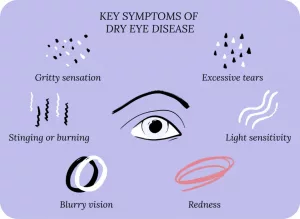
Some common symptoms you might notice if you’re experiencing dry eye include:
- dryness, itchiness, or pain in one or both eyes
- eye redness
- extra mucus around your eyes
- a sensation of having something in your eyes
- sensitivity to light
- a sensation of tiredness in your eyes
- blurry vision
Dry eye syndrome has multiple potential causes — ranging from environmental factors like wind, smoke, and dry indoor air to aging and medical conditions that interfere with tear production. Hormonal changes, prolonged screen use, contact lens wear, and certain medications can also disrupt the tear film. Identifying contributing factors can help you and your healthcare provider choose the most appropriate treatment plan.
Are warm or cold compresses better?
Warm compresses are usually effective for dry eyes.
Heat dilates blood vessels and boosts circulation, which may ease eye discomfort and reduce swelling. The combination of warmth and moisture also helps relax and open clogged oil glands along the eyelid margins.
This helps increase your production of meibum, a fatty compound that helps your tears lubricate your eyes more effectively.
A small 2021 study also suggested that warmth helps stimulate meibum production in people with meibomian gland dysfunction (MGD), which results from inflammation or damage in the eyelids and eye tissues. It can cause recurring dry eyes that also increase the risk of further inflammation or damage.
In contrast, cold compresses are effective for acute eye pain or injuries by reducing swelling and decreasing blood flow to cuts.
However, cold compresses can have other effects, including reducing oil and tear production and contributing to dry eye symptoms. For individuals primarily dealing with blocked glands and evaporative dry eye, a Warm compress for blocked eye glands is generally more appropriate than cold therapy.
Even so, overuse or excessive heat can lead to skin sensitivity. Reviewing the Side effects of warm compress on eyes can help you apply this method safely and effectively.
How to make a warm compress for dry eyes
Here’s what you’ll need to make a warm compress at home:
- a clean bowl or container to hold warm water
- one to two clean washcloths or small towels
- a plastic bag that you can zip or seal shut
- a microwave
- 5 to 10 minutes of time to close your eyes
- resoak as often as needed to maintain heat for 5 to 10 minutes each time
Now, here’s one way to quickly make a warm compress:
- Fill the bowl or container with warm water that’s not too hot to the touch.
- Dip the washcloth or towel into the warm water until it’s soaked through.
- Lift the washcloth out of the water and wring out excess water.
- Fold the washcloth in half or until it’s a size that will cover both eyes.
Depending on your materials, you can also try this method:
- Moisten the washcloths or towels using cold water.
- Put one of the washcloths in the plastic bag, but don’t seal the bag yet.
- Put the washcloth and bag into the microwave for about 2 minutes.
- Take the washcloth out of the microwave and seal it immediately. Be careful not to burn or scald yourself.
- Wrap the second moist washcloth around the sealed bag.
- An alternative to water may be to place hot potato or rice in the wash cloth so that it stays hot for longer.
Whichever method you choose, always check the temperature before placing it on your eyelids. The goal is gentle, sustained warmth — not intense heat.
How to use a warm compress for dry eyes
Here’s how to use your warm compress:
- Sit back or lie down so that the washcloth will stay in place.
- Close your eyes.
- Lay the washcloth over both eyes so that you cover the entire area around each eye.
- Let the washcloth sit on your eyes for 10 minutes or until it’s not warm anymore.
After removing the compress, some eye care specialists recommend gently massaging the eyelids with clean fingers to encourage further expression of meibum from the glands. This step may enhance the effectiveness of a Warm compress for blocked eye glands, particularly in cases of MGD.

Tips for using a warm compress
- Use clean washcloths or towels that you do not use for other purposes, such as dusting or cleaning with chemicals.
- Don’t use water that’s boiling or too hot.
- Before applying, place the warm compress on the underside of your forearm to confirm that it’s not too hot.
- Use a new cloth and fresh, clean water each time you make a compress.
- Don’t leave the cloth on your eyes for more than 10 minutes at a time.
How often can you use warm compresses for dry eye?
It’s safe to use a warm compress multiple times daily to manage dry eye and ease symptoms.
However, applying a warm compress too often may dry out the delicate skin around your eyes or trigger irritation. For most people, using a warm compress as needed — typically 2 to 3 times daily — provides sufficient relief without unwanted effects. Your eye care provider may suggest a specific schedule if you have chronic dry eye or meibomian gland dysfunction.
When to seek medical attentionContact a doctor if warm compresses do not help you relieve dry eyes or if you notice any of the following:symptoms getting worse or not improving persistent burning or stinging even when using home remedies blurry vision even if you wear glasses eyes feeling dry even after using eye drops severe eye dryness that interferes with daily activities headaches or migraine episodes that happen along with dry eyes
The takeaway
A Warm compress for blocked eye glands can reduce discomfort associated with dry eyes by improving oil gland function and supporting a healthier tear film. It’s simple to prepare at home, cost-effective, and suitable for regular use when done safely.
Seek medical evaluation if warm compresses or other home strategies fail to improve your symptoms, or if you develop additional concerns alongside persistent dry eye. A tailored treatment plan — which may include prescription therapies, eyelid hygiene measures, or in-office procedures — can help protect your long-term eye health.




















Leave a Reply
You must be logged in to post a comment.