
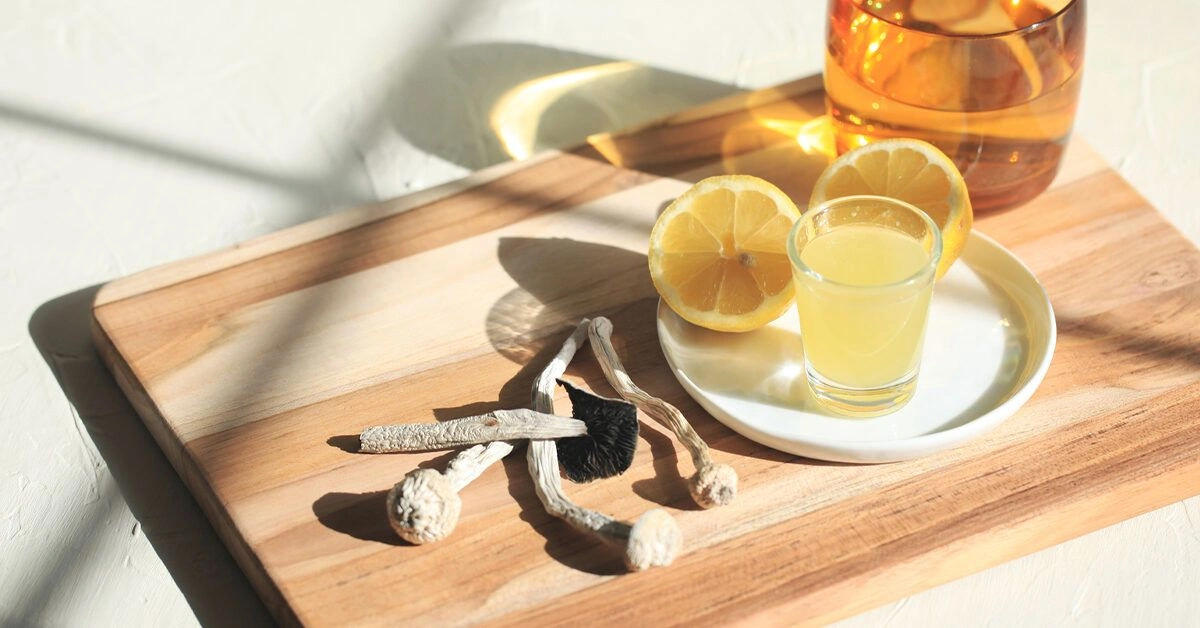
“Shrooms,” often called magic mushrooms, can trigger euphoric sensations and might offer relief for certain mental health concerns. Yet they carry risks, and in the United States their legal use is limited to only a handful of cities.
Archaeological records indicate that people have used magic mushrooms for spiritual and healing purposes for millennia.
In parts of Central America, Aztec and Mazatec peoples regarded these fungi as sacred and employed them in coronations and other major ceremonies up through the 1500s.
Although many religious institutions and governments discouraged and outlawed their use—especially after European colonization—these fungi continued to be cultivated and used privately across the globe. By the 1960s, mushroom use became linked with psychedelic culture and youth counterculture movements.
Today, individuals use shrooms for a variety of reasons. Contemporary scientific research is exploring their potential as treatments for some psychiatric and behavioral conditions. As evidence accumulates, advocates are pushing to relax long-standing legal restrictions on mushroom possession in parts of the U.S.
What exactly are “shrooms”?
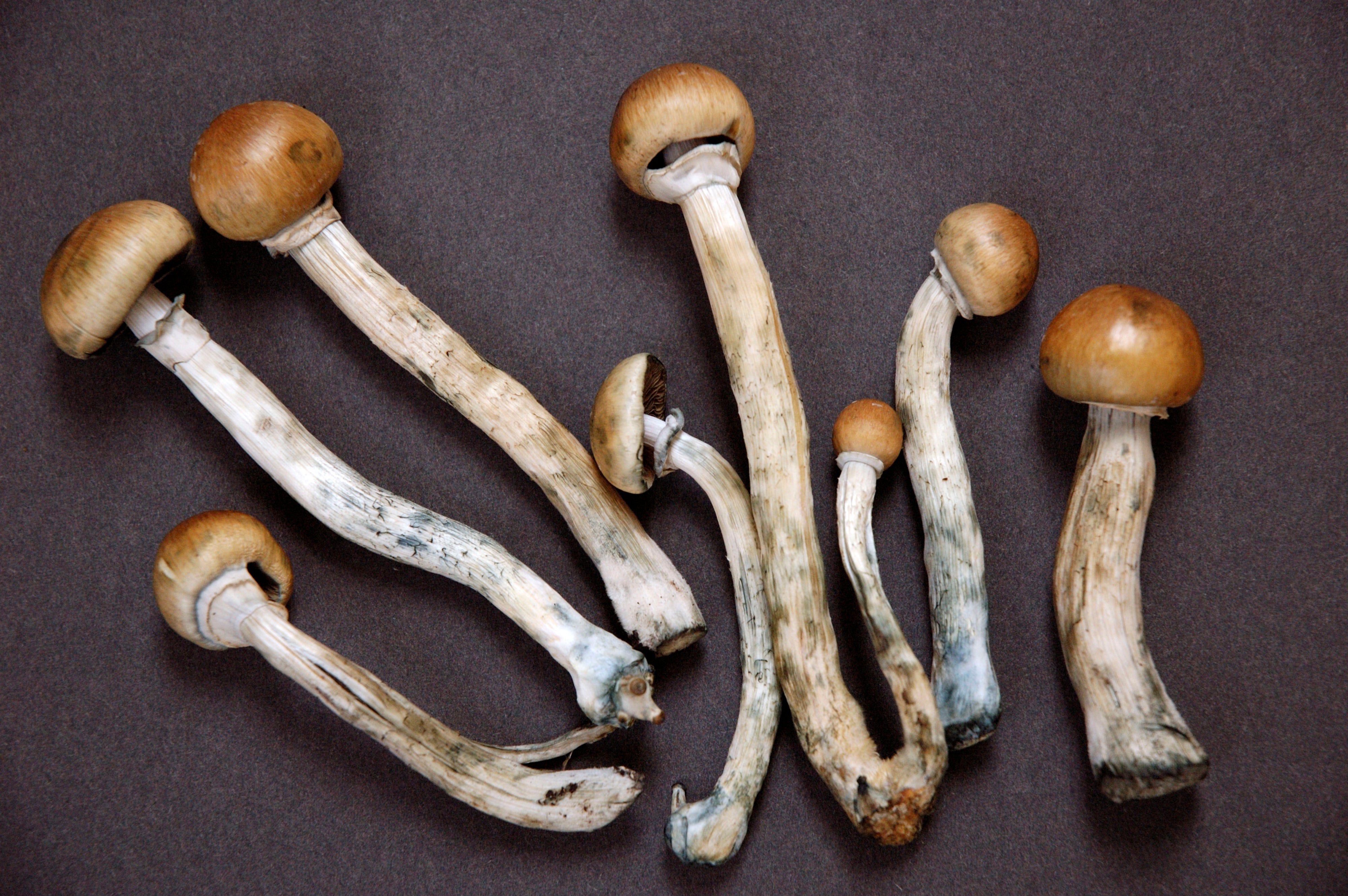
Shrooms are mushrooms that include hallucinogenic compounds such as psilocin or psilocybin. Also referred to as magic mushrooms, taking them can lead to hallucinations and alter a person’s thoughts and emotions.
Shrooms can be used in several ways, for example:
- eating dried mushrooms
- using powdered mushrooms injected (note: injection is dangerous and not a recommended route)
- brewing mushrooms into tea
- cooking with dried or powdered mushrooms
- mixing powdered mushroom into juices or other drinks
- swallowing capsules filled with mushroom powder
How do you say “Psilocybin”?
Psilocybin is not a word most people encounter daily. Even when discussing psilocybin mushrooms, many simply say shrooms or magic mushrooms. If you’ve never heard the term spoken, it’s useful to know the pronunciation.
Psilocybin is pronounced: sil-uh-sahy-bin
What effects do psilocybin mushrooms produce?
Effects usually begin within about 30 minutes and can persist roughly 3 to 6 hours. Individual responses vary widely. Your experience will depend on factors such as:
- your age
- your weight
- the dose consumed
- how recently you ate
- the setting
- your expectations
- previous experience with drugs
- your personality
Common effects may include:
Unpleasant physical symptoms can also occur, such as:
Are psilocybin mushrooms legal?
In the United States, psilocybin mushrooms are classified as a Schedule I substance. That means possession, distribution, or sale is illegal and carries significant legal penalties.
However, efforts to change these laws are underway. In a small number of cities, possession of psilocybin mushrooms has been decriminalized. In those places, residents aren’t prosecuted for possessing psilocybin mushrooms up to a specified amount. These cities include:
- Ann Arbor, Michigan
- Denver, Colorado
- Oakland, California
- Seattle, Washington
As research into possible therapeutic benefits grows, additional localities and states may consider similar legal changes.
What potential health benefits have been observed?
Studies have suggested that psilocybin may be useful in treating several psychiatric and behavioral disorders, such as:
- depression
- obsessive-compulsive disorder
- alcohol use disorder
- cocaine dependence
- psychological distress at the end of life related to terminal illness
Research also indicates psilocybin might help people stop smoking and could be a potential therapy for cluster headaches.
Nevertheless, none of these uses have received approval from the U.S. Food and Drug Administration. The promising findings are based on studies that have yet to be widely replicated; larger-scale data are needed to establish psilocybin as a dependable treatment option.
Want to participate in research?
Although humans have used these fungi for thousands of years, many questions remain. If you’re interested in helping researchers study psilocybin’s effects on mind and body, you may be eligible for a clinical trial. Visit ClinicalTrials.gov to see current trials recruiting participants.
Always consult your healthcare provider before enrolling in a clinical study, especially if it might interact with ongoing treatments.
What risks come with psilocybin mushroom use?
The primary danger is misidentification: psilocybin mushrooms resemble some poisonous species. It’s easy to confuse a toxic mushroom for a psilocybin one. Rely on trusted guides or reputable growers to ensure accurate identification.
Consuming a particularly strong or large batch can cause serious adverse effects, which may include:
- vomiting
- extreme agitation
- muscle weakness
- diarrhea
- seizures
- coma
At times, shrooms can trigger fear, paranoia, or other negative psychological reactions—commonly described as a “bad trip.” Symptoms of a bad trip include:
- anxiety
- paranoia
- panic
- fear
- intense or distressing hallucinations
- recurring flashbacks of past mushroom experiences
Can these risks be minimized?
The most effective way to lower the chance of adverse effects is cautious use. Managing the dose and choosing a safe setting can substantially influence the outcome.
To decrease the likelihood of a bad trip, consider:
- verifying that the mushrooms are truly psilocybin
- knowing the intended dose
- avoiding mixing mushrooms with other substances
- not using on days when you feel stressed, anxious, or upset
- being with trusted companions
- being in a peaceful, comfortable environment
If you aren’t completely certain the mushrooms are psilocybin, don’t consume them.
How to identify psilocybin mushrooms
Numerous toxic mushrooms closely resemble psilocybin species, and even experienced foragers can err. Trying to identify psilocybin mushrooms on your own can be hazardous—poisonous varieties can cause severe illness or death.
If you already possess mushrooms and want to check them, these identifying traits may help:
- Psilocybin mushrooms typically have long, thin stems.
- The cap is often wide, darker brown around the rim and lighter toward the center.
- The underside of the cap usually has dark brown gills.
- The cap’s edge can be wavy, flat, or pointed.
However, it is unsafe to eat a mushroom solely because it appears to have these features. Toxic mushrooms can share identical visual characteristics. Making a judgment based only on appearance—especially without experience—is risky.

Many people choose to consult an expert or cultivate their own mushrooms to reduce risk. Even so, unless you live in one of the four U.S. cities noted earlier, possessing psilocybin mushrooms remains illegal.
Takeaway
“Shrooms,” or psilocybin mushrooms, are fungi containing the psychoactive compound psilocybin, which causes hallucinations and other changes in perception and mood.
Some studies suggest psilocybin might help treat certain psychiatric and behavioral disorders, but more research is needed and these treatments are not FDA-approved.
At present, in most of the United States, psilocybin mushrooms remain illegal for both therapeutic and recreational use.















Leave a Reply
You must be logged in to post a comment.