
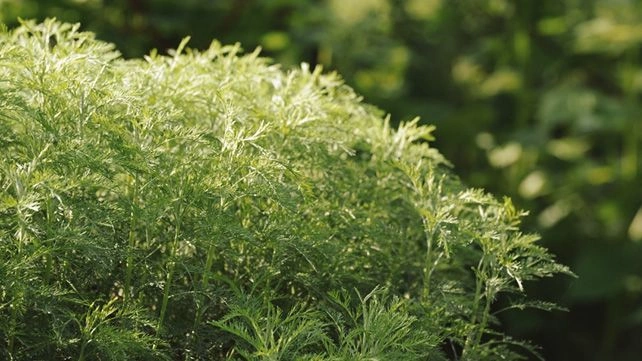
Sweet Annie (Artemisia annua) is a herbaceous plant bearing tiny yellow blooms. It contains flavonoids, essential oils, and artemisinin — a compound that may provide health advantages.
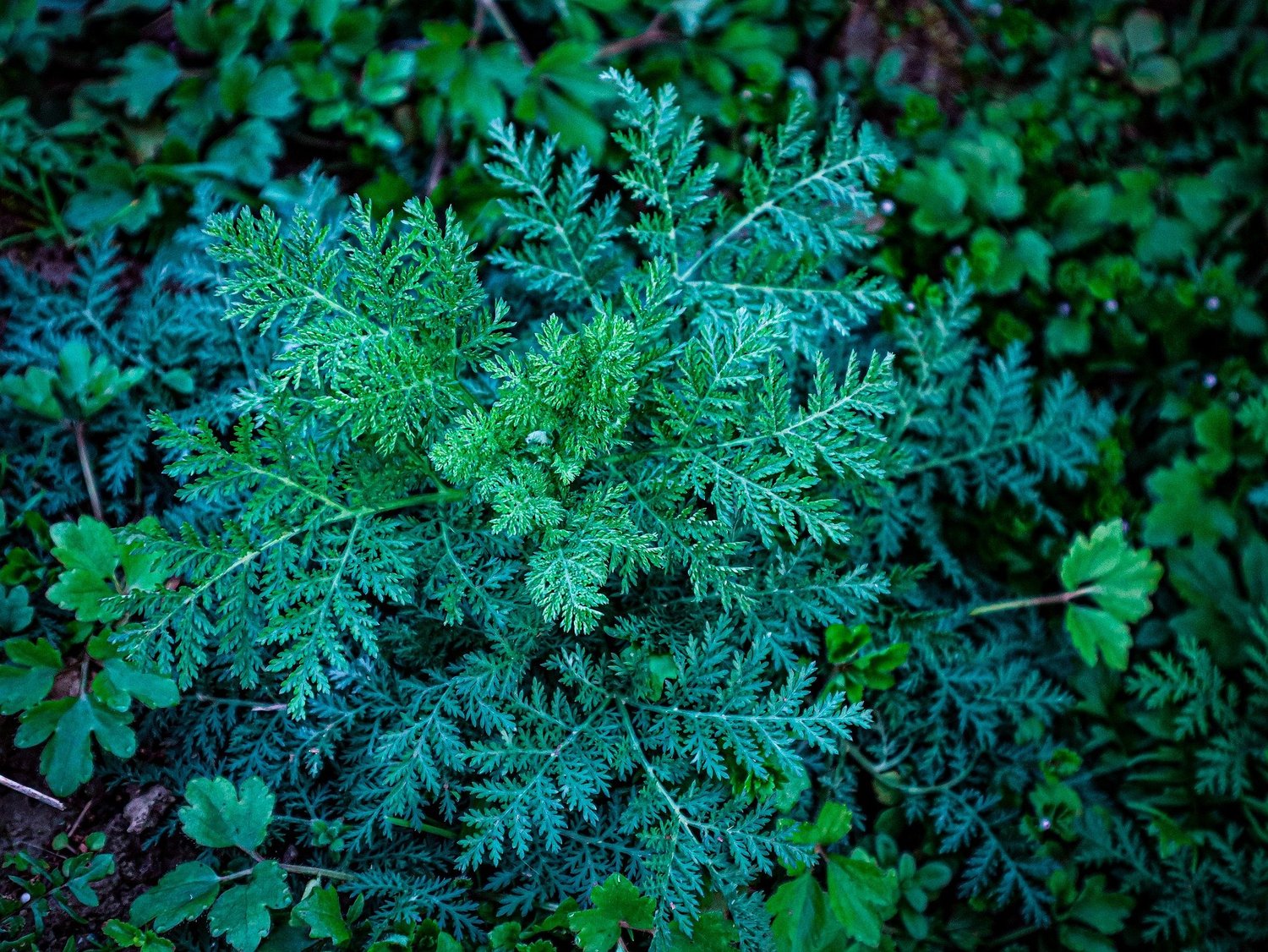
Also called sweet wormwood or qinghao, this species originates from China and has a long history in traditional Chinese medical practice.
Keep reading to explore the potential health effects of sweet Annie, including whether it can be used to treat malaria.
Can sweet Annie treat malaria?
Malaria is a potentially fatal disease caused by parasites transmitted through mosquito bites. Research has shown that artemisinin-based products can kill these parasites.
The World Health Organization (WHO) states that the standard antimalarial therapies are artemisinin-based combination therapies (ACTs). These treatments use purified artemisinin compounds extracted from Artemisia annua plants.
However, the WHO also cautions against using whole Artemisia plant material or other nonpharmaceutical forms to prevent or treat malaria. There is no evidence that herbal preparations of sweet Annie effectively treat malaria.
Can sweet Annie treat cancer?
Further investigation is needed to determine whether sweet Annie is a useful cancer therapy.
A 2022 review indicates that artemisinins are generally safe and tolerable when used in medications. The paper proposes that existing artemisinin-containing drugs might be repurposed for certain cancers, but clinical trials are required to verify this possibility.
Some trials with artesunate, a semisynthetic artemisinin derivative, have demonstrated tolerability in patients with advanced cancer, though other studies did not show a therapeutic response.
Additional research is necessary to confirm the potential benefits and tolerability of sweet Annie and artemisinin compounds in cancer patients.
Read more about artemisinin for cancer treatment.
What other conditions might sweet Annie help?
A 2020 review describes possible properties of sweet Annie, including:
- anti-inflammatory
- antioxidant
- antiviral
- antimicrobial
- antiplasmodial
- antitumor
Although current studies are limited, this review suggests sweet Annie could be helpful for a range of conditions.
Some clinicians suggest sweet Annie may help reduce fever and swelling.
There are anecdotal reports proposing an extract of sweet Annie might assist in managing COVID-19, but robust evidence is lacking at present.
Informally, some people claim sweet Annie can be useful for:
- hemorrhoids
- constipation
- indigestion
- diarrhea
- joint discomfort
- common colds
- boils
However, scientific support for these uses is currently absent.
Always consult your healthcare provider before using sweet Annie. It may not be safe for everyone; for instance, individuals with ulcers or gastrointestinal disorders could be at risk.
The bottom line
Sweet Annie contains artemisinin, the active ingredient in certain antimalarial medications. Some evidence suggests it might have potential in treating certain cancers, but more rigorous research is needed.
Because sweet Annie exhibits anti-inflammatory, antioxidant, and antimicrobial actions, it may have broader therapeutic applications, though studies remain limited.
Talk with your doctor before adding sweet Annie to your regimen so they can advise on its potential benefits and safety given your personal health situation.



















Leave a Reply
You must be logged in to post a comment.