How Long Does It Take to Recover from Wisdom Teeth Removal Surgery?


- What is the timeline for recovering from wisdom tooth removal?
- Day 1
- Days 2–4
- Days 5–14
- What are the possible complications of wisdom removal surgery?
- What self-care and home remedies can you do to help recover from wisdom tooth removal?
- Activity
- Oral hygiene
- How can you manage pain after wisdom tooth removal?
- What can you eat and drink after wisdom tooth removal?
- Frequently asked questions
- How many days should I take off for wisdom teeth recovery?
- Is 3 days enough to recover from wisdom teeth removal?
- What day is wisdom tooth pain the worst?
- Takeaway
The amount of time needed to heal after a wisdom tooth extraction varies based on factors such as your age, overall health, and whether any of the teeth were impacted. In most cases, recovery ranges from 3 days to 2 weeks.
If you’re wondering, When does anesthesia wear off after tooth extraction, the answer depends on the type of anesthetic used and your individual response. Local anesthetic typically fades within a few hours, while sedation may take longer to fully clear from your system. For a more detailed explanation, you can read How long does it take for dental anesthesia to wear off. Understanding this timeline can help you prepare for the first day of recovery and manage discomfort safely.
Wisdom teeth, also called third molars, are the final adult teeth to erupt in your mouth. They appear in the upper and lower jaws on both sides, usually between the ages of 17 and 25 .
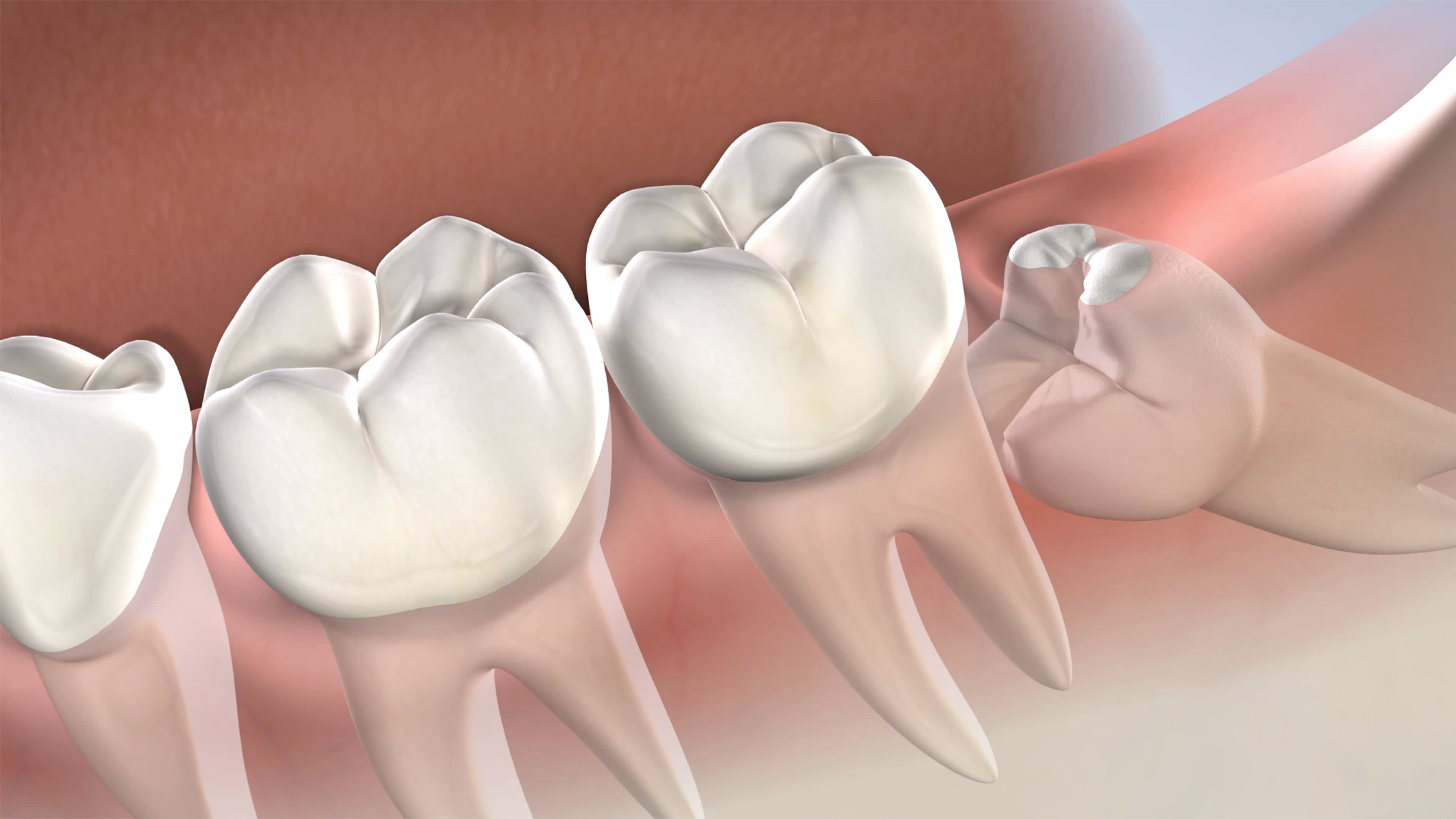
Close to 5 million wisdom tooth extractions are performed every year in the United States. About half of these procedures involve removing all four third molars.
Although this surgery is routine, your healing time can differ depending on:
- the number of teeth removed
- your age
- whether a tooth was impacted, meaning it hasn’t fully emerged from the gums or is not visible
- whether any complications occurred during the procedure
Below, you’ll find a detailed breakdown of what to expect during the first two weeks after wisdom tooth removal, including pain progression, swelling, and activity guidelines.
What is the timeline for recovering from wisdom tooth removal?
Day 1
Wisdom tooth extraction is generally an outpatient procedure and often takes about 1 hour to complete.

Your oral surgeon will administer local anesthetic to numb the area. In some cases, general anesthetic or sedation (nitrous or IV sedation) may be used , especially if you feel anxious. After the procedure, sensation slowly returns to your mouth as the anesthetic wears off. Many patients specifically ask, “When does anesthesia wear off after tooth extraction?”—most people notice feeling returning within a few hours, though mild numbness can persist a bit longer.

Typical symptoms during the first 24 hours include:
- swelling, pain, and bleeding in your mouth
- facial swelling and mild bruising in the cheeks
- trismus, also known as lockjaw
- an unusual or metallic taste in your mouth
- numbness, tingling, or reduced sensation in your mouth, cheeks, or face
If sedation was used, arrange for someone to drive you home, as you may feel drowsy or groggy.
Seek immediate medical care if you experience intense pain or heavy bleeding that does not improve.
Days 2–4
Swelling, discomfort, and bruising in your mouth and cheeks may worsen slightly over the next few days before they begin to improve. Taking at least 1–2 days off from work or school is usually recommended to allow proper rest.
After reaching a peak, symptoms generally stabilize and gradually diminish. Once you feel comfortable, you can resume light daily responsibilities.
If you notice increasing pain, persistent bleeding, or discharge from the extraction site, contact your oral surgeon or a healthcare professional promptly.
Days 5–14
By around day seven, most individuals are nearing the end of active recovery. You may notice:
- minimal swelling, bruising, and discomfort in your mouth and cheeks
- almost normal jaw movement
- resolution of tingling, bleeding, or unpleasant taste
- a steady return to regular physical activity
If your third molars were impacted, positioned at an unusual angle, or if complications arose during surgery, healing could take up to 2 weeks. If you had wisdom teeth removed and are curious about lingering numbness, you may also find it helpful to read How long does anesthesia stay in your system for wisdom teeth for additional context on anesthetic recovery.
| Days after surgery | Symptoms to expect |
|---|---|
| 0–1 | • swelling, pain, and bleeding in mouth • swelling and mild bruising in cheeks • stiff, sore jaw • weird taste in mouth • numbness, tingling, or a lack of sensation in mouth, cheeks, or face |
| 2–4 | • increased swelling and bruising in cheeks • stiff, sore jaw • reduced bleeding in mouth • slow return to daily activities and work |
| 5–14 | • decreased swelling, bruising, and pain in mouth and cheeks • near-normal jaw mobility • no more tingling, bleeding, or bad taste in mouth • gradual return to physical activity |
Optum Now is operated by RVO Health. By clicking on this link, we may receive a commission. Learn more.
What are the possible complications of wisdom removal surgery?
Dry sockets can develop 3–5 days after surgery. This occurs when the protective blood clot at the extraction site becomes dislodged or dissolves before healing is complete, exposing underlying bone or nerves.
In rare cases, injury to the inferior alveolar or lingual nerves—nerves that run along the lower jaw—may occur.
Get medical attention immediately if you experience:
- difficulty swallowing or breathing
- fever
- pain that is not relieved by prescribed medication
- worsening swelling, tingling, or numbness
- blood or pus draining from your nose
- bleeding at the extraction site that continues despite applying pressure with gauze
What self-care and home remedies can you do to help recover from wisdom tooth removal?
Activity
Allowing the blood clot to remain undisturbed is essential. Similar to a scab on your skin, the clot protects the surgical area and supports proper healing.
During the first 24 hours, avoid:
- alcohol, caffeine, and hot beverages
- chewing solid foods
- using a straw
- smoking
- tobacco products or vaping
- rinsing your mouth forcefully or spitting
After the first day, you can slowly resume normal routines but continue to avoid activities that could disrupt stitches or the clot, including:
- heavy lifting or strenuous workouts
- smoking
- vigorous swishing or spitting
- drinking through a straw
- chewing tough or sticky foods
As swelling and discomfort decrease, you may gradually return to exercise. If you participate in contact or high-intensity sports, consult your oral surgeon about the safest timeline for resuming activity.
Oral hygiene
Keeping your mouth clean reduces the risk of infection and other complications.
You will leave the office with gauze placed over the extraction sites. Your oral surgeon will provide detailed instructions on protecting the area. In many cases, you’ll be advised not to brush, rinse, or floss for the first 24 hours.
After that initial period, general care instructions may include:
- Gently rinsing with salt water or an antiseptic mouthwash. Instead of swishing or spitting, tilt your head side to side and let the liquid fall out into the sink.
- Carefully brushing and flossing the remaining teeth, avoiding the surgical area.
- Lightly dabbing the wound with gauze to absorb excess blood if needed.
How can you manage pain after wisdom tooth removal?
Pain control and swelling reduction are typically managed with cold compresses and medication.
Your oral surgeon may prescribe pain medication or antibiotics to ease discomfort, reduce inflammation, and prevent infection. Always follow dosing instructions carefully and complete the full course of antibiotics.
Over-the-counter options such as ibuprofen or acetaminophen may also be recommended.
Home strategies—like applying ice packs in 15–20 minute intervals and sleeping with your head slightly elevated—can further minimize swelling and throbbing discomfort.
What can you eat and drink after wisdom tooth removal?
Proper nutrition and hydration are vital for healing. Ask your oral surgeon what foods are appropriate starting the day after surgery.
Begin with soft, easy-to-swallow foods such as:
- cottage cheese
- applesauce
- pudding
- soup
- mashed potatoes
- smoothies
Avoid:
- extremely hot or cold foods
- nuts or seeds that may become lodged in the extraction site
- using a straw or forceful slurping
- hard, crunchy, or spicy foods
As you transition back to more solid foods after several days, chew on the opposite side of your mouth. After eating, gently rinse to keep the area clean without disturbing healing tissue.
Frequently asked questions
How many days should I take off for wisdom teeth recovery?
Plan to take at least 2 days off from work or school, including the day of surgery. If your job involves physical labor, consider 3–4 days of rest.
Ease back into your routine gradually rather than resuming full activity immediately.
Plan to take at least 2 days off from work or school, including the day of surgery. If your job involves physical labor, consider 3–4 days of rest.
Ease back into your routine gradually rather than resuming full activity immediately.
Is 3 days enough to recover from wisdom teeth removal?
Some individuals feel significantly better within 3 days. However, complete recovery may take up to 2 weeks, particularly if the teeth were impacted or if complications occurred.
Some individuals feel significantly better within 3 days. However, complete recovery may take up to 2 weeks, particularly if the teeth were impacted or if complications occurred.
What day is wisdom tooth pain the worst?
For many people, discomfort peaks on days two and three after surgery. By this time, the anesthetic has typically worn off, which answers the common question, “When does anesthesia wear off after tooth extraction?”
If you notice a sharp increase in pain, bleeding, or discharge between days three and five, contact your oral surgeon. These symptoms may indicate dry socket, a painful condition that requires prompt treatment.
For many people, discomfort peaks on days two and three after surgery. By this time, the anesthetic has typically worn off.
If you notice a sharp increase in pain, bleeding, or discharge between days three and five, contact your oral surgeon. These symptoms may indicate dry socket, a painful condition that requires prompt treatment.
Takeaway
Wisdom teeth extraction is a common procedure performed to resolve or prevent issues with third molars. Most people recover within about 1 week, although some may need up to 2 weeks for complete healing.
Carefully following your oral surgeon’s aftercare instructions, monitoring symptoms, and understanding when anesthesia wears off after tooth extraction can help reduce the risk of complications and support a smoother recovery.
Frequently Asked Questions
Numbness from local anesthetic typically fades within a few hours after the procedure. Mild numbness or tingling can sometimes persist longer but usually resolves within the first 24 hours.
Most people recover from wisdom teeth removal within 3 days to 2 weeks. Initial swelling and pain peak around days 2-3, with significant improvement seen by day 7. Complete healing may take up to two weeks, especially for impacted teeth.
Pain and discomfort typically peak on the second and third days after surgery, once the anesthesia has fully worn off. This is when swelling is often at its maximum before beginning to subside.
Warning signs include severe pain not relieved by medication, heavy bleeding that continues, fever, difficulty breathing or swallowing, pus or foul discharge, and worsening swelling or numbness after the first few days.
Most people take 1-2 days off work or school. Light activities can resume once you feel comfortable, usually within a few days. Avoid strenuous exercise, heavy lifting, and using straws for at least a week to prevent complications.
Read Next






Related Posts
Natural Pain Relievers
Sep 4, 2026 • 34 min read
Is It Safe to Mix Naproxen and Acetaminophen?
Aug 18, 2026 • 29 min read
Do Magnetic Bracelets Really Help with Pain?
Aug 2, 2026 • 12 min read
5 Best Massage Chair Pads
Aug 2, 2026 • 21 min read
The 2-Year-Old Sleep Regression: What You Should Know
Aug 13, 2026 • 8 min read