

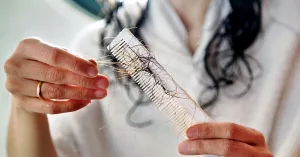
Shedding between 50 and 100 hairs per day is normal. Losing more than that might indicate excessive shedding, which can contribute to an overall appearance of thinner hair.
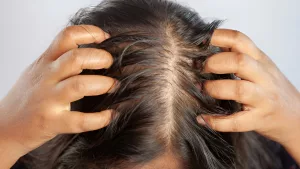
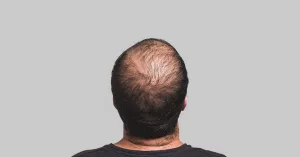
Unlike widespread baldness, hair thinning doesn’t always lead to complete hair loss. Instead, it often creates areas where hair appears more sparse.
Because thinning hair usually develops slowly, you often have time to identify the causes and determine appropriate treatment options.

What leads to thinning hair?
Thinning hair can stem from lifestyle choices, hereditary factors, or a mix of both. Certain health conditions can also contribute to hair thinning.
Common lifestyle-related contributors include:
- Overprocessing hair: This covers chemical services such as coloring, perms, and relaxers.
- Using aggressive styling products: Examples include ultra-strong hairsprays and stiff gels.
- Frequent tight hairstyles: Styles that pull the hair into tight buns or ponytails—especially during exercise—can strain follicles and lead to breakage and localized thinning over time.
- Poor nutritional intake: Deficiencies in iron, folate, and other minerals can impair follicles’ ability to produce hair.
- Chronic stress: Prolonged stress raises hormones like cortisol. Excess stress hormones can trigger conditions such as telogen effluvium, where hair falls out and follicles enter an extended resting phase, slowing new growth.
Thinning can also be inherited or related to underlying health issues. You may experience thinning hair if you:
- recently gave birth
- recently stopped using oral contraceptives
- are experiencing hormonal shifts
- lost a large amount of weight quickly
- are undergoing treatment for an autoimmune illness
- have immune system impairments
- have a skin disease or scalp infection
- have low vitamin D levels
- are deficient in other vitamins and minerals like riboflavin, selenium, and zinc
Less frequent causes of thinning hair include:
- compulsive hair pulling
- eating disorders
- having a high fever
Treatments and home remedies for thinning hair
Some instances of thinning hair can be managed at home. Below are 12 approaches to consider, but always consult a doctor before starting any treatment.
1. Scalp massage
- Pros: Inexpensive and easy to do.
- Cons: Won’t resolve thinning caused by medical issues.
One of the simplest ways to try to improve hair thickness is rubbing the scalp. It costs nothing and, when done properly, is safe.
While washing your hair, use your fingertips to apply gentle pressure around the scalp to stimulate circulation. A handheld scalp massager can also help slough off dead skin cells. However, evidence that massage prevents thinning is limited.
2. Essential oils
- Pros: Animal studies suggest potential benefits, and essential oils are easy to find in stores.
- Cons: Human research is limited, and some people may have allergic reactions.
Essential oils are concentrated plant extracts commonly used in aromatherapy and other alternative therapies.
Some individuals with pattern hair loss report benefits from lavender oil. Animal studies support this finding, but human trials are needed to confirm effects. Others combine lavender with oils like rosemary and thyme.
Overall, evidence is insufficient to prove essential oils can treat baldness or thinning hair. If you try them, dilute essential oils in a carrier oil such as coconut or jojoba oil.
Patch-test a small amount on your forearm and wait 24 hours to check for reactions. Redness, irritation, hives, or a rash could indicate an allergy.
3. Anti-thinning shampoos
- Pros: Some are available over the counter and can be paired with scalp massage.
- Cons: Volumizing shampoos only mask thinning and prescription options may be necessary.
Anti-thinning shampoos serve two roles. First, they can add immediate volume so hair appears fuller, which is helpful for fine or thinning hair.
They may also contain vitamins and amino acids aimed at improving scalp health. Follow product directions for best outcomes.
Ask your doctor about prescription-strength shampoos if needed—some companies offer prescriptions online.
4. Multivitamins
- Pros: Can address hair thinning from nutrient shortfalls and are widely available.
- Cons: Excessive intake of certain nutrients can be harmful.
Healthy hair depends on overall nutrition. Severe malnutrition or certain eating disorders can stop follicles from producing new hair. A blood test can reveal nutritional deficiencies.
If you’re deficient in key nutrients, a physician may recommend a daily multivitamin. Iron, folic acid, and zinc all support thick, strong hair. Look for supplements formulated for your sex that include these nutrients.
Don’t take extra vitamins if your diet already supplies sufficient amounts. There’s no proof that excess vitamins will reverse thinning, and too much of some nutrients may be harmful.
5. Folic acid supplements
- Pros: Readily available over the counter and may correct folate deficiency.
- Cons: Evidence of effectiveness for hair thickness is lacking.
Folic acid (a B vitamin) plays a role in new cell formation. Some studies suggest a link between folate deficiency and certain hair loss types.
However, like multivitamins, firm evidence that folic acid increases hair thickness is limited.
6. Biotin
- Pros: Easily obtained over the counter and treats biotin deficiency.
- Cons: Little evidence it helps thinning hair.
Biotin (vitamin B7) is water-soluble and found in foods like nuts, lentils, and liver.
If you eat a varied diet, biotin deficiency is unlikely. Still, biotin supplements have grown in popularity amid claims of boosting energy and improving hair.
While biotin is involved in metabolic processes, research supporting its use for thinning hair is sparse.
Avoid taking biotin alongside vitamin B5, as they can interfere with each other’s effects.
7. Omega-3 and omega-6 fatty acids
- Pros: These fats help reduce inflammation and are accessible as supplements.
- Cons: More research is required.
Omega-3 and omega-6 are essential fatty acids, meaning the body can’t make them.
Omega-3s reduce inflammation, which may underlie some hair loss types. They’re found in fish and certain seeds. A 2022 study suggests fish oil omega-3s may be linked to some hair loss types.
Omega-6 supports skin health, potentially benefiting the scalp, and is found in many plant-based oils. Some research indicates taking omega-6 supplements could carry health risks.
Consult your doctor before beginning any new supplements.
8. Minoxidil
- Pros: FDA-approved and available without a prescription.
- Cons: Possible scalp irritation and requires continuous use to sustain benefits.
Minoxidil, widely known by the brand Rogaine, is an FDA-approved topical for hair loss available over the counter.
Applied to the scalp twice daily, it can slowly thicken hair in thinning areas. It’s sold as a liquid or foam and can also be prescribed orally.
Visible changes may take up to 16 weeks; consistent use is essential for seeing effects.
Side effects can include scalp irritation and unwanted facial or neck hair growth.
9. Spironolactone
- Pros: May treat thinning related to excess aldosterone or androgen activity.
- Cons: Prescription-only and can cause headaches, dizziness, and other side effects.
Spironolactone (Aldactone) is sometimes prescribed for hair thinning tied to aldosterone or androgen-related issues. Although primarily a diuretic for blood pressure or fluid retention, it also has anti-androgen effects.
In women, spironolactone can be helpful for thinning hair and hair loss linked to hormonal changes.
10. Finasteride
- Pros: The first oral FDA-approved drug for male pattern hair loss.
- Cons: Prescription-only and generally not recommended for premenopausal women.
Finasteride (Propecia) is a prescription tablet taken daily by men for hair loss.
Those who are pregnant or may become pregnant should avoid finasteride due to the risk of severe birth defects. For postmenopausal women, studies indicate it can be effective and is sometimes prescribed.
11. Corticosteroids
- Pros: Useful for inflammation-driven and autoimmune hair loss.
- Cons: Prescription-only; long-term use can thin the skin and cause other adverse effects.
Corticosteroids treat conditions associated with inflammation. Inflammatory disorders can produce symptoms including hair thinning.
One such condition is alopecia areata, an autoimmune disease where the immune system attacks hair follicles, leading to patchy or more extensive hair loss.
Prescription corticosteroids can reduce inflammation at the follicles. Depending on severity, they may be applied topically or injected into the scalp by a dermatologist every 4 to 6 weeks.
12. At-home laser therapy
- Pros: No prescription needed and convenient for home use.
- Cons: Can be expensive and may require months to show results.
Laser therapy is commonly administered by dermatologists, but some devices are FDA-cleared for at-home use.
At-home laser therapy may stimulate hair growth and increase hair thickness, but results can take months.
The main downside is cost—devices can run into the hundreds of dollars and might not work for everyone. Consult a physician before investing in one.
»MoreOur Happy Head Review of Hair Restoration Products
How can I slow or reverse thinning hair?
If an underlying condition such as alopecia areata is present, appropriate medical treatment from your doctor may help with hair loss.
When a medical cause isn’t identified, there are lifestyle steps you can take to reduce further hair loss. Consider the following:
Maintain a balanced diet
There may be a link between hair loss and shortages of micronutrients like iron or macronutrients like protein. If needed, consult a physician or dietitian for meal planning guidance.
Talk with your doctor before starting supplements, especially multivitamins that contain combinations of micronutrients or fat-soluble vitamins.
If you smoke, think about quitting
Smoking harms the entire body, including the skin, and is also linked to hair loss.
Smoking may worsen hair loss due to its inflammatory effects. A 2021 review suggests smoking can disrupt hair’s growth cycle and even cause color changes.
Work on stress reduction
While stress is a normal part of life, chronic stress can harm your health, including your hair.
Research indicates cortisol, a stress hormone from the adrenal glands, may interfere with the hair growth cycle.
To manage stress, prioritize self-care—try meditation, hobbies, or relaxation techniques. Consider speaking with a mental health professional if stress is persistent.
Care for your hair gently
Alongside treatments to reverse thinning, practice good hair-care habits.
Choose gentle hair products when possible. Brush and comb only as needed, minimize use of heat styling tools, and avoid excessively tight hairstyles.
When should I see a doctor about thinning hair?
Although some hair loss is normal, consult a doctor if you’re losing more than 100 hairs daily.
See a physician if you’re concerned about ongoing hair loss, a receding hairline, or sudden patchy hair loss—patches could signal an underlying health issue.
Common questions about thinning hair
What causes hair to thin? What is the primary reason for hair thinning?
Many factors—lifestyle, heredity, recent life events (like rapid weight loss or childbirth), and medical conditions—can cause hair to thin.
Lifestyle contributors include certain hair products, wearing hair too tightly, high stress, and insufficient intake of certain vitamins and minerals.
Immune system deficiencies can also lead to thinning hair.
Can hair regrow after thinning?
Hair can regrow depending on the underlying reason. Thinning caused by nutrient shortages, stress, pregnancy, and other non-genetic causes may be reversible.
If you notice new or ongoing hair loss, consult your doctor since some medical conditions are linked with thinning hair.
How do you treat thinning hair?
Treatment depends on the cause. Addressing an illness or vitamin deficiency may restore hair health and encourage regrowth. Temporary thinning from childbirth, rapid weight loss, or stress often resolves as the body recovers.
For other causes, topical products, shampoos, or prescription medications may help.
Which vitamin deficiency causes hair loss?
Iron, folic acid, and zinc are important for robust hair growth. Deficiencies in these nutrients can negatively affect hair. Most people obtain adequate amounts through a balanced diet, but a doctor may recommend supplements when necessary.
Takeaway
Although thinning hair can be worrying, many forms are treatable.
If you’re experiencing new or worsening hair loss, or developing bald spots, see a doctor. They can look for underlying conditions and suggest appropriate medications.
For advanced alopecia, hair transplantation may be another option.















Leave a Reply
You must be logged in to post a comment.