

Chewing the inner portion of your lip can result in pain, bleeding, swelling, and even canker sores. Many home treatments are effective, but seek medical attention if the bleeding won’t stop.

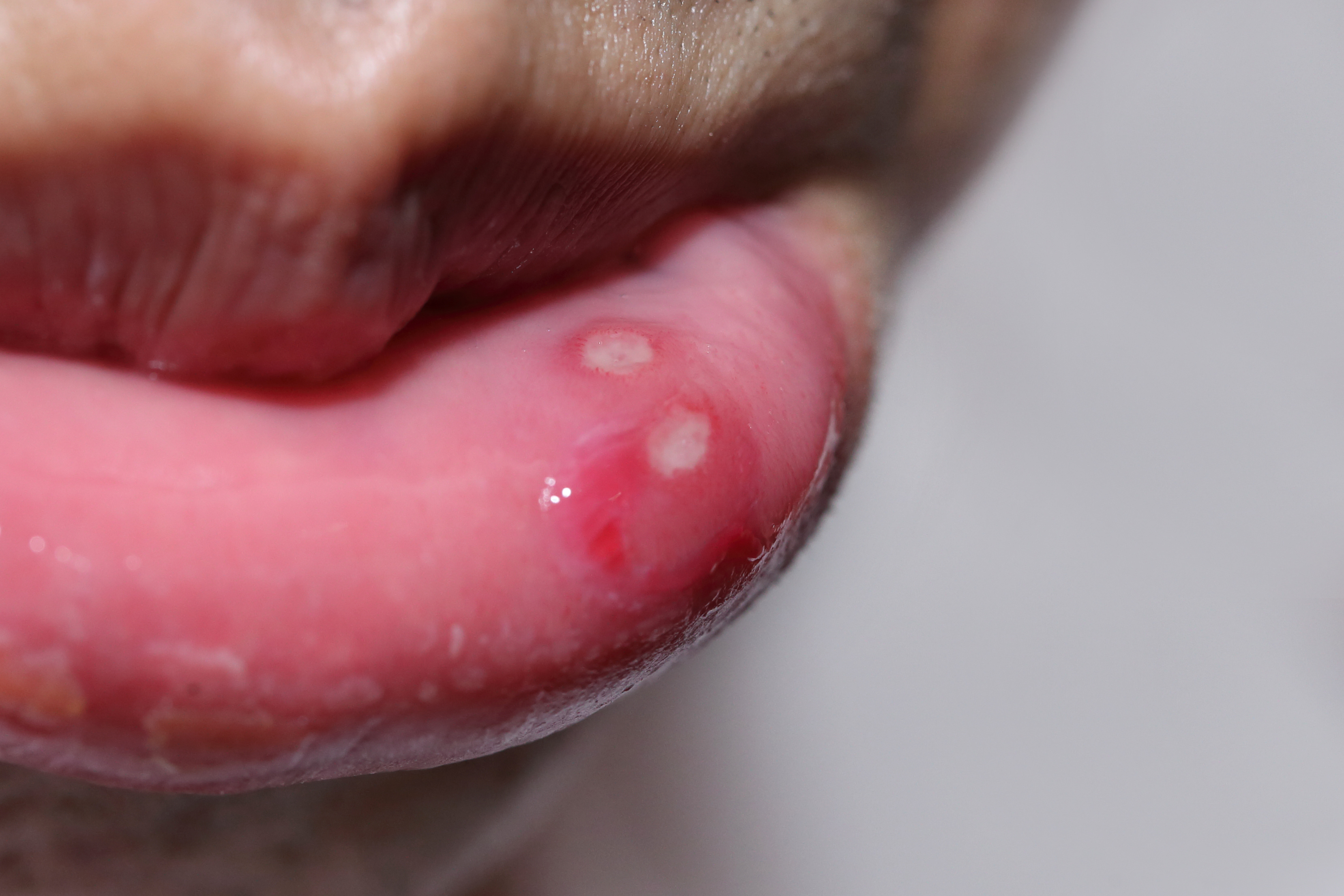
Biting the inside of your lip can be quite painful. It most often happens by accident and is particularly frequent in kids. You might bite the inner lip:
- while eating or speaking
- during a fall, collision, or other mishap
- while engaged in sports
- during a seizure
- because of stress
Although the injury is uncomfortable, it usually doesn’t require medical care. A minor bite can typically be handled at home with simple self-care measures.
Read on to find out how to treat a bite inside your lip and when it’s important to see a clinician.
What occurs when you bite the inside of your lip?
When you bite the inner lip, your teeth press into the skin. This hurts because lips are rich in nerve endings, making them extremely sensitive.
In addition, if the bite punctures the skin, you may notice significant bleeding because lips receive a generous blood supply.
Other common signs after biting your lip include:
- swelling
- redness
- tenderness
Depending on how forceful the bite is, it can also produce injuries such as:
- cuts
- lumps or bumps
- canker sores
- mucocele (a mucus-filled cyst)
How to care for a bite inside your lip
In most situations, you can manage a bitten lip at home. Given the rich blood flow, these injuries often heal quickly.
Follow these steps to clean and care for a bite inside your lip:
- Inspect the wound for dirt or debris, especially if it happened during an accident. If there’s material embedded in the wound, don’t attempt to remove it yourself — seek immediate medical care.
- Gently pat the area with a clean cloth. Avoid scrubbing or rubbing the injury.
- Rinse your lip with cool water.
- Apply clean gauze or a fresh cloth to the bite and hold firm pressure for 5 to 10 minutes. If bleeding continues, place another clean piece of gauze on top and keep applying pressure.
- After bleeding subsides, wrap an ice cube or cold pack in a clean cloth and press it to the area. This helps reduce swelling.
As the wound recovers, try these measures to ease symptoms and lower infection risk:
- Rinse with saltwater. A saltwater rinse may reduce pain and help keep bacteria at bay. Mix 1 teaspoon of non-iodized salt into 1 cup of warm water, then swish gently in your mouth for about 4 minutes.
- Use a cold compress. To limit swelling, hold an ice cube against the inside of your lip. If using a cold pack, wrap it in a clean cloth first.
- Take over-the-counter pain relievers. Nonsteroidal anti-inflammatory drugs (NSAIDs) such as ibuprofen, aspirin, or naproxen can ease pain and decrease swelling.
- Apply an oral antiseptic gel. Over-the-counter oral antiseptic gels can fight bacteria that cause infection and many also soothe discomfort.
If you’re concerned about covering visible soreness during recovery, see guidance on how to cover up a cold sore—some tips may be useful for concealing lip injuries as they heal.
Other frequent mouth sores and injuries
Many mouth injuries respond to similar home care. Below are several common oral injuries and recommended treatments.
Bitten cheek or bitten tongue
Biting a cheek or tongue is another typical injury that can happen while:
- eating
- playing sports
- after a fall or collision
A bitten cheek or tongue may also stem from poorly aligned teeth. Normally, the top teeth protect the cheeks and the bottom teeth guard the tongue, but misalignment raises the risk of accidental bites.
Symptoms at the bite site include:
- pain
- redness
- swelling
- bleeding
Treatment for a bitten cheek or tongue includes:
- Rinse your mouth with saltwater.
- Place an ice cube on the injured area, or suck on an ice cube for a tongue injury.
- Take NSAIDs to relieve pain.
- Use an oral antiseptic gel to help prevent infection.
Canker sores
Canker sores, also called aphthous ulcers, are small red lesions with a white or yellow center and typically have a round or oval shape. They can appear on your:
- inner lips and cheeks
- tongue
- gums
These sores arise from many possible triggers, including:
- mouth trauma like biting the inside of your lip
- viral infection
- stress
- vitamin or mineral deficiencies
- food sensitivities
- hormonal fluctuations
Ways to treat canker sores include:
- rinsing with saltwater
- using an antiseptic rinse made for mouth sores
- applying an ice cube to the lesion
- taking NSAIDs for pain control
- using topical oral pain medications on the sore
When to seek medical care
Most minor mouth wounds don’t need stitches or professional care. But contact a doctor if you or your child experience any of the following:
- a deep or large cut longer than half an inch
- a laceration that passes completely through the lip
- foreign material lodged in the wound
- bleeding that won’t stop
- intense or worsening pain
- difficulty opening or closing the mouth
- signs of infection (increased redness, warmth, pus, or fever)
Also seek immediate medical attention if the injury resulted from a serious event such as a car crash or a major fall.
The bottom line
Biting the inside of your lip is a common oral injury that can cause pain, bleeding, and swelling depending on severity.
In most cases, minor bites can be managed at home. Rinse with cool water and apply pressure with clean gauze to control bleeding. Sucking on an ice cube may help reduce swelling.
Get prompt medical care if bleeding won’t stop, if you notice signs of infection, or if pain worsens. If the wound occurred during a significant accident, seek urgent medical attention.


















Leave a Reply
You must be logged in to post a comment.