

You may experience lower back and hip discomfort from a pinched nerve or a pulled muscle. It can also stem from underlying problems like arthritis, a herniated disc, or issues with a joint.
Lower back pain is widespread. A 2023 review of studies found that as many as 80% of people worldwide will have lower back pain at some stage in their lives. The sensation can vary from a mild, persistent ache to sharp, disabling pain that impacts daily activities and quality of life.
Back pain is frequently confused with hip pain.
Your hip joint sits close to the spine, so injuries to the hip can mimic — or actually produce — back pain. Alongside hip and lower back pain, a hip problem may lead to:
- pain in the groin on the affected side
- reduced flexibility or stiffness
- discomfort with walking or movement
- difficulty sleeping
Below are five potential reasons for lower back and hip pain.
Muscle strain
Sudden back pain is commonly caused by muscle sprains or strains.
Sprains happen when ligaments are overstretched and sometimes torn; strains occur when muscles or tendons are stretched and possibly torn. While the immediate symptom is usually back pain, you may also notice a dull ache or soreness radiating into your hip.
Care for sprains and strains generally involves rest and protecting the injured area from further stress. Applying heat or ice for around 20 minutes every 2–3 hours can help control swelling.
More severe injuries might require physical therapy. If pain intensifies or doesn’t improve, consult a physician to ensure there isn’t a more serious problem.
Pinched nerve
A pinched nerve can be painful and often causes sharp, shooting pain, tingling, or numbness, especially when it affects the back, spine, or hip.
A nerve becomes compressed when nearby bones, muscles, or tissues exert excessive pressure, disrupting normal nerve signaling and producing pain, weakness, or altered sensation.
Common causes of a pinched nerve include:
- excess body weight placing added stress on spinal joints
- repetitive motions that lead to inflammation and nerve compression
- arthritis that narrows spaces around nerves
- sports-related injuries that stress nearby structures
Pain from a pinched nerve often improves relatively quickly with treatment and typically doesn’t cause lasting damage. Still, prolonged compression can produce persistent pain and increase the chance of permanent nerve injury.
Initial therapy often includes rest and over-the-counter nonsteroidal anti-inflammatory drugs (NSAIDs).
Severe or persistent cases might need physical therapy to restore strength and movement, and sometimes surgery is required. For temporary relief, a clinician may prescribe anti-inflammatory medication.
For more information on related conditions, see pinched nerve in lower back.
Arthritis
Arthritis — inflammation of one or more joints — is a frequent source of back and hip pain. You may also notice discomfort in the front of the thigh and groin. Arthritis commonly results from aging and long-term wear on the body.
Typical signs of arthritis include:
- pain
- swelling
- stiffness
- limited range of motion
- numbness
Treatment aims to ease symptoms and improve mobility. A provider might suggest:
- anti-inflammatory or pain-relieving medications
- disease-modifying antirheumatic drugs to slow immune-driven joint damage
- physical therapy to strengthen supporting muscles and enhance range of motion

Herniated disk
Also called a slipped or ruptured disk, a herniated disk happens when the soft, jelly-like center of a spinal disk pushes through its tougher outer layer. This can irritate nearby nerves and commonly causes lower back pain and numbness.
Besides back pain, symptoms may include:
- pain that radiates into the thigh
- hip and buttock discomfort
- tingling sensations
- muscle weakness
Doctors often treat a herniated disk with NSAIDs, corticosteroid injections, and physical therapy to lessen pain and improve function.
If symptoms deteriorate or conservative treatments fail, surgical options may be considered.
Sacroiliac joint dysfunction
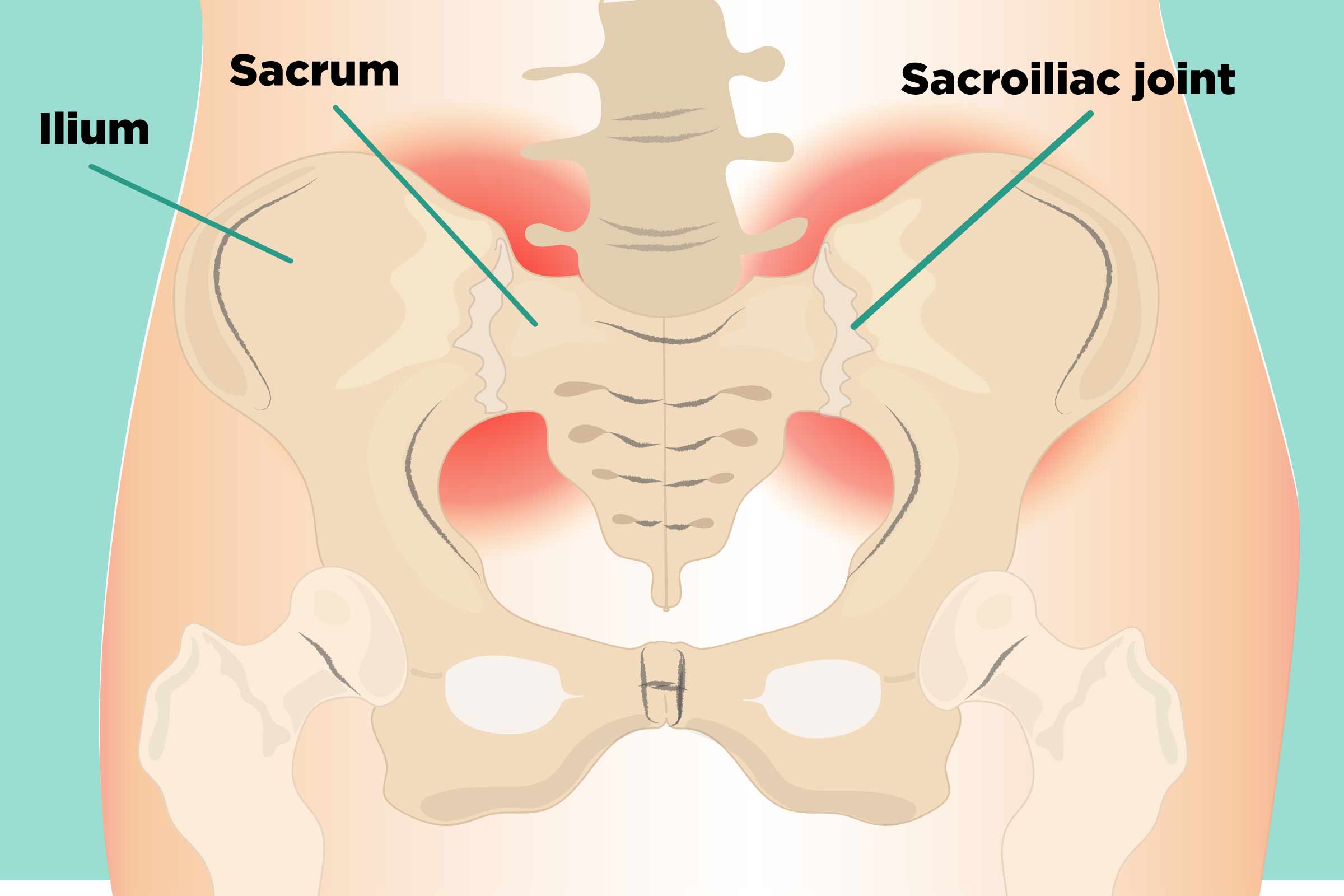
The sacroiliac (SI) joint links your hip bones to the sacrum — the triangular bone between the lower spine and the tailbone. This joint helps absorb shock between the upper body, pelvis, and legs.
Injury or strain to the SI joint can lead to pain that radiates across the hip, lower back, and groin.
Treatment centers on easing pain and restoring normal motion of the SI joint. Recommendations may include:
- adequate rest
- pain relief with medications as needed
- alternating hot and cold packs
In more severe or persistent cases, surgical intervention may be discussed.
Takeaway
Hip and lower back pain are common, but sometimes they signal a more significant medical issue. If your symptoms worsen or are accompanied by other concerning signs, seek medical advice.
A clinician can evaluate your symptoms, rule out serious causes, and recommend the most appropriate treatment plan.





















Leave a Reply
You must be logged in to post a comment.