
Overview
Essential oils are concentrated extracts taken from plants. Studies indicate that several varieties of essential oils possess therapeutic properties. Aromatherapy employs these oils to help ease certain symptoms associated with illness.
Certain essential oils can also assist in lowering a fever. They may support your immune system in combating the infection or illness that’s causing the raised temperature.
That said, essential oils can’t cure a fever or eradicate an infection on their own. Proper care might still require antipyretic medications or antibiotics.
Which essential oils can alleviate a fever?
Many essential oils exhibit antibacterial and antifungal activity. Some have antiviral effects as well.
Cinnamon oil
A 2013 study comparing cinnamon, cloves, cardamom, and cumin found cinnamon to be the most effective against bacteria.
A 2019 study reported that in vitro cinnamon essential oil inhibited Salmonella and might help the body combat bacterial infections. This could ease fever symptoms by enabling faster elimination of bacteria.
Cinnamon oil contains multiple natural antimicrobial compounds and may be active against bacteria that are resistant to standard antibiotics.
Ginger oil
Ginger root is a common culinary spice used to aid digestion.
It supports digestive function and protects the gastrointestinal tract. A review highlights ginger’s ability to reduce inflammation, which often accompanies a fever.
Both fever and inflammation raise the body’s internal heat. Massaging diluted ginger oil may reduce inflammation and help bring down a fever, while also relieving nausea, vomiting, diarrhea, and headaches.
Peppermint oil
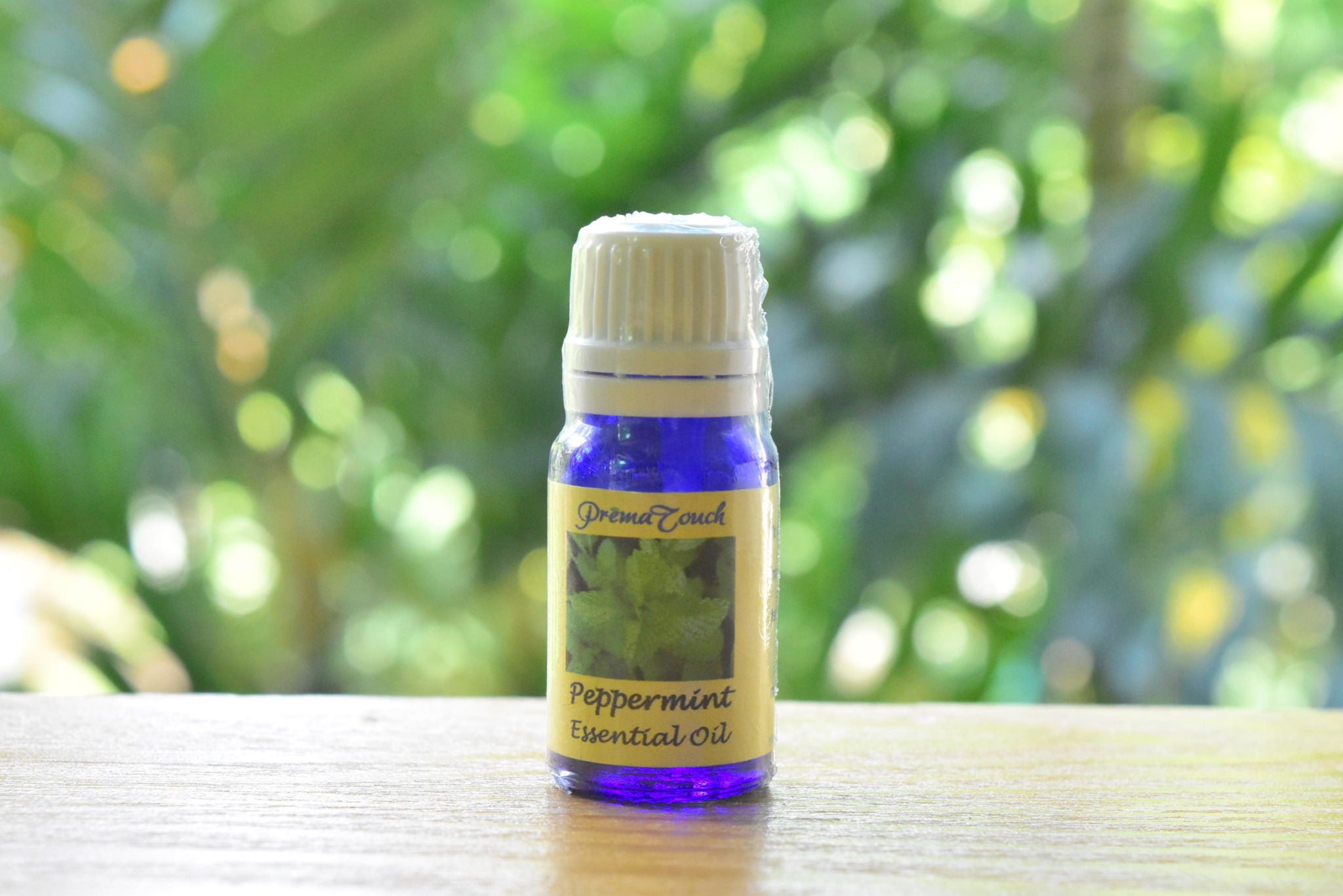
Peppermint essential oil is rich in menthol, the same compound found in throat lozenges and topical balms like Vicks VapoRub. Menthol produces peppermint’s cooling sensation when inhaled or tasted.
Peppermint oil can be applied to cool the skin during a fever. A 2018 study demonstrated that menthol applied to the skin produces a cooling effect.
Topical mentholated rubs are commonly used on the chest and back for this purpose. Peppermint oil has also been found to alleviate nausea and vomiting linked to illness.
Tea tree oil
Tea tree oil has documented infection-fighting capabilities. Its active components, terpenes, exhibit antibacterial effects and may act against fungi that cause dandruff.
Tea tree oil also reduces inflammation. In a 2016 study, tea tree oil decreased swelling, redness, irritation, and pain from allergic skin reactions.
Soothing inflammation on the skin and within the body may contribute to lowering a fever.
Eucalyptus oil
Eucalyptus essential oil possesses antioxidant, anti-inflammatory, and analgesic effects that may help reduce a fever. It also shows activity against viral, bacterial, and fungal pathogens.
Laboratory tests found eucalyptus oil effective at eliminating several microbes that cause human illness, including bacteria linked to strep throat and E. coli infections, as well as various fungi.
Eucalyptus may also ease fever-related symptoms by loosening chest and nasal congestion, helping clear mucus and phlegm, which improves breathing and relieves coughs and runny nose.
Lavender oil
Fever can interfere with sleep and reduce restfulness. Lavender essential oil is commonly used to promote better sleep.
A 2014 study involving hospitalized patients found that lavender oil modestly lowered blood pressure during sleep, aiding more restorative rest.
An additional review indicates lavender may calm the nervous system, improving sleep and easing some symptoms of anxiety and depression. According to research, lavender’s effects can rival certain prescription treatments.

Frankincense oil
Frankincense oil demonstrates antibacterial, antifungal, and anti-inflammatory actions. It may decrease swelling and pain in inflammatory conditions such as rheumatoid arthritis.
Frankincense can also help reduce fever, particularly when inflammation is present, and may assist in managing other illnesses that cause elevated temperature.
This oil functions as an expectorant, helping to lessen mucus accumulation in the nose, throat, and lungs. That may improve symptoms of:
- cold
- flu
- asthma
- sinus congestion
- bronchitis
Studies identify alpha-pinene in frankincense, a compound that may aid the immune system in eliminating certain cancer cells.
How to use essential oils to treat a fever
There are multiple ways to apply essential oils. Never use undiluted essential oils directly on the skin. Always mix them with a carrier oil such as almond, sesame, or olive oil before topical use.
Do not ingest essential oils or apply them near the eyes, as they can cause irritation. Follow label directions carefully.
Common methods include:
- inhaling oils by sniffing the bottle or placing a few drops on a cotton ball, handkerchief, or pillow before sleep
- adding several drops to a diffuser
- diluting with a carrier oil and adding to a bath
- diluting with a carrier oil for massage
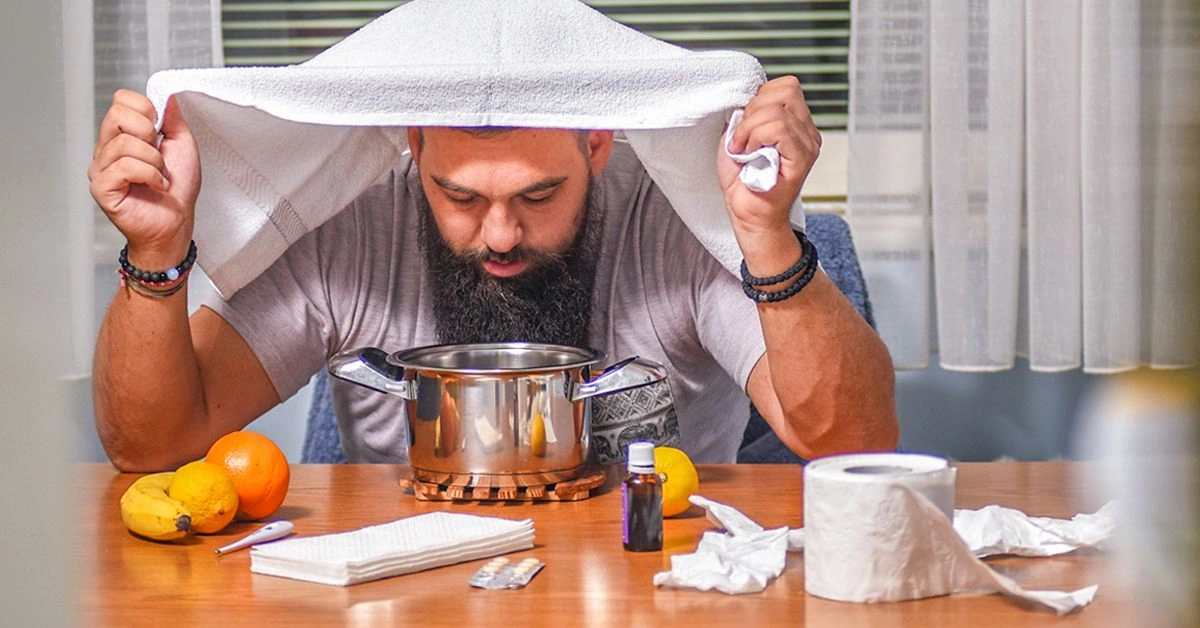
- placing drops in a bowl of hot water for steam inhalation
Most mixtures should contain a 1 to 5 percent dilution in carrier oil.
Essential oils for children
Essential oils are potent and contain active compounds. Consult your child’s pediatrician before use and never allow children to ingest essential oils.
Some oils can affect hormones. For instance, excessive use of lavender and tea tree oils has been linked to abnormal breast tissue growth in young boys.
Side effects and precautions
Further research is required to confirm whether essential oils reliably reduce illness and fever symptoms. The effective and safe dosages and duration of use are not well established.
Essential oils are far more concentrated than their source plants and can cause adverse effects in some people, including allergic skin reactions.
They can also increase skin sensitivity to sunlight, raising the risk of sunburn when outdoors.
Essential oils may interact with prescription and over-the-counter medications.
Symptoms of a fever
A fever is generally indicated by a body temperature above 98.6°F (37°C). Other possible signs include:
- chills
- shivering
- skin redness or flushing
- sweating
- aches and pains
- headaches
- loss of appetite
- dehydration
- weakness
- fatigue
Other home fever remedies
Other ways to help reduce a fever include:
- resting more
- staying hydrated with water, broths, soups, and juices
- using over-the-counter pain relievers like acetaminophen or ibuprofen
- staying cool by removing excess clothing and applying a cold compress
When to see a doctor
Fever can signal a serious condition. Infants, young children, older adults, and individuals with weakened immune systems may require prompt medical care.
If untreated, a high fever can cause complications; very high temperatures in infants can trigger febrile seizures.
Seek medical attention if:
- your baby is 3 months or younger with a temperature above 100.4°F (38°C)
- your child is between 3 months and 2 years with a temperature above 102°F (38.8°C)
- a person 17 years or younger has a temperature above 102°F (38.8°C) lasting more than three days
- you’re an adult with a fever above 103°F (39.4°C)
- the fever is accompanied by severe pain, difficulty breathing, or a stiff neck
Takeaway
Essential oils may help relieve some symptoms associated with fever, but they are not a standalone cure; medical treatment may still be necessary.
Because fever can indicate a serious infection, especially in very young or elderly individuals, consult a healthcare provider if you’re concerned.
Do not ignore persistent or severe fever symptoms.




















Leave a Reply
You must be logged in to post a comment.