
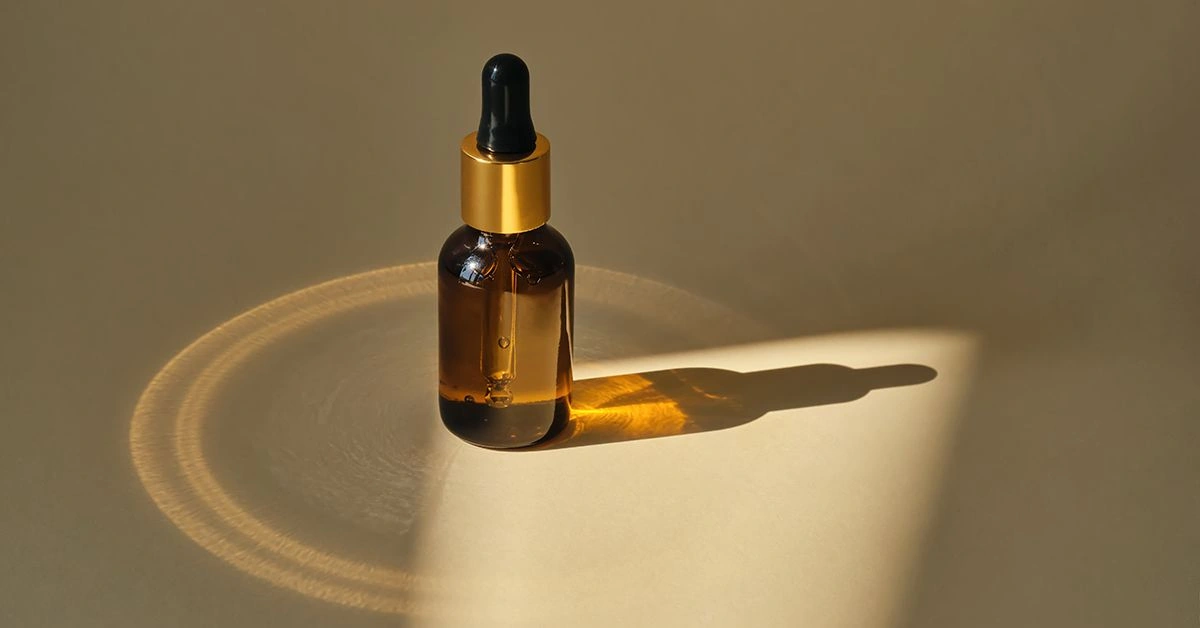
Cedarwood essential oil is extracted from the bark, needles, leaves, and berries of various cedar species. Many users believe it may offer benefits for the skin, hair, and sleep.

Although cedarwood oil is sold by itself, it’s also incorporated into products like insect repellents, colognes, shampoos, and deodorants.
People frequently report that it may help with hair thinning, scalp issues, and improving sleep quality. That said, strong scientific backing for these claims is limited.
Keep reading to explore the possible uses and effects of cedarwood oil.
While some studies suggest potential benefits, the FDA does not regulate the purity or quality of essential oils. Consult a healthcare professional before using essential oils and investigate the reputation of a brand. Always perform a patch test prior to applying a new essential oil topically.
Cedarwood oil benefits
Researchers have evaluated cedarwood oil and its constituents in animal and human experiments for cosmetic and health-related effects. Key components of cedarwood oil include cedrene, cedrol, and thujopsene.
Some studies indicate anti-inflammatory and antibacterial activity. However, these properties are somewhat limited because the oil does not mix with water and is highly volatile (evaporates quickly).
The species of cedar used to produce the oil affects its chemical profile, which in turn can influence how useful the oil may be for particular issues.
Cedarwood oil for hair loss
Alopecia areata is an autoimmune condition in which the immune system targets hair follicles, causing hair loss. Cedarwood is among several essential oils that have been explored for promoting hair regrowth.
An earlier 2015 trial examined aromatherapy for hair loss and reported that a blend of rosemary, thyme, lavender, evening primrose, atlas, and cedarwood oils was linked to hair regrowth. The study did not isolate cedarwood as the definitive cause of improvement.
A 2020 review noted that while some findings are encouraging, randomized controlled trials assessing essential oils for hair loss are lacking. Thus, using oils for hair regrowth might be worth trying, but it’s not conclusively proven.
Cedarwood oil for scalp conditions
Some shampoos designed for dandruff or scalp eczema include cedarwood along with other essential oils. Advocates claim these formulations can help soothe and manage scalp disorders.
However, a review of the literature found no large, rigorously designed studies proving cedarwood oil’s effectiveness for scalp conditions. More research is needed to determine whether it’s a reliable option.
Cedarwood oil for skin
Cedarwood oil exhibits anti-inflammatory and antimicrobial actions, which could theoretically benefit skin issues such as acne, though evidence is sparse.
Currently, there is no solid scientific proof that cedarwood oil treats acne. If you choose to experiment, always dilute it in a carrier oil and do a patch test before applying it to facial skin.
Cedarwood essential oil for sleep
Some people claim that inhaling cedarwood oil as part of aromatherapy offers sedative effects. There is limited direct research confirming this specific claim.
That said, aromatherapy in general has been shown to support sleep. A 2021 systematic review associated aromatherapy with improved sleep, reduced pain, decreased stress, and less fatigue. These benefits may be due to the essential oils themselves or simply the calming ritual of aromatherapy.
How to use cedarwood essential oil
Although evidence for cedarwood oil’s benefits is limited, trying it carries relatively low risk when used safely. Below are common ways to use it:
Aromatherapy
For aromatherapy, inhale the oil straight from the bottle or diffuse it. You can also apply a few drops to a cloth or towel and tuck it under your pillow.
Another option is mixing cedarwood with a carrier oil in an atomizer to create a room spray. Typical carrier oils include jojoba, avocado, grapeseed, olive, and argan. You may also consider blending with patchouli oil for a complementary aroma.
Fragrance
The warm, woody aroma of cedarwood makes it a favored note in colognes and aftershaves.
To use it as a personal scent, dilute a few drops in a carrier oil and gently dab onto wrists, forearms, or behind the ears. Cedarwood can also be added to soaps and lotions.
Cedarwood oil as a flea and moth repellent
Cedarwood oil applied topically can deter fleas, ticks, and moths from fabrics, people, and animals. Be sure to dilute it before applying to skin. If you consider using it on a pet, consult your veterinarian first, as essential oils can be harmful to animals.
It may also help repel insects and mosquitoes when emulsified in lotion. One study found effectiveness when cedarwood was combined with thyme and rosemary oils in a soybean oil base.
While it can deter ticks, its protective effect tends to diminish fairly quickly.
Safety precautions
The U.S. Environmental Protection Agency classifies cedarwood oil as generally recognized as safe (GRAS) when used topically as an insecticide or added to food in certain contexts (EPA document).
Though skin irritation from cedarwood oil is uncommon, caution is advised. Always dilute essential oils in a carrier oil and perform a patch test first.
Do not ingest essential oils, and avoid cedarwood oil if you have a cedar allergy.
The bottom line
Cedarwood essential oil has a warm, woody fragrance and is used for a variety of purposes. While some people claim multiple health and cosmetic benefits, robust scientific evidence is sparse.
If you decide to use cedarwood oil, dilute it in an appropriate carrier oil before applying it to the skin.




















Leave a Reply
You must be logged in to post a comment.