

When most people picture ink poisoning, they imagine someone swallowing pen ink. If you’ve accidentally ingested a bit of ink — for example, by chewing on a pen tip and getting ink in your mouth — it’s typically not a major hazard.
Per a report from the World Health Organization (WHO), “ball-point pens, felt-tip pens, and fountain pens contain so little ink that there is not enough to cause poisoning if it is sucked from a pen. Some inks may cause soreness in the mouth. Large amounts of ink swallowed from a bottle could be an irritant, but serious poisoning has not been reported.”
The WHO recommends drinking water after swallowing ink and notes no further treatment is usually necessary.
Signs of ink poisoning
Inks found in pens, markers, and highlighters are regarded as having very low toxicity and are present in such small amounts that poisoning is rarely a concern.
Common effects are temporary staining of the skin or tongue and, though uncommon, mild stomach discomfort.
Because printer cartridge and stamp pad inks contain larger volumes, seek medical help if someone has swallowed ink from those sources.
Ink on the skin — is it dangerous?
Drawing on your skin won’t cause ink poisoning. While ink can temporarily discolor your skin, it won’t lead to poisoning.

Ink in the eye — what to do
Eye irritation from ink is more common than skin effects. If ink gets into your eye, gently rinse the affected eye with cool water until the irritation eases.
Although the white of your eye may be stained briefly, permanent or long-term damage from ink in the eye is unlikely. If irritation persists or vision becomes blurry, consult your doctor.
Ink used in tattoos
According to a 2015 poll of 2,225 U.S. adults, 29 percent of Americans report having at least one tattoo and, of those, 69 percent have two or more.
The U.S. Food and Drug Administration (FDA) warns that when getting a tattoo you should watch for unsanitary practices and unsterilized equipment, but the ink itself is also a concern.
Tattoo inks contaminated with bacteria or mold can lead to infections.
The FDA classifies tattoo ink or dye as a cosmetic product. There are no pigments approved by the FDA specifically for injection into the skin for cosmetic purposes.
Allergic reactions and infections from tattoo ink
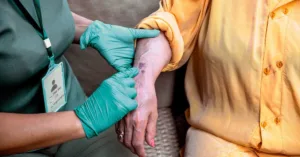
After receiving a tattoo you may develop a rash at the site. This could reflect an allergic reaction or an infection.
The Mayo Clinic notes that pigments most often linked to allergic skin responses include:
- red
- yellow
- green
- blue
A severe infection might produce symptoms such as:
- high fever
- sweating
- chills
- shivering
Treatment for an infected tattoo generally involves antibiotics and, in serious cases, may require hospitalization or surgery.
What to do if you react to tattoo ink
First, contact your physician for evaluation and appropriate treatment. The doctor can determine whether the issue stems from the ink or from other factors like poor hygiene during application.
Your next move should be to speak with the tattoo artist for two reasons:
- Your physician may request specifics about the ink, such as color, brand, and batch number.
- The tattoo artist will want to identify the ink so it can be removed from use.
Discuss with your doctor whether the event should be reported to the FDA so the incident can be recorded and safety information updated.
Bottom line
Ink from pens and markers is considered to have minimal toxicity and it’s uncommon to be exposed to large quantities. Therefore, the chance of ink poisoning from ingesting ink from a pen or getting it on your skin or in your eye is low.
The main risks with tattoo ink relate more to the cleanliness and safety practices of the tattoo artist and shop than to the ink itself.



















Leave a Reply
You must be logged in to post a comment.