

Many people link skin creasing with getting older. Aging is one possible reason nipples may wrinkle, but other causes — some more serious — can produce a similar appearance.
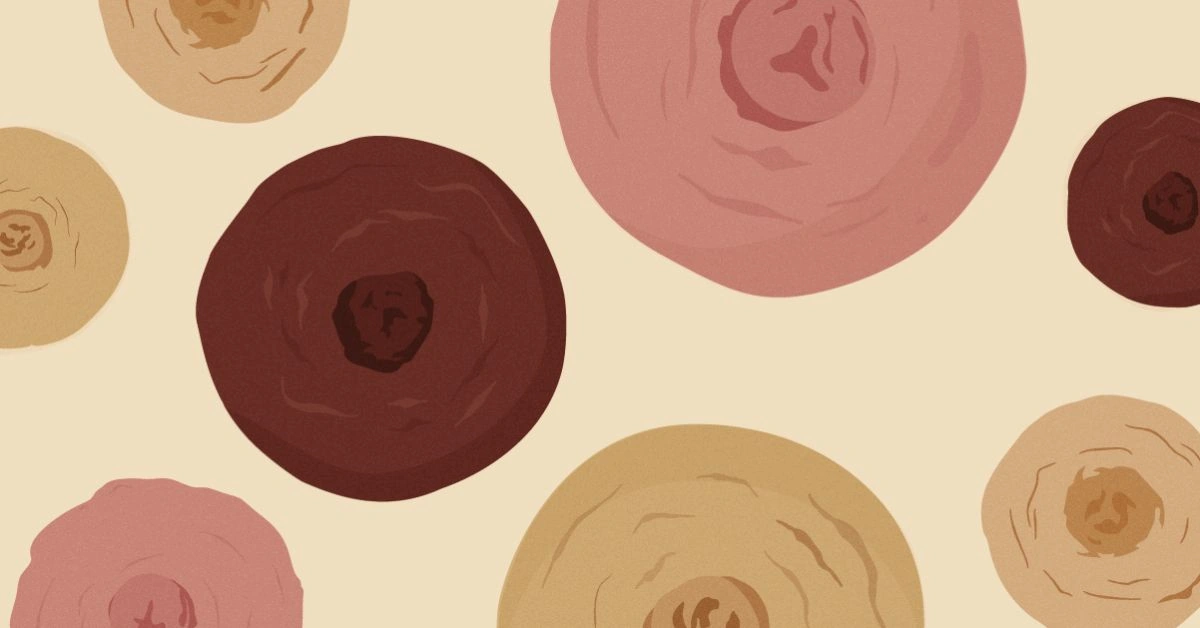
Nipples vary in form: they might be flat, cylindrical, or occasionally inverted, and their shape can even shift at different times. Each nipple sits in the center of a pigmented circle of skin and glands called the areola. Areola color ranges from pale pink to deep brown or black depending on your natural skin tone.
After childbirth, nipples function to release milk from duct networks that develop in the breasts during pregnancy. While breastfeeding, cells in the areola secrete fluids that help lubricate the nipple.
The nipple contains tiny muscles that contract to make it more erect (stand up) when stimulated by breastfeeding, cold temperatures, or touch. Many people will notice wrinkling of the nipples occasionally, and for some this may become more permanent with age.
Below is an overview of nipple wrinkling and the possible reasons behind it.
What makes my nipples wrinkle sometimes?
Although wrinkles are often linked to age, they’re not the only cause of creased nipples.
Dry skin
Dry skin is common and can affect the nipples, giving them a creased or wrinkled look.
Eczema, an inflammatory skin disorder, can involve the nipples as well. It produces very dry, sometimes blistered patches that crust and can make the area appear wrinkled.
Hormonal shifts
Those assigned female at birth often notice numerous changes in breast shape and texture across their lives. These changes are largely driven by hormonal fluctuations — chemical signals that affect growth and bodily functions.
Hormonal shifts most frequently occur during:
- pregnancy and breastfeeding
- puberty
- menopause
- after significant weight loss or gain
- throughout the menstrual cycle
Aging
Aging commonly leads to alterations in the breasts, including the nipples. Over time breasts lose glandular tissue and elasticity. During menopause, breast tissue may be replaced by fat even as overall size decreases.
These hormone-related changes can cause the breasts to sag, and nipples may shrink or retract with age, producing a wrinkled look.
Inverted nipples
Nipples come in many shapes and sizes; some individuals are born with or develop inverted nipples. These can look sunken and thus appear wrinkled. People with inverted nipples are often still able to breastfeed.
Inversion and wrinkling are usually harmless. However, if nipple inversion is new, it could indicate an underlying issue such as breast cancer and should be evaluated.
Stress or temperature changes can also cause temporary inversion and wrinkling. Before menstruation, some people notice breast swelling and lumpiness that may make the nipple look creased.
Smoking and lifestyle influences
Smoking, ultraviolet (UV) exposure, and contact with certain chemicals can lead to premature skin aging. While these factors are commonly associated with facial lines, they can affect skin elsewhere on the body, including the breasts and nipples.
Breastfeeding
Pregnancy and carrying a pregnancy to term often cause numerous changes in the appearance and feel of nipples, whether or not you breastfeed.
During breastfeeding preparations, breasts may enlarge two to three times their usual size, and areolas and nipples typically become bigger and darker.
Signs that a baby might not be latching correctly include nipples that are:
- misshapen
- pinched
- inflamed
- infected
- wrinkled
Wrinkling can also occur immediately after feeding as the breasts return to their prior size.
After breastfeeding stops, many people notice stretch marks, sagging, and color changes in the breasts and areolas. Others see minimal change after childbirth and nursing.
Breast cancer
Anyone can develop breast cancer. Sudden or noticeable breast changes don’t always signal cancer, but they can be a warning and should be checked.
Possible breast cancer–related signs include:
- sticky or bloody nipple discharge
- crusting or flaking of the nipple
- a new dimple or inversion of the nipple
These changes can make the nipple seem wrinkled.
Inflammatory breast cancer, a rare and aggressive form, may cause breast swelling and inversion of one or both nipples. Other symptoms can include:
- skin pitting or thickening
- pain
- redness
Paget’s disease
Paget’s disease of the breast is an uncommon cancer affecting the nipple and areola. It most often occurs in individuals assigned female at birth over age 50, but can also affect people assigned male at birth.
A hallmark sign is a buildup of abnormal cells on the nipple and areola, causing:
- redness
- itching
- dryness
- irritation
These symptoms can sometimes create a wrinkled appearance.
What about areola wrinkles?
The areolas are the pigmented rings encircling the nipple. In breastfeeding, they help guide the infant and secrete fluids that lubricate the nipple for feeding.
Like nipples, areolas can appear wrinkled for the same reasons:
- aging
- dry skin
- breastfeeding
- hormonal fluctuations
- inverted nipples
- smoking and other lifestyle factors
- breast cancer, including Paget’s disease
Home strategies for reducing nipple wrinkles
To lessen the look of wrinkled nipples you need to address the root cause. Some causes can’t be fully prevented, but others can be managed at home:
If due to aging, dry skin, or past breastfeeding
If your nipples are becoming more creased with age, you might try:
- using aloe vera gel, which is shown to boost collagen and hyaluronic acid production in skin — substances that research suggests can reduce facial wrinkles
- regularly moisturizing the breasts and nipples to help decrease wrinkling
- applying lanolin oil to soothe dry, irritated skin often linked to creasing
- eating a balanced diet rich in fruits and vegetables; studies in older adults have associated such diets with fewer facial lines — consider adding antioxidant-dense “superfoods” to your meals
If related to current breastfeeding
To address wrinkling during breastfeeding:
- ensure your baby is latching properly, since poor technique can cause nipple changes
- change breast pads often
- keep nipples clean and dry after feeds to avoid irritation that may lead to wrinkling
If related to hormonal changes
If nipple creasing appears around your period or during menopause, consider approaches to help balance hormones, such as:
- consuming adequate protein, healthy fats, fatty fish, and fiber
- exercising regularly
- limiting sugar and refined carbs (for example, white bread)
- managing stress with relaxation techniques like deep breathing
- drinking green tea, which may benefit skin health
If due to inversion
If you have inverted nipples that aren’t caused by cancer, non-surgical options include:
- regular stimulation with your fingers, such as the Hoffman technique, which presses thumbs at the base of the nipple to encourage protrusion
- using shells or cups to promote nipple projection
- trying a nipple retractor device
If related to lifestyle factors
Ways to slow wrinkling of nipples (and other skin) include:
- protecting skin from the sun with protective clothing and sunscreen. If you go outdoors topless, use a high-SPF, toxin-free sunscreen on nipples and breasts and remove it before breastfeeding.
- quitting smoking, which reduces risks beyond wrinkle prevention; a healthcare provider can help design a quit plan.
- applying topical vitamin C; an older 2002 study indicates it may lessen sun-damage–related wrinkles.
When to see a clinician about wrinkled nipples
Any change in how your breasts look is worth a medical check. A clinician can exclude serious causes of nipple wrinkling and help determine the right treatment.
Regular breast checks and age-appropriate screenings, including mammograms after age 40, are important. Self-exams can also help you monitor breast changes and aid in early detection.
New infections, injuries, recent nipple inversion, or breastfeeding difficulties warrant prompt medical attention, as they may require treatment.
For a persistent inversion you wish to correct, surgery is an option. Surgical approaches, sometimes preserving milk ducts to maintain breastfeeding potential, are typically reserved for severe cases that haven’t responded to other measures.
Bottom line
It’s common for nipples to develop a wrinkled appearance.
Often the change is temporary and related to hormonal shifts, pregnancy, breastfeeding, or transient sensations and temperature changes. Sun damage, smoking, and other factors can also contribute to skin creasing on the breasts.
Many causes of wrinkled nipples can be addressed at home to reduce their appearance. However, in rare instances wrinkling may signal infection or breast cancer and needs medical care.
If you notice sudden or concerning changes in your nipples or breasts, including pain, make an appointment with a healthcare provider.



















Leave a Reply
You must be logged in to post a comment.