

Some people assert that mixing olive oil with lemon juice can help detoxify the body, assist with weight loss, and even address gallstones. Yet, there is limited scientific evidence to substantiate these claims.
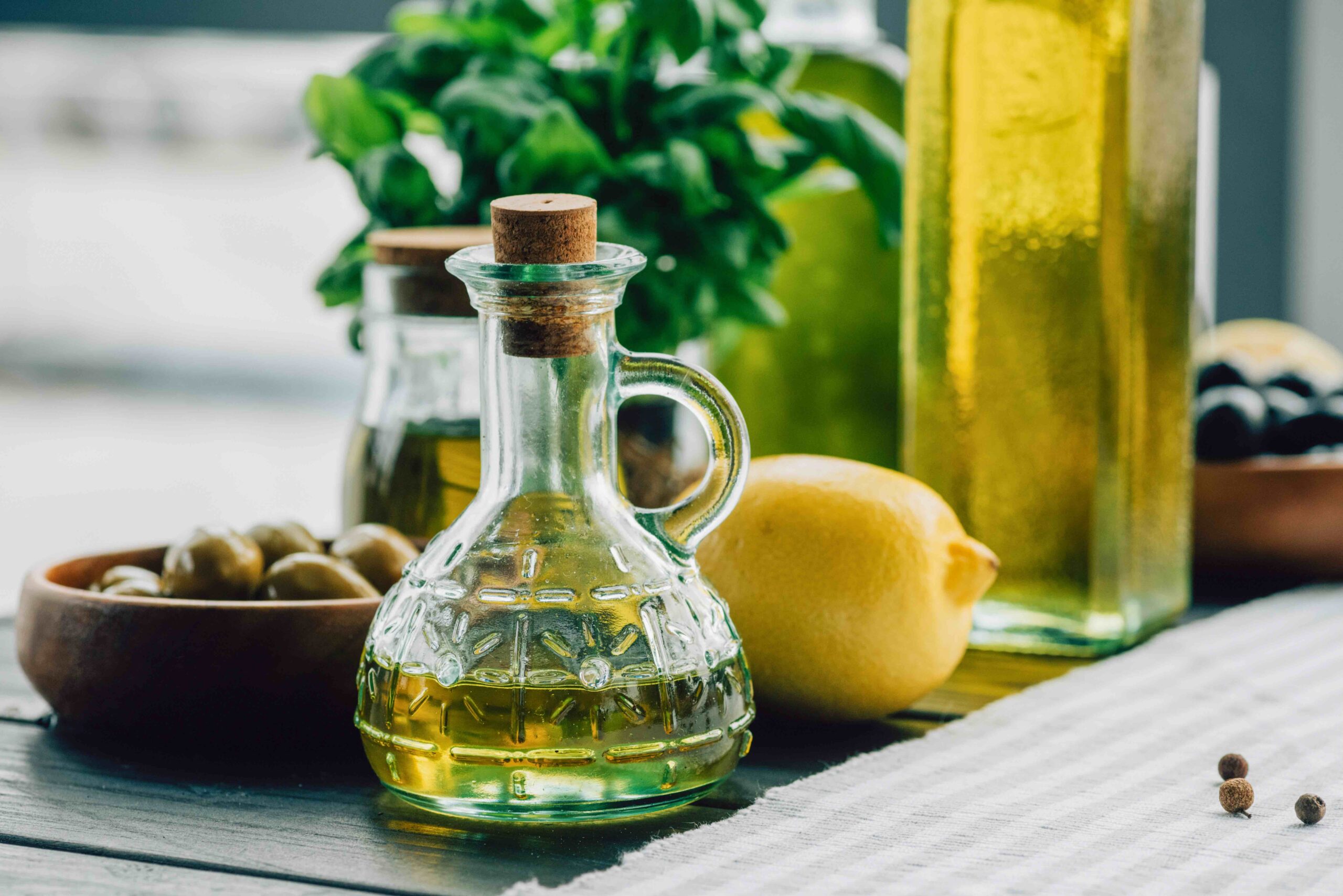
Both olive oil and lemon juice are staple ingredients in many culinary traditions, particularly across Mediterranean and Levantine cuisines.
Claims circulate that an olive oil and lemon juice mixture can treat a variety of issues, from gallstones and joint discomfort to slowing the effects of aging.
Although each ingredient individually may offer several health-promoting compounds, only a small number of studies have investigated their combined effects.
In this article, we’ll examine the available evidence to see whether the proposed benefits of pairing olive oil with lemon juice hold up.
What potential benefits do olive oil and lemon juice offer?
Olive oil and lemon juice each contain a range of compounds that could be beneficial to health.
Benefits of olive oil
Olive oil is obtained by pressing ripe olives and separating the oil via methods such as pressing and centrifugation, including mechanical processes. Extra-virgin olive oil (EVOO) is regarded as the top-quality variety.
EVOO consists largely of 55% to 83% oleic acid, a cardioprotective monounsaturated fatty acid (MUFA), and is also a solid source of vitamins E and K.
Olive oil is notable for containing polyphenols — natural antioxidant molecules that help neutralize harmful agents called free radicals, thereby guarding against oxidative stress.
Benefits of lemon juice
Lemon juice is the tart liquid expressed from lemons, a citrus fruit native to the Mediterranean and a member of the Rutaceae family.
It is abundant in antioxidants, particularly vitamin C, and lemons also contain flavonoids known for their antioxidant and anti-inflammatory actions.
Do they detoxify or cleanse the body?
Many people promote drinks or regimens involving lemon juice, olive oil, or their combination as ways to “cleanse” the body — purportedly flushing out built-up waste and toxins.
However, research examining whether lemon juice and olive oil can cleanse or detoxify the body is scarce.
A 2018 review comparing olive oil with other plant oils found that people consuming olive oil had reduced LDL (bad) cholesterol and higher HDL (good) cholesterol compared with those using other plant oils.
The antioxidants and polyphenols in olive oil and lemon juice could be regarded as “cleansing” because they help mop up free radicals that otherwise cause cellular damage and contribute to disease.
Still, the human body already possesses multiple systems — like the liver and kidneys — that eliminate toxins and maintain function.
To support your body’s natural processes, prioritize a balanced diet rich in fruits, vegetables, whole grains, legumes, nuts, seeds, and lean proteins.
Claims about weight loss
Certain constituents of lemon juice and olive oil may influence weight management.
For example, lemon juice is a good source of vitamin C. A 3-ounce (100-gram) portion provides 38.7 mg, equaling about 43% of the Recommended Dietary Allowance (RDA) for men and 52% for women.
Vitamin C is necessary for synthesizing carnitine, a compound that shuttles fatty acids into cells for breakdown and energy production. Low vitamin C levels can reduce fat oxidation.
In a 2018 animal study, obesity-prone mice given ascorbic acid (vitamin C) while on a high-fat diet for 15 weeks accumulated less body fat and showed improved health markers compared with mice on the same diet without supplemental vitamin C.
Some evidence indicates MUFAs — the primary fats in olive oil — may be more metabolically favorable than saturated fats, and oleic acid may enhance satiety, which could help reduce calorie intake and support gradual weight loss.
Nonetheless, robust research on the effects of consuming olive oil and lemon juice together is limited. The individual benefits may still apply when the two are combined, but more human trials are needed.
Effects on kidney stones and gallstones
Gallstones form from solidified bile components and cholesterol in the gallbladder; symptoms depend on their size and location.
Kidney stones are hardened crystal deposits, such as calcium oxalate or uric acid, which can cause severe abdominal and back pain when they pass through the urinary tract.
Dietary patterns influence the risk of both kidney and gallstones. For example, low vitamin C intake and high consumption of saturated fats are associated with greater risk.
Nutrition guidance for gallstone and kidney stone prevention often recommends healthy fats like olive oil. These fats may encourage regular contraction and emptying of the gallbladder, potentially reducing gallstone formation, according to guidelines from digestive health authorities.
Vitamin C deficiency has been linked to higher gallstone risk because vitamin C may prevent cholesterol crystallization by converting cholesterol into bile acids, thereby lowering the likelihood of gallstone development.
Overall, evidence is sparse and somewhat dated, so further research is warranted.
Could olive oil with lemon juice act like Viagra?
There is limited investigation into whether mixing olive oil and lemon juice affects erectile dysfunction (ED).
A 2020 review observed that people adhering to a Mediterranean diet — rich in olive oil and citrus — had a lower risk of ED.
However, it remains unclear how an olive oil and lemon juice mixture specifically would influence erectile function; more targeted studies are necessary.
Possible drawbacks
No research or case reports indicate that combining olive oil and lemon juice is harmful, but each ingredient carries minor considerations.
For instance, acidic foods like lemon juice can erode tooth enamel if consumed frequently.
Olive oil is calorie-rich: one tablespoon (about 13.5 grams) contains 119 calories. If you’re restricting calories for weight loss, use olive oil sparingly.
As with many foods, a small number of people may have allergic reactions to lemons or olive oil.
If you have specific health concerns or conditions, consult a healthcare professional about appropriate treatments and dietary choices.
Recipes to try
Lemon juice and olive oil combine beautifully as a salad dressing or as a flavor base in many dishes. You can also explore incorporating them into your beauty routine — for example, an olive oil hair mask can be nourishing for dry hair, and pairing warm beverages like green tea with lemon provides a refreshing antioxidant boost.
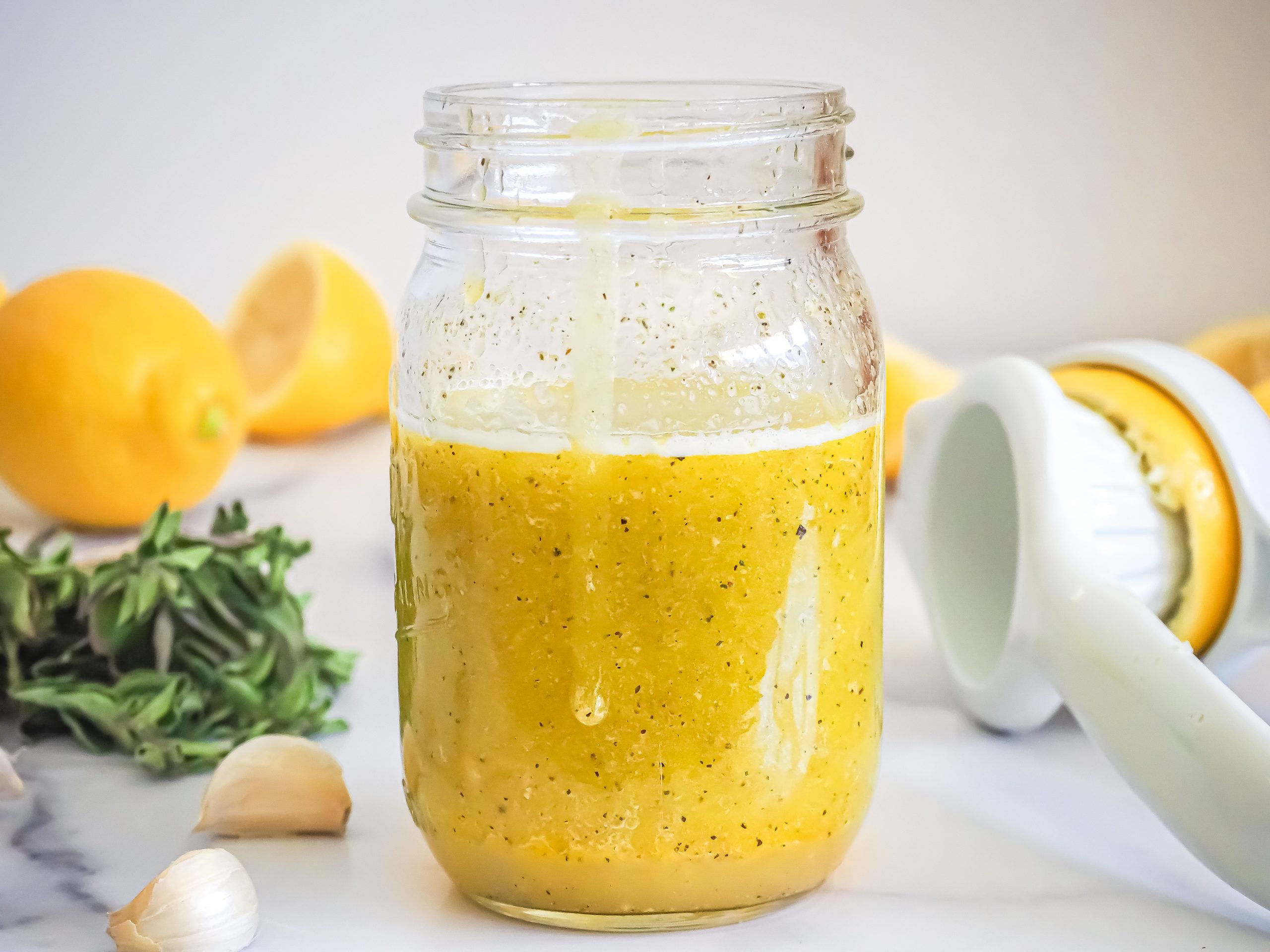
To make a simple vinaigrette, whisk three parts lemon juice with four parts olive oil, and add Dijon mustard, minced garlic, a touch of honey or maple syrup, and salt to taste.
Try these meal ideas:
- Gluten-Free Pasta with Brussels Sprouts, Lemon, and Ricotta
- Creamy Lemon-Basil Spaghetti Squash with Shrimp
- Lemon-Rosemary Chicken with Roasted Broccolini
The takeaway
Some people claim that a blend of olive oil and lemon juice can aid digestion, detoxify the body, reduce joint pain, promote healthy aging, or treat gallstones.
However, scientific support for these assertions is limited, and the combination does not appear to amplify the individual health benefits of each ingredient.
That said, certain components of olive oil and lemon juice have documented, research-supported benefits, and the duo makes a flavorful addition to cooking.
Use them as part of a balanced diet, and consult your healthcare provider for personalized advice.





















Leave a Reply
You must be logged in to post a comment.