
Overview
Seasonal allergies can strike in late winter, during spring, or even in late summer and autumn. You might only suffer occasionally when a particular plant blooms, or you could endure persistent symptoms throughout certain seasons.
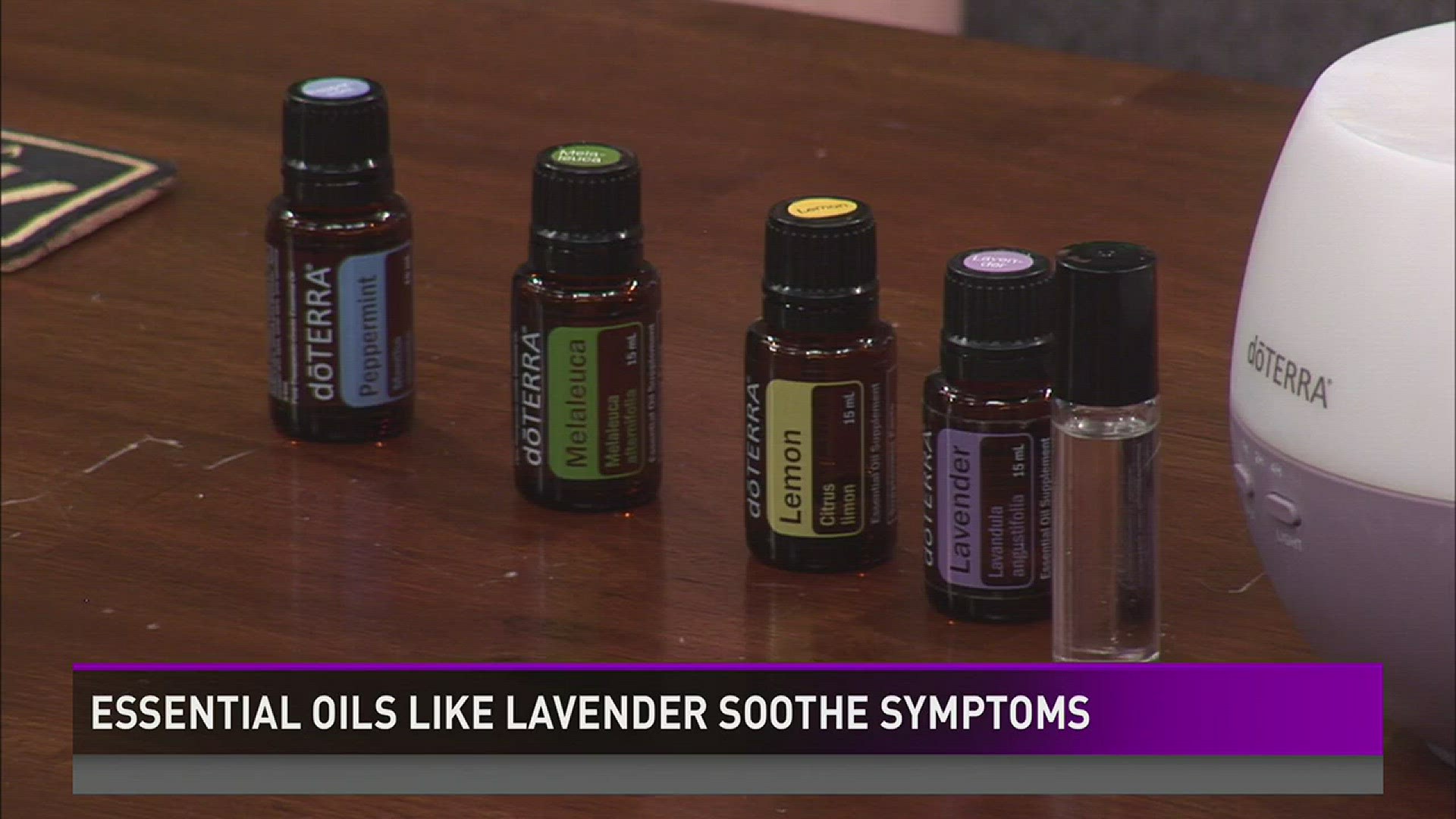
Essential oils are sometimes used as an alternative or complementary approach to ease allergy signs. They come from plants and can be employed in multiple ways. Common methods for using essential oils include:
- diffusing them into the atmosphere
- adding them to bath and spa products
- applying them topically after dilution
- spritzing them into the air
- inhaling them directly from the bottle
Inhaling the aroma of these oils is called aromatherapy. This technique activates your body through your sense of smell, and scents can influence various bodily responses.
Similar to inhalation, topical application allows the oils to enter the bloodstream. Always dilute essential oils before putting them on your skin.
A carrier oil, for example sweet almond oil or olive oil, is useful for dilution. A typical ratio is about 5 drops of essential oil per 1 ounce of carrier oil.
Although the research backing essential oils is limited, studies are emerging. When used carefully, aromatherapy with essential oils may offer relief.
If you’re interested in using essential oils to help with allergy symptoms, below are several to consider.
1. Lavender
Lavender is a well-liked essential oil because of its versatile benefits.
It may ease allergy symptoms by calming and diminishing inflammation. One study found that lavender essential oil can prevent allergic inflammation and the enlargement of mucus-producing cells.
Use lavender in a diffuser for aromatherapy or dilute it in a carrier oil and add a little to your bath.
2. Blend of sandalwood, frankincense, and Ravensara oil
A study examined a combination of sandalwood, frankincense, and Ravensara oils for perennial allergic rhinitis. Participants reported improvements in nasal blockage, runny and itchy noses, and sneezing.
This indicates the blend may help perceived symptoms, allergy-related quality of life, and sleep quality.
To use these oils, mix them with a carrier oil (such as sweet almond oil) for topical application or diffuse them into the air.
3. Eucalyptus
Eucalyptus oil is noted for its anti-inflammatory qualities and may help relieve congestion. The cool sensation when inhaled can offer a sense of comfort during allergy episodes.
Researchers are starting to clarify how eucalyptus aromatherapy reduces inflammation, which may help ease allergic signs.
Try diffusing eucalyptus or inhaling it from the bottle for symptom relief.
Despite its anti-inflammatory effects, eucalyptus can cause allergic reactions in some individuals.
4. Tea tree oil
Although more research is needed on essential oils and allergy relief, tea tree oil might help mitigate symptoms.
This oil is recognized for its anti-inflammatory properties. However, tea tree oil can also provoke allergies, so perform a patch test before using.
Tea tree oil is toxic if swallowed. Never ingest essential oils.
5. Peppermint
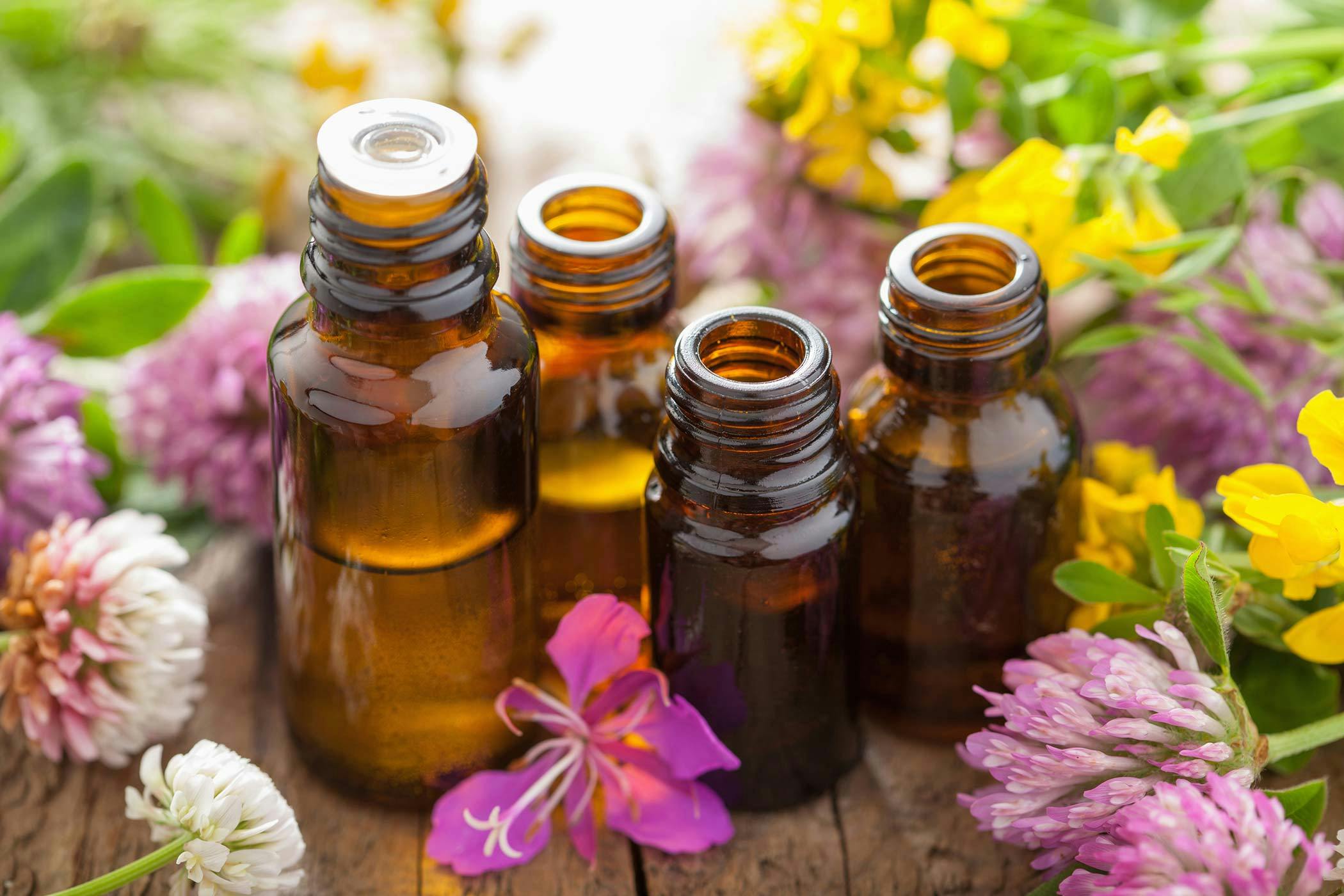
Peppermint essential oil is known to reduce inflammation. Diffusing it or applying it topically after dilution with a carrier oil can help you breathe more easily.
Combining peppermint with lavender and lemon oils makes an effective and calming mix for allergy relief. Keep in mind, however, that blends can raise the risk of an allergic reaction. Also, citrus oils can increase sun sensitivity.
6. Lemon
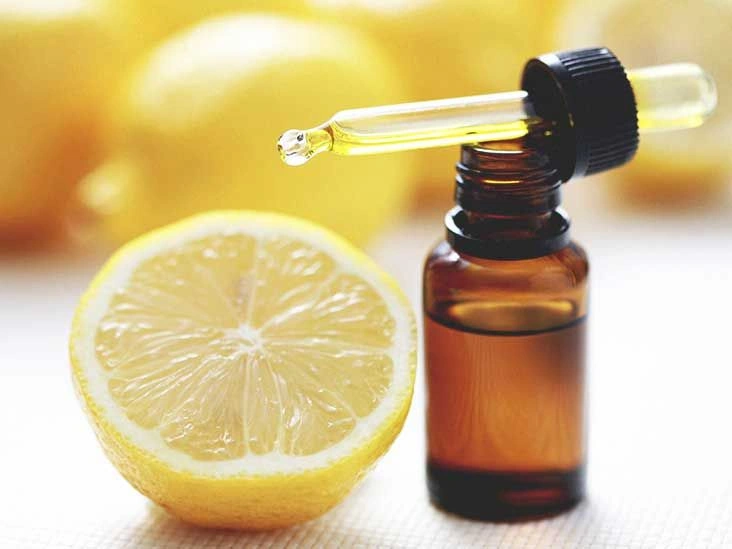
Citrus oils are often used in aromatherapy to boost alertness and energy. Lemon essential oil may also help clear nasal passages and reduce congestion—common issues with seasonal allergies.
Avoid exposing skin treated with lemon or other citrus oils to sunlight or tanning beds. Consider diffusing lemon oil to improve mood, or dilute and apply it to the skin to help with symptoms.
Risks and potential complications of using essential oils
Essential oils carry risks. The U.S. Food and Drug Administration does not regulate the purity, quality, or labeling of essential oils. Use them as directed and choose reputable products.
If you have multiple allergies or are highly sensitive to chemicals, essential oils may provoke additional allergic responses. Consult your healthcare provider before starting any essential oil regimen.
Keep the following guidelines in mind when using essential oils:
- You may react allergically to oils, so introduce them cautiously. Test a diluted oil on intact skin (such as the forearm). If no reaction occurs within 24 hours, it’s likely safe. Patch-test each new oil, especially if you have allergies.
- Never apply undiluted oil directly to the skin. Always dilute in a carrier oil first.
- Do not ingest essential oils.
- Exercise caution with essential oils around pregnant and breastfeeding individuals and children, particularly young children.






















Leave a Reply
You must be logged in to post a comment.