
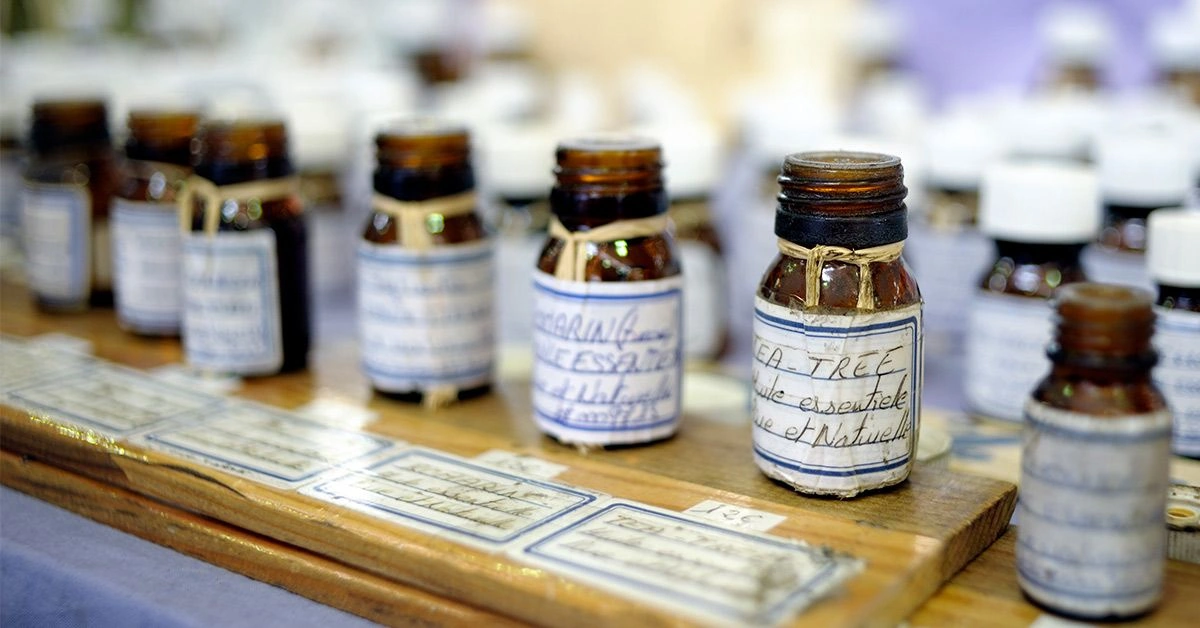
For ages, spikenard has been employed for ceremonial, beauty, and health-related uses.
Though it may not be as familiar as oils like lavender or frankincense, spikenard essential oil is an age-old remedy often credited with anti-inflammatory and antibacterial effects.

With a scent that blends earthy and musky notes, spikenard essential oil has long been valued as a distinctive perfume.
Whether you enjoy spikenard for its aroma or its role in religious rites, more research is required to confirm the medicinal claims made by alternative practitioners. Below, we summarize what is currently known about spikenard.
Spikenard essential oil benefits
A brief online search will turn up numerous alleged health benefits attributed to spikenard essential oil.
As a plant related to valerian, spikenard may support mood and emotional well-being. Studies have also indicated that spikenard essential oil can lessen neuroinflammation, which might be helpful for conditions such as:
- anxiety
- depression
- insomnia
- stress
Spikenard essential oil is additionally reported to possess anti-inflammatory and antibacterial traits, which proponents say may aid with:
- fungal infections, like athlete’s foot
- dandruff
- muscle and menstrual pains
- joint discomfort
- migraine
- digestive problems, such as constipation
- pancreatitis
However, a key issue with many of these assertions is that they’re not always tied directly to spikenard essential oil itself.
Some findings are from animal research, while others relate to different plants such as valerian or lavender. Limited research may also stem from the fact that spikenard has been overharvested and is considered endangered.
One study examining spikenard’s antibacterial properties shows some encouraging results.
Another paper reported that spikenard essential oil was most active against a bacterium called Legionella. Still, these laboratory findings need confirmation in human studies before spikenard essential oil can be regarded as a reliable antimicrobial.
Are there any differences between types of the plant?
There are actually several spikenard varieties, though it’s unclear if one is medicinally superior to another.
Common types of spikenard include:
- American spikenard, native to eastern areas of the United States and Canada
- Indian spikenard
- Japanese spikenard
- Himalayan spikenard
You might also see the oil sold under its scientific names: Nardostachys jatamansi or Valerianaceae.
Spikenard originates from Asia and is regarded as endangered due to overharvesting.
Spikenard essential oil spiritual uses
Although spikenard isn’t as prominent as other essential oils today, it was treasured in ancient Greek, Egyptian, and Roman societies for its aroma and was used medicinally in those cultures.
Spikenard also carries religious meaning, especially within Islam and Christianity, and its flowers continue to be used in certain ceremonial practices.
Spikenard oil side effects
Because spikenard oil has not been extensively studied in humans, there’s limited data about its possible adverse effects.
Essential oils, despite being plant-derived, are concentrated substances that can be as potent as pharmaceutical agents.
As a result, these oils can cause the following reactions when applied to the skin:
- itching and irritation
- hives and rashes
- skin redness
- boils
- peeling skin
- inflammation
The primary benefits of aromatherapy often come from inhaling an oil’s scent molecules. When practicing aromatherapy, be mindful of pregnant people, children, and pets who might also inhale the oil and could be sensitive. Some essential oils are toxic to certain individuals or animals.
How to use spikenard essential oil
Spikenard essential oil is perhaps best appreciated for its fragrance, making it a good candidate for aromatherapy and inhalation. Below is an outline of its uses and applications.
Aromatherapy
Aromatherapy uses an essential oil’s scent to support mental and physical wellness.
Using a diffuser is one of the simplest ways to benefit from aromatherapy. A diffuser disperses essential oils, like spikenard, into the air using cool mist. Other methods include:
- inhaling directly from the bottle
- mixing with water and spraying on fabrics
- applying in a compress
- using during massage
Spikenard oil massage
Spikenard oil can be incorporated into deep tissue massage. Ask your massage therapist to dilute the oil and apply it to targeted areas or use it throughout the session for an aromatic enhancement.
Bath oil
Spikenard oil is also suitable for a luxurious, scented bath.
To prepare, combine several drops of spikenard with a tablespoon of carrier oil, then add the mixture to warm running bathwater. Adjust the amount to your preference.
Use a bathmat to reduce the risk of slipping on any oil residue in the tub.
Avoid applying undiluted spikenard oil directly onto the skin.
Topical spikenard oil
Although evidence is limited, spikenard oil is sometimes used topically for issues like inflammation and infection.
Never apply the oil neat; always dilute a few drops of essential oil into a tablespoon of carrier oil.
Perform a patch test one to two days before broader application. Apply the diluted oil to a small, less visible area and wait a day to check for irritation.
Precautions
Spikenard essential oil is readily available without a prescription, but certain precautions are recommended.
Use spikenard only topically, as a fragrance, or in aromatherapy. Do not ingest spikenard oil or apply it near your eyes.
Allergic reactions can occur. If you develop an allergy to spikenard essential oil, discontinue use and consult a healthcare provider if symptoms worsen.
To lower the chance of skin irritation, always dilute the oil appropriately.
If you are pregnant or breastfeeding, talk to your doctor before using spikenard oil. Do not give essential oils to children.
Where to get spikenard essential oil
Choose a spikenard essential oil brand that is ethically sourced and 100% pure.
Ask an alternative health practitioner if they sell the oil, visit a natural health store, or shop for spikenard oil products online.
Takeaway
As a revered plant in ancient and religious traditions, spikenard is perhaps most fitting for aromatherapy, where it may lift the mood.
Although some advocate for spikenard oil’s use against inflammation and infection, consult a physician before applying it to your skin.





















Leave a Reply
You must be logged in to post a comment.