
Feeling vertigo after air travel can arise from multiple factors. Shifts in cabin pressure, disorders of the inner ear, and contributors like not drinking enough fluids are a few potential triggers.
Vertigo is the misleading perception that you or your surroundings are in motion. Many people report sensations of swaying or tilting. In more intense cases, vertigo can make it hard to maintain your balance.
Vertigo results from disturbances in the inner ear or the central nervous system (CNS). These parts of the body regulate balance. When they are disrupted, they may send faulty signals to the brain that produce vertigo.
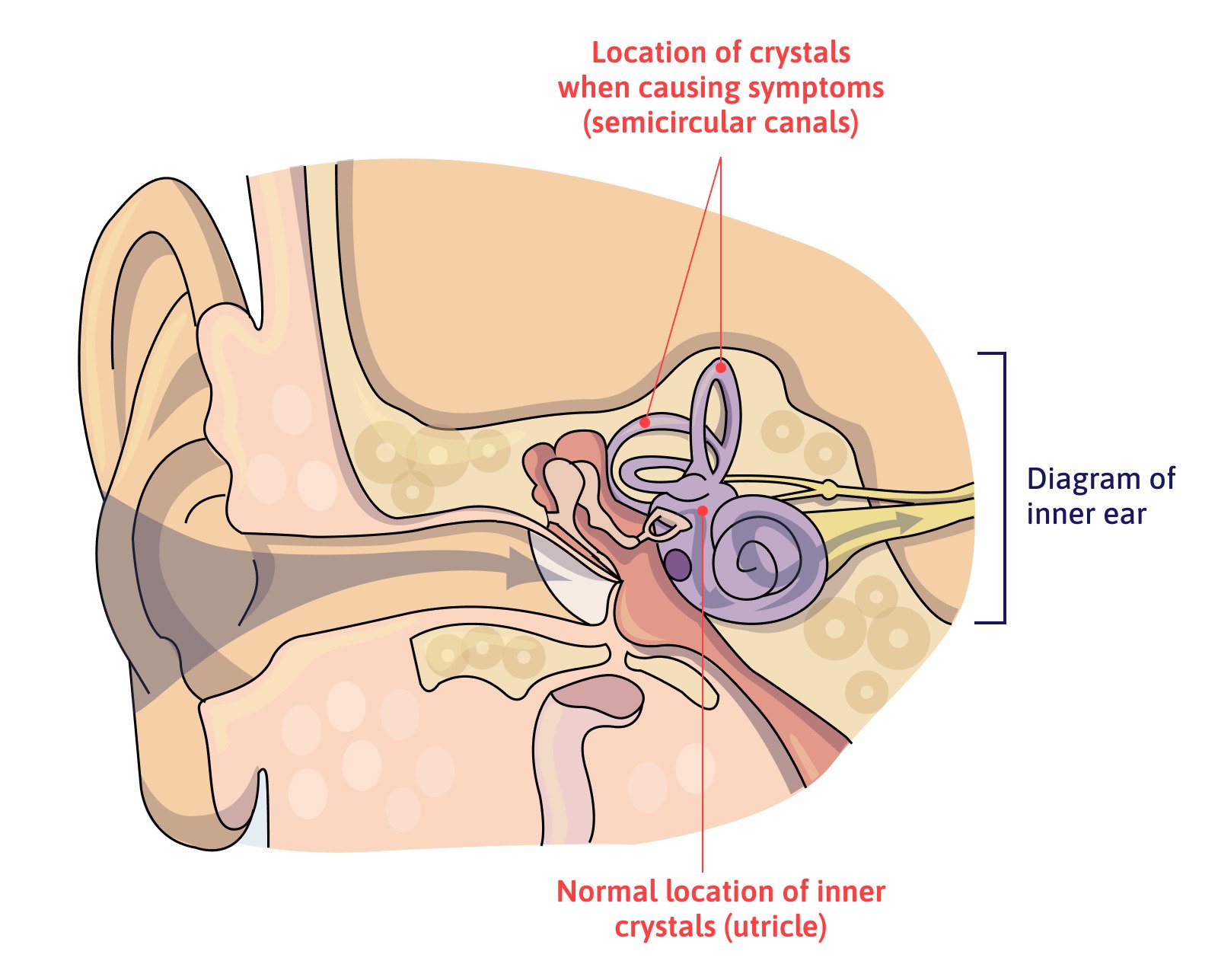
Certain circumstances can provoke vertigo even if you don’t commonly experience it. Flying, for instance, exposes you to significant alterations in air pressure. This can impact ear structures or aggravate existing vestibular (inner ear) disorders.
For some travelers, flying also brings stress, dehydration, and tiredness.
Symptoms of vertigo after a flight
Vertigo following a flight can present differently from person to person. Common descriptions include feelings of:
- tilting
- swaying
- spinning
- dizziness
- falling
- whirling
- rocking
- floating
- disorientation
You might also experience motion-sickness symptoms such as:
- nausea
- vomiting
- excessive sweating
- headache
In what ways can flying provoke vertigo?
A primary contributor to post-flight vertigo is the variation in air pressure. As you ascend, the ambient air pressure drops.
Your vestibular apparatus depends on balanced pressure to preserve orientation and equilibrium. If atmospheric pressure shifts faster than your ear structures can adapt, an imbalance can occur that triggers vertigo.
Pressure fluctuations during flight can do more than disrupt your inner ear’s balancing function. They can sometimes harm the ear itself. This condition, often called barotrauma or “airplane ear,” stems from inflammation of the eardrum.
Pressure changes can also worsen pre-existing vestibular or CNS disorders, including:
- Meniere’s disease
- Mal de debarquement syndrome
- labyrinthitis
- acoustic neuroma
- autoimmune ear disease
- vestibular migraine
- anatomical differences in ear structure
- ear infections
Other flight-related contributors
While pressure changes are a main factor in post-flight vertigo, additional influences can contribute.
This includes conditions that air travel can provoke, such as:
- Stress: Air travel can be anxiety-inducing, which may exacerbate symptoms of existing disorders like Meniere’s disease and provoke vertigo.
- Fatigue and dehydration: When you’re dehydrated, body fluid volumes can fall, affecting blood circulation, inner ear fluids, and electrolyte balance. Tiredness can heighten feelings of weakness and instability, worsening symptoms.
- Sensations of movement: For some individuals, vertigo stems from feeling motion without a stable visual horizon. When your perception of movement lacks a fixed reference, a sensory conflict can create dizziness.
Managing vertigo after a flight
Treatment for vertigo after flying depends on the root cause. Many mild instances don’t need medical intervention and can be handled by:
- replenishing fluids
- resting in a calm, comfortable environment
- sitting or lying with your head still
- practicing deep, steady breaths
- making slow, deliberate movements
- using ginger or other anti-nausea remedies to ease motion sickness
If vertigo continues after a flight despite self-care, consulting a physician may be useful. They can exclude other causes.
How long does post-flight vertigo last?
The duration and intensity of vertigo after flying depend on the underlying factor.
Alternobaric vertigo, the variety tied to changing atmospheric pressure, typically clears up within a few minutes once ear pressures equalize. Vertigo resulting from other issues, such as inner ear damage called barotrauma, can last for days, weeks, or months after flying.
Substantial injury or inflammation from pressure changes, along with pre-existing conditions, can all lead to prolonged vertigo.
When to consult a doctor
For many people, vertigo is temporary and benign. For others, it may signal a more serious health issue. It’s always reasonable to talk to a doctor about it.
Seek urgent medical attention if your vertigo hasn’t eased a few hours after flying or if it comes with other major symptoms like:
- severe ear pain
- persistent vomiting
- fever
- inability to stand or walk
- frequent falls
- hearing loss
- difficulty speaking
- visual problems
- weakness or numbness in parts of the body
- confusion
Summary
Vertigo after air travel can stem from many causes. Flying exposes you to rapid atmospheric pressure shifts and can be accompanied by stresses such as dehydration and fatigue.
If vertigo doesn’t subside within a few hours after flying or is paired with severe symptoms, consulting a healthcare professional can help identify any underlying medical conditions.























Leave a Reply
You must be logged in to post a comment.