
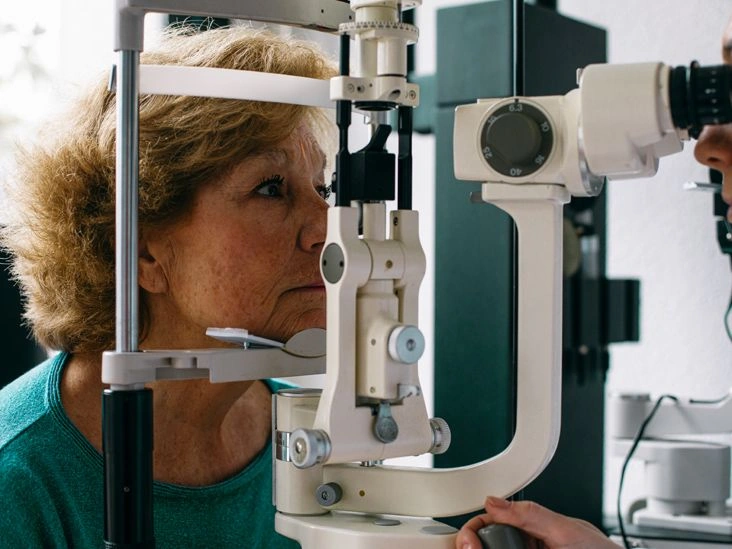
At present, the sole effective remedy for cataracts is surgical removal. That said, a clinician may advise postponing the operation if your symptoms aren’t significantly disrupting daily activities like driving.
A cataract develops when the eye’s natural lens turns cloudy, producing blurred vision. This cloudiness can result from damage to the lens proteins or to the eye’s surface tissues.
While several factors contribute, aging and ultraviolet (UV) damage from sunlight are among the most frequent causes.
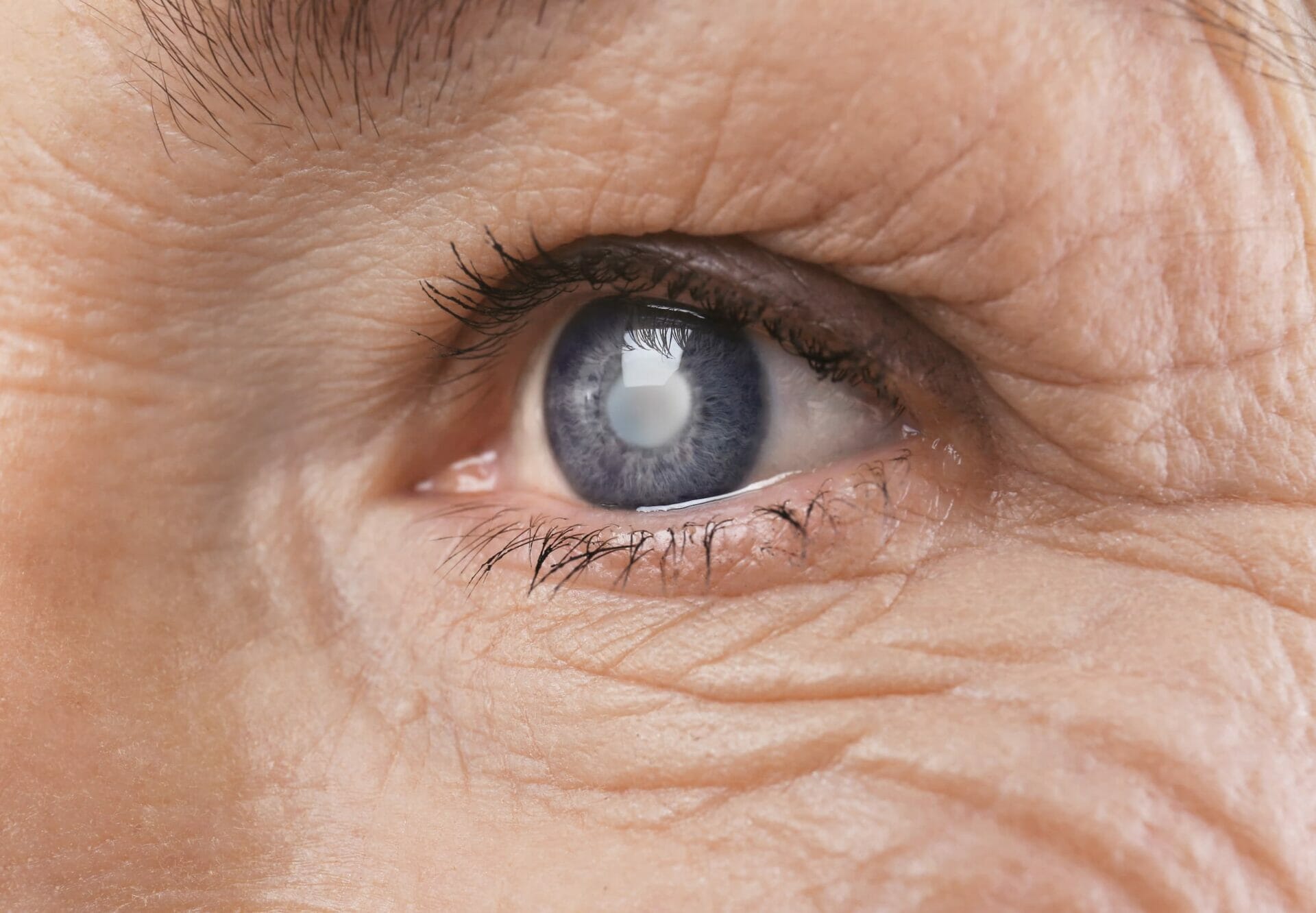
Surgery remains the only proven method to eliminate cataracts and restore clear vision; there is no alternative treatment available that reverses cataract-related clouding.
Below, learn when a clinician might recommend surgery for cataracts and what steps you can take to help prevent them from forming or progressing.
Is there a non-surgical option for cataracts?
Currently, no reliable non-surgical treatment exists to cure cataracts. Nevertheless, immediate surgery isn’t always necessary.
Your eye care provider may suggest deferring surgery unless your symptoms are impairing daily life — for example, making it unsafe to drive or difficult to perform work tasks.
In the early stages, they may recommend symptom-management strategies such as:
- updating your prescription for eyeglasses or contact lenses
- scheduling annual eye checks to track any progression
- using stronger lighting to improve visibility
- wearing sunglasses that reduce glare
An eye care professional can advise whether cataract surgery is appropriate for your situation.
What are the risks of skipping cataract surgery?
If left untreated, cataracts can result in progressive vision loss. Initially, you may not perceive changes, but as damaged proteins accumulate, the lens can become increasingly opaque.
The World Health Organization reports that cataracts are the main cause of vision impairment globally. Approximately 2.2 billion people worldwide experience vision problems, and in nearly half of these cases the impairment was avoidable or remains untreated.
How cataract surgery is performed
Typical cataract surgery takes about 30 to 45 minutes.
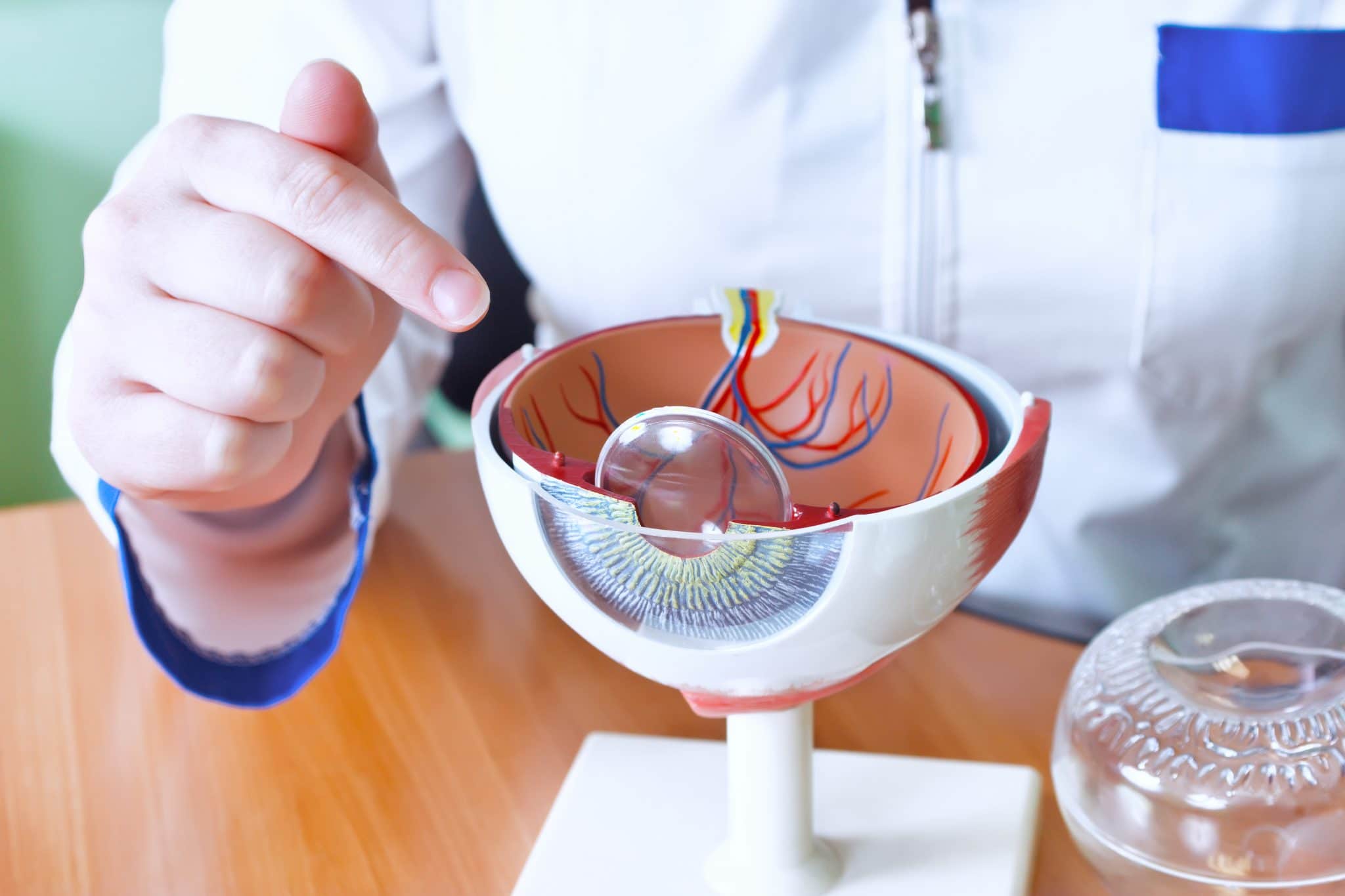
Surgeons use a local anesthetic to numb the eye, then remove the clouded lens and replace it with an artificial plastic intraocular lens. You remain awake during the procedure but should not feel pain.
It’s common to experience some blurring immediately after the operation, so arrange for someone to drive you home.
Most people notice symptom improvement over the following weeks.
Can cataracts be prevented?
There’s no guaranteed method to stop cataracts from forming or to slow their progression. Still, good eye care can lower your risk.
Here are several measures that may reduce your chance of developing cataracts:
- Shield your eyes from sunlight: Wearing sunglasses and hats with wide brims can reduce UV exposure and help prevent sun-related damage.
- Prevent eye injuries: Traumatic cataracts can arise from blunt force or penetrating injuries. Use appropriate eye protection when doing tasks that risk foreign objects or impact, such as operating power tools.
- Limit alcohol:Reducing or avoiding alcohol intake can be beneficial, as heavy alcohol use is associated with an increased cataract risk.
- Eat a nutrient-rich diet: A balanced diet supports eye health. Consider more leafy greens, legumes, and citrus fruits to supply vitamins and antioxidants that help protect vision.
- Stop smoking: Smoking raises the likelihood of cataracts. If you smoke, consider quitting — resources such as 1-800-QUIT-NOW (1-800-784-8669) offer free support to help you quit.
If you already have cataracts, following these steps may help prevent further deterioration.
Frequently asked questions
How can I prevent my cataracts from worsening?
You can slow cataract progression by protecting your eyes from UV light, eating a healthy diet rich in antioxidants, and avoiding smoking and excessive alcohol consumption.
You can slow cataract progression by protecting your eyes from UV light, eating a healthy diet rich in antioxidants, and avoiding smoking and excessive alcohol consumption.
Is it safe to postpone cataract surgery?
Your eye doctor may advise postponing surgery if your symptoms aren’t significantly impacting daily life.
Your eye doctor may advise postponing surgery if your symptoms aren’t significantly impacting daily life.
The bottom line
At present, surgery is the only established treatment for cataracts. However, doctors may suggest delaying the procedure unless vision problems are disrupting everyday activities such as driving.
In early-stage cataracts, they often recommend symptom management strategies, like using brighter lighting, while monitoring the condition.























Leave a Reply
You must be logged in to post a comment.