

Lump on top of your foot
If you’ve spotted a lump on the upper part of your foot, you probably did a brief check and wondered about things like:
- Is it tender?
- Does it feel soft or firm?
- Is the skin color different there?
- Have you recently injured that spot?
Several different conditions can produce a bump on the top of your foot. A simple visual and tactile check can help narrow down the likely cause.
Below are nine potential explanations, arranged alphabetically.
1. Bone spur
A bone spur that projects from a joint on the top of the foot is often called a dorsal boss, dorsal exostosis, or tarsal boss. It’s an excess growth of bone tissue.
Bone spurs commonly form when the body lays down extra bone while trying to mend damage from repeated stress or prolonged pressure on a bone.
While bone spurs can develop on any bone, they’re most commonly found near joints and frequently result from joint damage linked to osteoarthritis. For related information, see bone spur on top of foot.
2. Bursitis
Bursae are small fluid-filled sacs that reduce friction between bone, tendons, muscle, and skin around joints. Bursitis happens when one of these sacs becomes inflamed. It can limit motion and produce pain.
Bursitis may occur in various parts of the body, including at the base of the big toe where it meets the foot. Symptoms often resolve within a few weeks and can be managed by resting the area, applying ice, and, if necessary, using over-the-counter nonsteroidal anti-inflammatory medicines such as ibuprofen or aspirin.
See your doctor if:
- the bursitis hasn’t improved after two weeks
- your pain intensifies
- you notice excessive swelling around the site
3. Cutaneous horn
Cutaneous horns are uncommon growths usually found on the face, neck, or shoulders, but they can occasionally appear on the foot.
These protrusions consist of keratin, the protein in the outer layer of skin. Their rough, conical shape gives them the horn-like name.
Because a cutaneous horn can sometimes signal skin cancer, seek medical attention if you suspect one. Contact your doctor if you notice:
- redness or inflammation around the lesion
- rapid enlargement
- the base becoming hardened
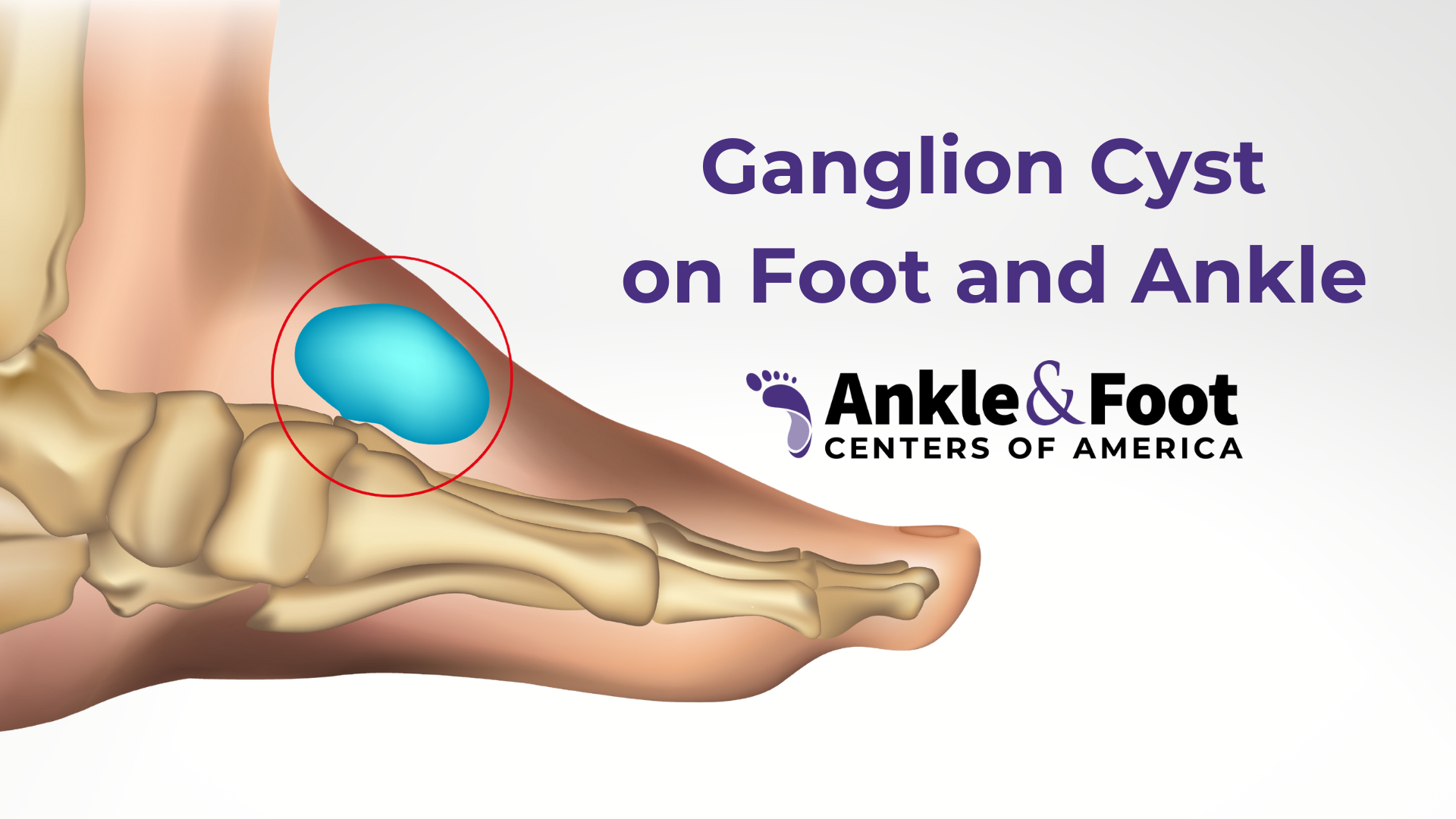
4. Ganglion cyst
Ganglion cysts are fluid-filled lumps with a jellylike consistency. Sizes vary from barely noticeable to more than an inch across. They are benign.
Some people have no symptoms, while others experience:
- tingling around the area
- numbness
- restricted movement
Ganglion cysts can sometimes resolve on their own, but you might choose removal. A doctor can excise the cyst surgically or aspirate the fluid with a needle.
5. Gout
Gout results from uric acid crystals building up in a joint, producing swelling and inflammation—commonly around the base of the big toe. Attacks often start suddenly and cause intense pain and burning.
Diagnosis may involve blood tests, X-rays, or ultrasound. Treatment typically includes medication, and lifestyle adjustments—such as dietary changes and quitting smoking—can help control symptoms.
6. Hallux rigidus
Hallux rigidus is an arthritic condition affecting the base of the big toe when cartilage is damaged or lost. It most often appears between ages 30 and 60 and causes pain and stiffness when walking or inability to flex the big toe.
Treatment options include soaking the feet (alternating warm and cold water) and wearing shoes that prevent the big toe from bending. If the condition progresses, surgery may be considered.
7. Lipoma
If a lump beneath the skin is soft, movable, and easily shifted with a fingertip, it may be a lipoma. Lipomas are benign fatty tissue growths that can occur anywhere, including the top of the foot.
Your doctor can diagnose a lipoma via physical exam or biopsy. Because they’re usually harmless, many lipomas are left alone; if needed, they can be removed surgically.
8. Rheumatoid nodules
People with rheumatoid arthritis may develop firm lumps beneath the skin called rheumatoid nodules. They can range from pea-sized to walnut-sized and typically appear near joints affected by the arthritis. They’re usually painless unless they press on a nerve or become inflamed.
If nodules don’t shrink with rheumatoid arthritis treatments like DMARDs (disease-modifying antirheumatic drugs), your doctor may offer alternative therapies, such as steroid injections directly into the nodules. Surgical removal might be recommended if nodules significantly impede joint use or become infected.
9. Sebaceous cyst
Sebaceous cysts are benign closed sacs beneath the skin caused by blocked glands or inflamed hair follicles. They most commonly appear on the face or neck but can also develop on the foot.
If a sebaceous cyst causes problems—such as irritation from footwear—your doctor may inject it with a steroid or surgically remove it.
Takeaway
A bump on the top of your foot can arise from various conditions, including a bone spur, ganglion cyst, bursitis, gout, or a sebaceous cyst.
While many of these issues may not require intervention, some need treatment. A lump on the top of your foot can signal an underlying problem.
A medical professional can determine the exact cause of your lump and recommend suitable treatment options.




















Leave a Reply
You must be logged in to post a comment.