
Although both conditions can lead to overlapping symptoms, hemorrhoids and polyps are fundamentally different in their origin and where they occur.
Hemorrhoids are enlarged veins located in the lower rectum and around the anus, usually resulting from straining or increased pressure in that region.
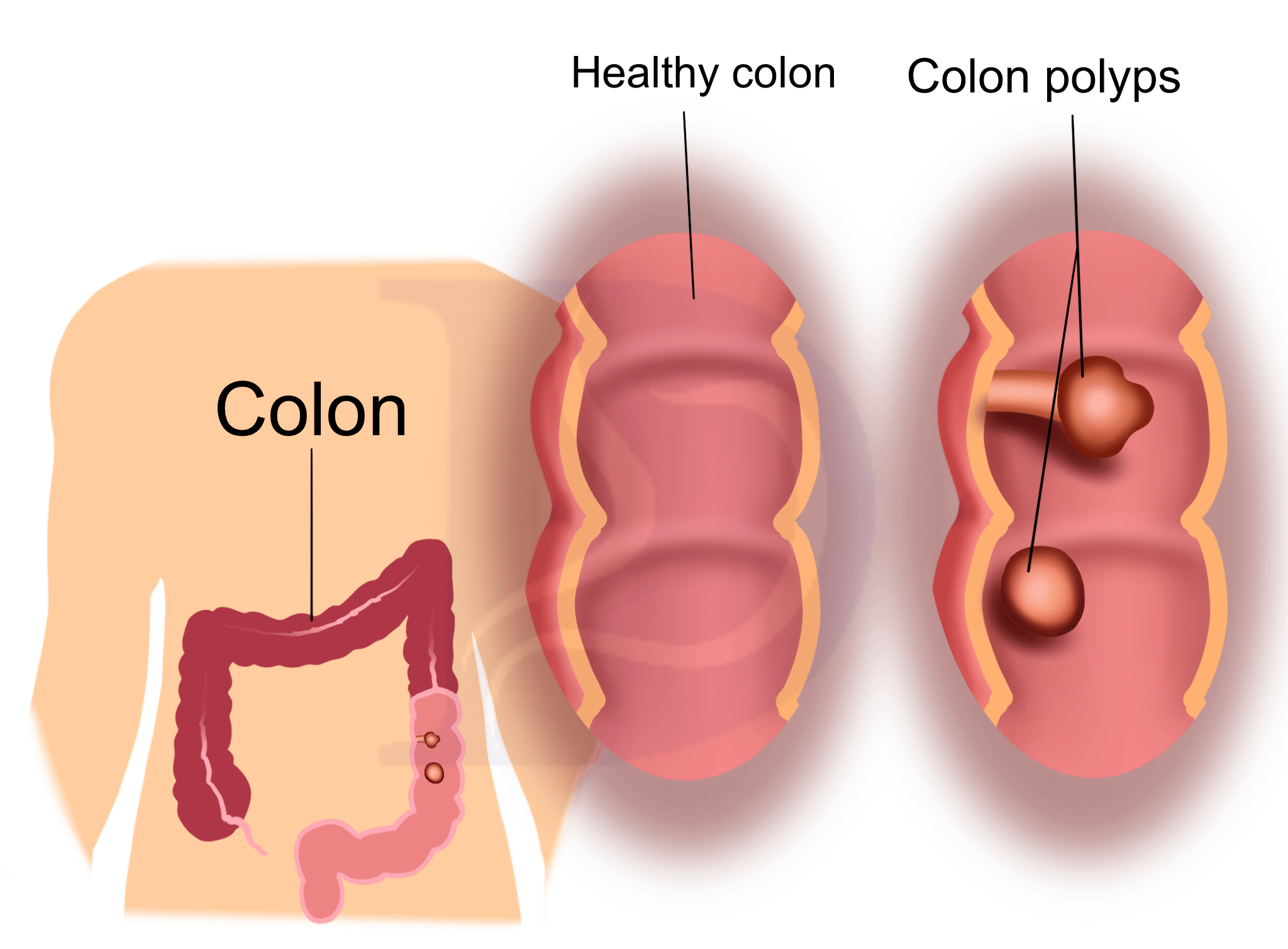
Polyps are abnormal tissue protrusions on the lining of the colon or rectum that have the potential to progress to colorectal cancer. They are often associated with hereditary predispositions and lifestyle choices, including diet.
This piece contrasts hemorrhoids and polyps, outlining how they differ in signs, causes, risk elements, diagnosis, and treatment options.
Symptoms: Hemorrhoids vs. Polyps
While hemorrhoids and polyps can both cause rectal bleeding and other similar complaints, each condition has distinguishing features.
Symptoms of hemorrhoids
Hemorrhoids develop when veins in the lower rectum and anus become swollen and irritated. Symptoms may differ based on whether they are internal or external, but typical signs include:
- bleeding from the rectum
- intense itching or irritation around the anal area
- pain or discomfort, particularly during bowel movements or when seated
- visible swelling around the anus
- a tender lump near the anus that can be painful
Symptoms of polyps
Polyps are unusual growths on the colon or rectal lining. They frequently produce no symptoms, but larger polyps may lead to:
- blood in the stool or rectal bleeding
- changes in bowel patterns, such as constipation or diarrhea
- abdominal discomfort
- mucus mixed with stool
What causes hemorrhoids and polyps?
Although diet and behavior can affect both conditions, the root causes of hemorrhoids and polyps are distinct.
Causes of hemorrhoids
Hemorrhoids arise from excessive pressure on the veins in the lower rectum and anus, commonly due to:
- prolonged sitting on the toilet
- obesity
- chronic diarrhea or constipation
- straining during bowel movements
- pregnancy
- a diet low in fiber
- frequent heavy lifting
Causes of polyps
Polyps form when cells lining the colon or rectum grow abnormally because of genetic changes or external influences. These alterations can occur randomly or be linked to conditions like inflammatory bowel disease (IBD).
Who is more likely to get hemorrhoids or polyps?
Certain circumstances raise the chance of developing hemorrhoids versus polyps.
Risk factors for hemorrhoids
Factors that heighten the risk of hemorrhoids include:
- constipation
- pregnancy and childbirth
- excess body weight
- leading a sedentary lifestyle
Risk factors for polyps
Risk elements for polyps include:
- a personal or family history of polyps or colorectal cancer
- inherited syndromes such as Gardner’s or Lynch syndrome
- being older than 50
- eating a diet low in fiber and high in fat
- tobacco use
- heavy alcohol consumption
When should you see a doctor?
Seek medical attention if you notice any of the following:
- ongoing rectal bleeding
- intense rectal pain or discomfort
- lasting changes in bowel habits for more than a week
- unexplained weight loss
- a lump or swelling near the anus
- visible blood in stool or black, tarry stools
Prompt evaluation and management can help avoid complications such as anemia from chronic bleeding, anal fissures, or progression to colorectal cancer.
How doctors diagnose hemorrhoids and polyps
For hemorrhoids, clinicians usually begin with a physical inspection, checking for swollen veins around the anus. A digital rectal exam may be performed to assess internal hemorrhoids beneath the skin.
For polyps, evaluation typically starts with a symptom review and medical history. Physicians often recommend a colonoscopy to examine the colon and rectum directly for abnormal growths.
During a colonoscopy, a flexible tube with a camera is used to visualize and potentially remove polyps. Alternatives may include a barium enema or CT colonography, which are specialized imaging tests of the colon and rectum.
Additional testing can be necessary for both conditions. Hemorrhoids may be evaluated with an anoscopy to inspect the anal canal. For polyps, stool tests or biopsy samples taken during colonoscopy can be used to check for malignant cells.
Treatment options for hemorrhoids and polyps
Management depends on the condition and its severity. Both offer various approaches to relieve symptoms and reduce risks.
Treating hemorrhoids
Approaches for hemorrhoids may include:
- Diet and toilet habits: Increasing fiber, drinking adequate fluids, and avoiding straining can lower pressure on rectal veins.
- Over-the-counter remedies: Creams, ointments, suppositories, and pain relievers can help ease swelling and discomfort.
- Warm soaks: Sitz baths or warm water soaks for 10–15 minutes several times a day can soothe irritation and reduce swelling.
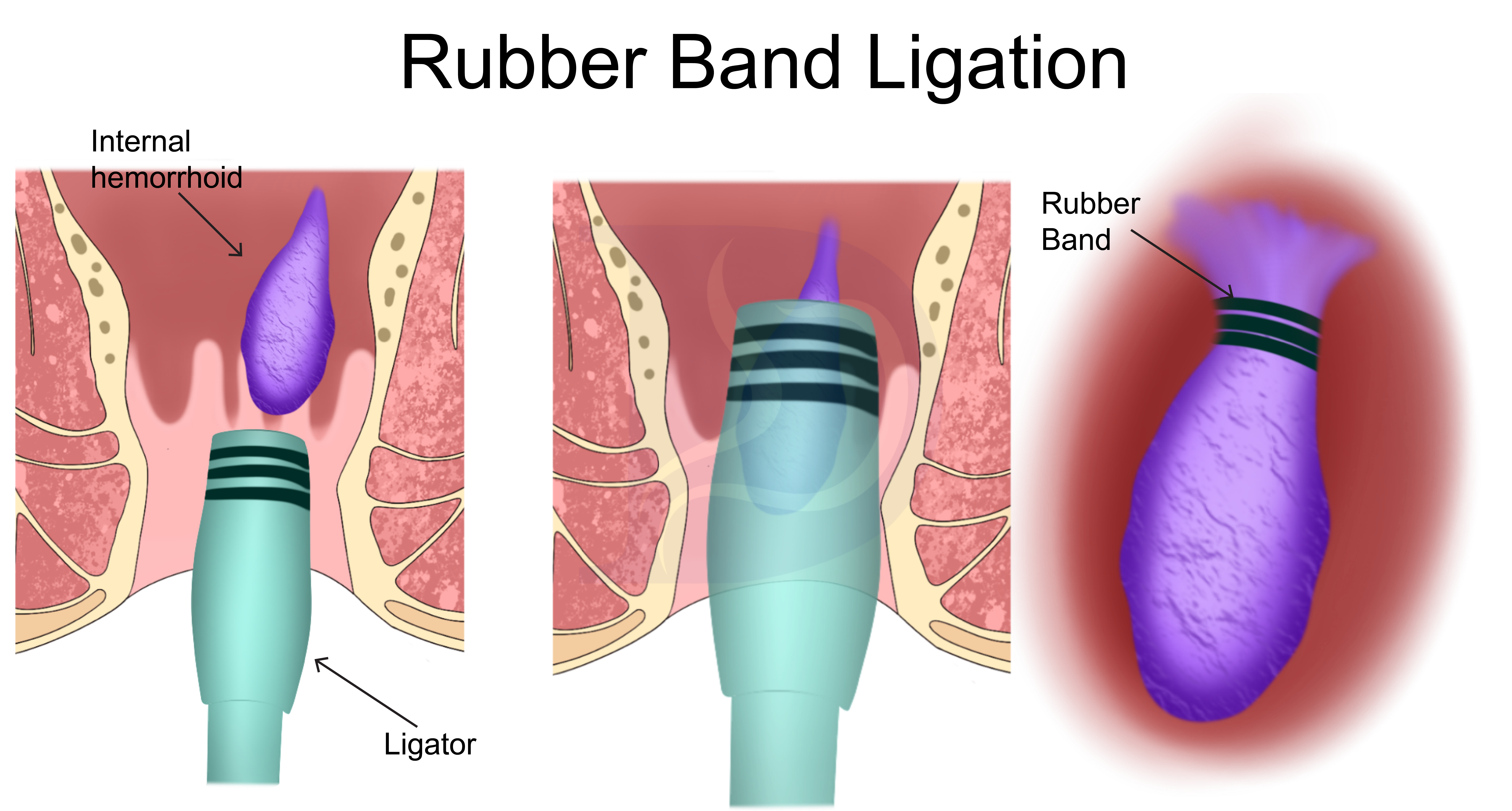
- Procedures: If conservative measures fail, treatments like rubber band ligation, sclerotherapy, or surgical excision may be advised for persistent or severe hemorrhoids.
Treating polyps
Standard treatment for colorectal polyps is removal during colonoscopy. If polyps are large or not removable endoscopically, surgery—often minimally invasive, such as laparoscopy—may be necessary.
When a polyp is cancerous, further therapies like chemotherapy or radiation might be recommended depending on the stage and pathology of the tumor.
Can you prevent hemorrhoids or polyps?
Complete prevention isn’t always possible, but there are steps to lower your risk for both conditions:
- consume a high-fiber diet to avoid constipation and reduce straining
- stay well-hydrated to keep stools soft and reduce constipation risk
- exercise regularly to support healthy bowel function
- avoid prolonged sitting, particularly on the toilet
- maintain a healthy weight to decrease pressure on rectal veins
Common questions about hemorrhoids and polyps
Here are answers to some frequently asked questions about these conditions.
Can you feel polyps with your finger?
In most cases, polyps cannot be detected by touch. Physicians usually identify polyps during colonoscopy, though a digital rectal exam might detect rectal polyps in some cases.
Can polyps protrude from the anus?
Large polyps can protrude through the anus, but when polyps reach that size they are more likely to be malignant. A 2018 case report described an adenomatous polyp that was expelled during defecation.
Is it possible to have hemorrhoids and polyps simultaneously?
Yes. Hemorrhoids and polyps can coexist because they are separate disorders affecting different tissues of the rectum and colon.
How do hemorrhoids, polyps, and anal cancer differ?
Hemorrhoids are dilated veins in the anus or lower rectum. Polyps are benign growths on the colon or rectal lining that may transform into cancer. Anal cancer is a malignant growth originating in the anus.
Bottom line
Although hemorrhoids and polyps can both lead to symptoms such as rectal bleeding and discomfort, they differ in their nature and where they arise.
Hemorrhoids are swollen vascular structures in the rectum or anus, while polyps are abnormal tissue growths on the colon or rectum lining that may become malignant.
Hemorrhoids are often managed with lifestyle changes, medications, and possibly procedures. Polyps are usually removed during colonoscopy, and if cancer is found, additional treatments may be needed.



















Leave a Reply
You must be logged in to post a comment.