

The recovery period following a tooth removal, including wisdom tooth surgery, varies based on how complex the extraction was. Full recovery can take a number of months.
Having a tooth pulled might not be your idea of a pleasant weekend, but sometimes it’s required. After extraction, a temporary cavity remains where the tooth used to be.
Multiple factors influence how long it takes for that cavity to close, such as the tooth’s size and the type of extraction performed. Closure can occur anywhere from a few weeks up to several months.
This article outlines how long a socket typically takes to close after a tooth extraction, the elements that influence that timeline, and suggestions to promote healthy healing.
Recovery time varies with tooth size and extraction method
There are two main extraction approaches. How quickly you recover is largely determined by the tooth’s size and which technique was required to remove it.
Simple extraction
Simple extractions are performed on visible teeth — those that have already erupted through the gums and aren’t excessively damaged. Common reasons for removing these teeth include:
- infection
- crowding
- severe decay
If the extracted tooth is small or has a single root, the socket typically closes fairly fast, usually around 7 days. Full tissue recovery will take about an additional week.
When the tooth is larger or has multiple roots, healing requires more time. You can expect the socket to close by the end of the second or third week, but complete resolution of the indentation may take several months.
During the healing phase, the socket will be covered, though you might still notice an indentation when you touch it with your finger or tongue.
Simple extraction healing time
A socket left by a simple extraction of a small tooth with a single root usually closes and begins healing in about 7 days.

A socket from a simple extraction of a bigger tooth with multiple roots tends to close within 3 weeks, but the indentation can take months to fully disappear.
Visible teeth are sometimes removed prior to orthodontic treatment to create space for the remaining teeth to align properly.
Simple extractions are performed under local anesthesia so you’ll generally be awake and alert while the dentist works.
Surgical extraction
Surgical extractions are more involved, so the socket takes longer to close than after a simple extraction. Tissue and bone are often incised beneath the gum line during these procedures.
After a surgical extraction, the socket will be mostly or completely closed by about 6 weeks. It may take several additional months for the indentation to fill in and for full healing to occur.
Surgical extraction healing time
The socket after surgical removal should be fully or nearly fully closed around 6 weeks post-op. The remaining indentation usually fills in and heals completely over the following months.
Surgical extraction is commonly necessary to remove:
- impacted teeth, such as wisdom teeth that don’t erupt
- impacted canines near the front of the mouth, often in preparation for braces
- remnants of a visible tooth that has fractured or broken off
- fragments that broke during a simple extraction attempt
Surgical removal typically involves local anesthesia and sometimes sedation, like IV sedation or general anesthesia, depending on the case.
Stages of healing for a tooth socket
Healing begins immediately after the extraction and progresses over time. Below is a general timeline of what to expect.
24 to 48 hours after extraction
Within the first 24 to 48 hours, a blood clot will begin forming in the socket.
This clot protects the socket from food particles and bacteria. It’s a critical early step in healing and enables gum tissue and bone to start regenerating.
Although you may not see it, new gum tissue is already beginning to form in the socket.
Bleeding will decrease and eventually stop during this timeframe. Swelling and tenderness on the side of the mouth where the tooth was removed are common.
7 to 21 days after extraction
By this stage, the socket will begin to close visibly as gum tissues repair and regrow. If sutures were placed, they will either be removed or start dissolving.
Extractions of large teeth, molars, and impacted teeth typically require the longest recovery.
1 to 4 months after extraction
Depending on the complexity of the extraction, the socket should be fully healed with no noticeable indentation by this period.
The hole in the jawbone (the tooth’s socket) should also be filled in with new bone.
Aftercare tips to support healing
Follow these do’s and don’ts to manage recovery after a tooth extraction.
Do
- Keep a gauze pad over the site for at least 30 minutes after the procedure to help the blood clot form.
- Rest and allow your body to recover.
- Discuss any medications you take with your dentist or surgeon. Certain drugs, such as blood thinners, can delay socket healing.
- Drink plenty of room-temperature water.
- Keep the area clean by rinsing with salt water after the first 24 hours.
- Stick to soft foods for the initial days.
- Apply an ice pack to the outside of your face to lessen swelling.
Don’t
- Avoid rinsing the area during the first 24 hours.
- Don’t consume very hot or very cold drinks in the first few days.
- Refrain from strenuous activity that might increase blood flow during the early recovery period.
- Steer clear of actions that create suction in your mouth for the first few days, as they can dislodge the clot — this includes smoking, sipping through a straw, and spitting.
- Do not drink alcohol or use alcohol-based mouthwash for 24 hours after the procedure.
- Avoid foods that could lodge in the socket, like seeds or nut fragments.
Possible complications during recovery
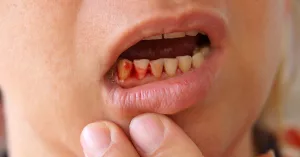
If a blood clot does not form in the socket, or it becomes dislodged, you may develop dry socket.
Dry socket is a complication of extraction that disrupts new bone growth and prevents soft tissue from forming properly over the clot.
Your risk of dry socket is higher if you:
- have an infection at the extraction site
- experienced trauma at the site during the procedure
- have had dry socket previously
- smoke, chew, or vape nicotine products
- fail to keep the area clean of bacteria and food debris
When to contact your dentist or doctor
Reach out to your provider if you notice signs of infection or dry socket, such as:
- increasing swelling or persistent bruising
- severe or new pain
- throbbing, tingling, or scratching sensations in or around the socket
- pus
- excessive bleeding
- fever
- numbness
- pus or blood in nasal discharge
- a persistent bad taste despite rinsing
- seeing bone within the socket
- the socket lacks a visible clot or hasn’t shrunk after 2 to 4 days
Treatment for complications
If an infection is present, your clinician will prescribe an oral antibiotic or recommend an antimicrobial/antiseptic mouth rinse.
For dry socket, the dentist will irrigate the socket to remove trapped food, bacteria, and debris. They may also pack the socket with medicated gauze.
Dry socket can be painful, but over-the-counter pain relievers are often sufficient to reduce or remove discomfort.
Final thoughts
After a tooth is removed, a temporary socket remains that can take several weeks to months to fill in and heal.
The initial and crucial step in healing is formation of a blood clot. If this clot fails to form or is displaced, dry socket can develop.
Behaviors like using a straw or smoking can hinder recovery. Proper aftercare — keeping the area clean, resting, and following your dentist’s advice — helps promote healing and lower the chance of complications. If you suspect an infected socket or issues such as a gum abscess, contact your dental provider promptly.





















Leave a Reply
You must be logged in to post a comment.