
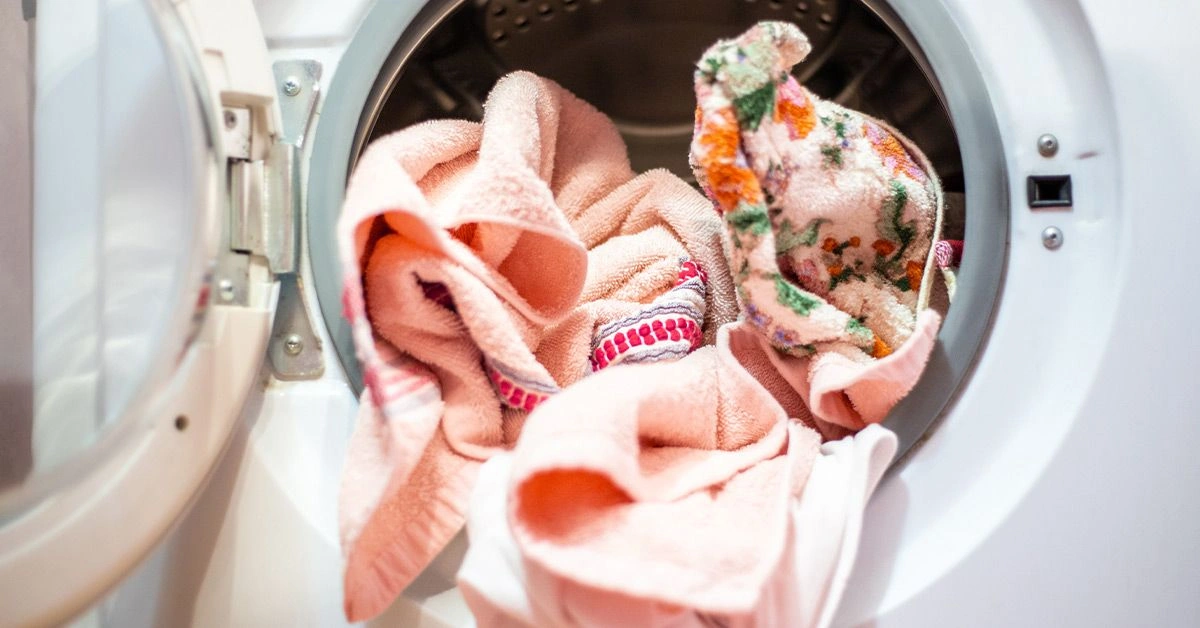
A rash brought on by laundry detergent can be itchy and present with other signs. Allergic reactions usually develop after repeated contact with an allergen, such as a fragrance or a preservative.
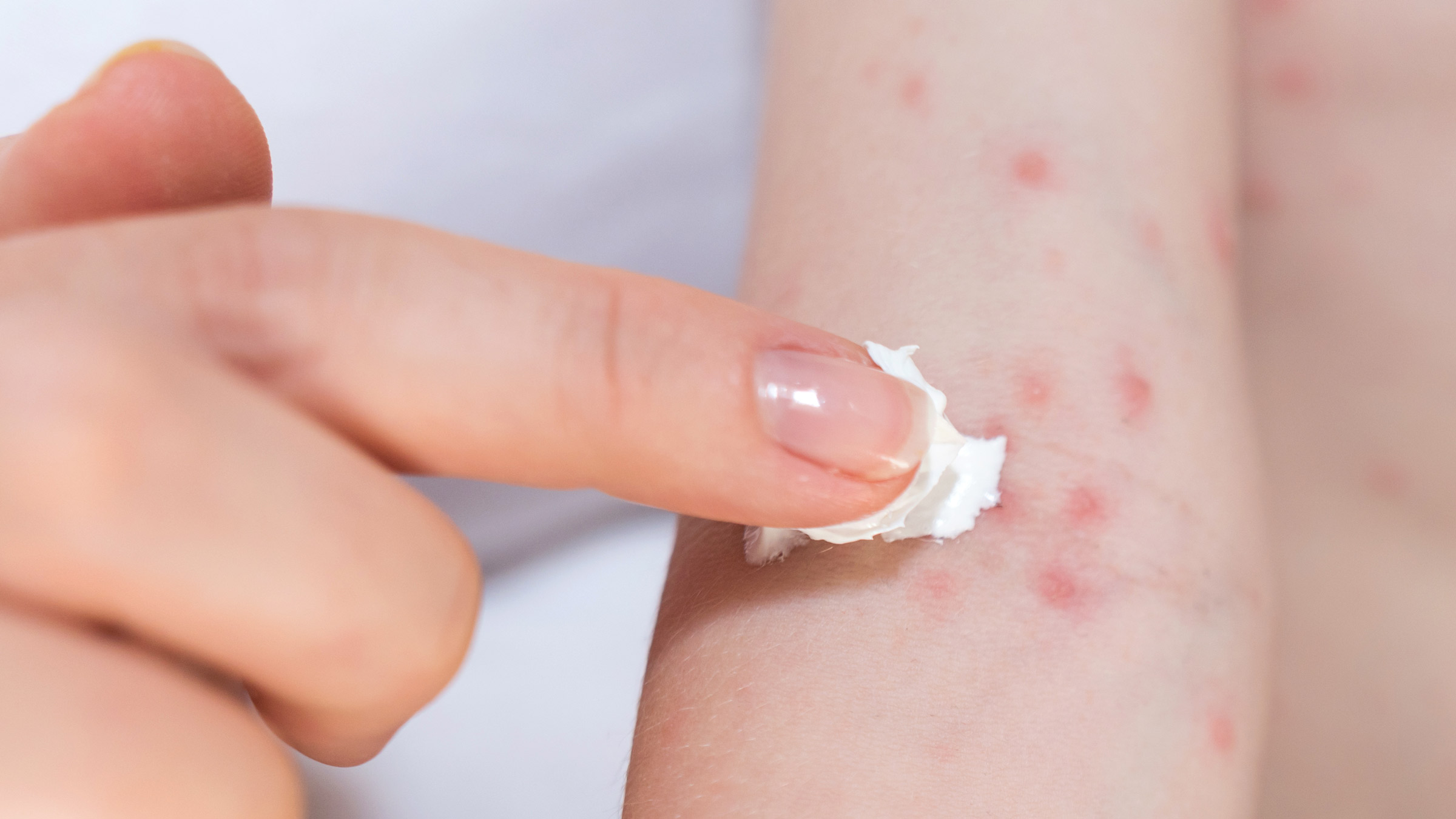
Your laundry soap might smell like fresh morning air or spring showers, but it likely contains a range of potent chemicals. It’s common for some people to have adverse skin reactions to ingredients in typical detergents.
Fragrances, preservatives, dyes, and various other chemicals in laundry detergent can lead to rashes in both children and adults.
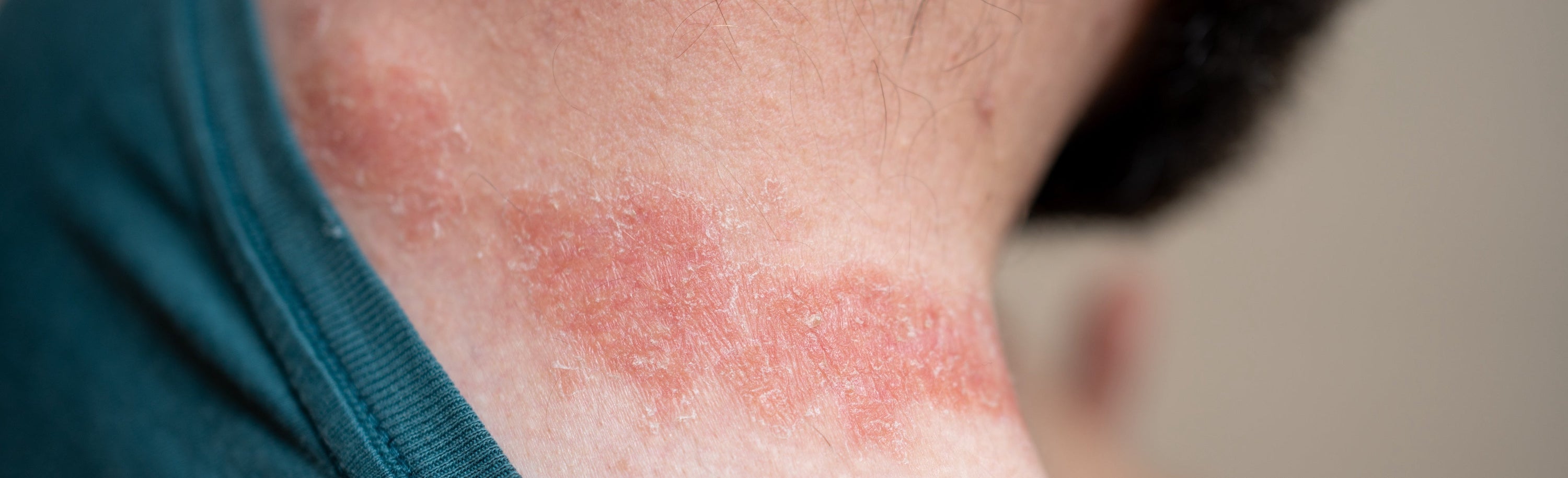
Laundry detergents may provoke a condition known as contact dermatitis, which appears as a red, itchy rash that can be widespread or limited to particular areas like the armpits and groin.
Sensitivities or allergies to laundry detergent can appear on first exposure or after repeated contact. Many people can avoid detergent-related rashes by switching to fragrance- and dye-free products.
Common causes
Allergens
Laundry detergents include a number of potentially irritating components.
Like most cleansing agents, detergents contain surfactants, or surface-active agents. Surfactants act by loosening dirt and oil so they can be rinsed away. Harsh surfactants may irritate those with sensitive skin.
Artificial scents are another large group of chemicals that can trigger skin irritation and rashes. Manufacturers often use proprietary fragrance blends, which makes it hard for consumers to know exactly what ingredients are present.
Other frequent allergens in laundry detergents include:
- preservatives
- enzymes
- parabens
- colorants and dyes
- moisturizers
- fabric softeners
- thickeners and solvents
- emulsifiers
Allergies to relatively mild substances, like those in detergents, typically develop gradually after repeated exposure. Once sensitized, even tiny amounts of the trigger can provoke a reaction.
Contact dermatitis
Contact dermatitis is a skin issue caused by substances you touch, such as soaps, plants, or metals. It’s divided into two types: irritant and allergic contact dermatitis.
With irritant contact dermatitis, you can get a rash even if you aren’t allergic to anything in your laundry detergent.
Irritant contact dermatitis is the most common kind of nonallergic skin rash. It happens when an irritating substance damages the outer layer of skin, causing an itchy rash. You might react after the first exposure or only after repeated contact.
Allergic contact dermatitis occurs when your immune system reacts to a substance. In an allergic response, your body mounts an immune reaction to the offending agent.
What are the symptoms?
If you’re sensitive or allergic to something in your laundry detergent, symptoms may appear right after touching freshly laundered clothes or many hours later. Signs can include:
- red rash
- mild to intense itching
- blisters that may ooze or crust
- bumps
- dry, cracking, or flaky skin
- tenderness
- burning sensation
- swelling
Contact dermatitis usually appears in localized areas that touch strong irritants, such as the skin beneath jewelry. When symptoms are widespread, consider laundry detergent as a potential culprit.
Because washed clothing and linens contact most of your body, symptoms can show up anywhere. Some people notice worse symptoms in areas where clothing traps sweat, like the armpits and groin. A freshly washed pillowcase may irritate the delicate skin on your face.
If an infant or toddler has rash-like signs, check which parts of their body haven’t been covered by freshly washed garments — typically the face or head and the area under a diaper.
How it’s treated
Most rashes are manageable at home with straightforward treatments and lifestyle changes. If you’re allergic or sensitive to a chemical in a particular detergent, identifying it is the most important step so you can avoid it. To relieve symptoms, consider these measures:
- Apply a steroid cream. An over-the-counter steroid cream with at least 1 percent hydrocortisone can help reduce itching and inflammation.
- Use an anti-itch lotion. Calamine lotion can calm the skin and discourage scratching.
- Take an antihistamine. Antihistamines like diphenhydramine (Benadryl) can help control allergic reactions.
- Try an oatmeal bath. A cool oatmeal soak can lessen itching and soothe inflamed skin.
- Use a wet compress. A towel dipped in cool water can ease inflammation and decrease tenderness.
Prevention tips
Choose a fragrance- and dye-free detergent
Many people react to chemicals in artificial fragrances and dyes. Try a milder option, such as Seventh Generation Free and Clear, which is vegetable-based and free of dyes and fragrances.
Browse other natural detergents.
Run an extra rinse cycle
An additional rinse can prevent detergent residue from remaining on clothing. Use the hottest safe water to help eliminate allergens.
Swap dryer sheets and softener for dryer balls
Reduce chemical exposure by skipping fabric softener and dryer sheets. Dryer balls, made of wool, plastic, or rubber, can soften garments and cut static without adding irritants.
Use baking soda and vinegar
Baking soda and vinegar are effective natural cleaners. Use them in place of detergent or in a second wash cycle. These gentle products can naturally brighten and soften fabrics.
Make your own detergent
You can create a homemade detergent using washing soda and borax. This mix is free of fragrances and dyes and can be cost-effective. For more cleaning power, add Castile soap made from olive oil.
Clean your washing machine
If someone in the household has chemical sensitivities, run a cleaning cycle after loads washed with standard detergent. A hot-water cycle with baking soda and vinegar helps remove soap scum and chemical residues from the machine.
Pretreat stains with natural solutions
Avoid chemical stain removers by pretreating spots with a mix of water, washing soda, and baking soda.



















Leave a Reply
You must be logged in to post a comment.