
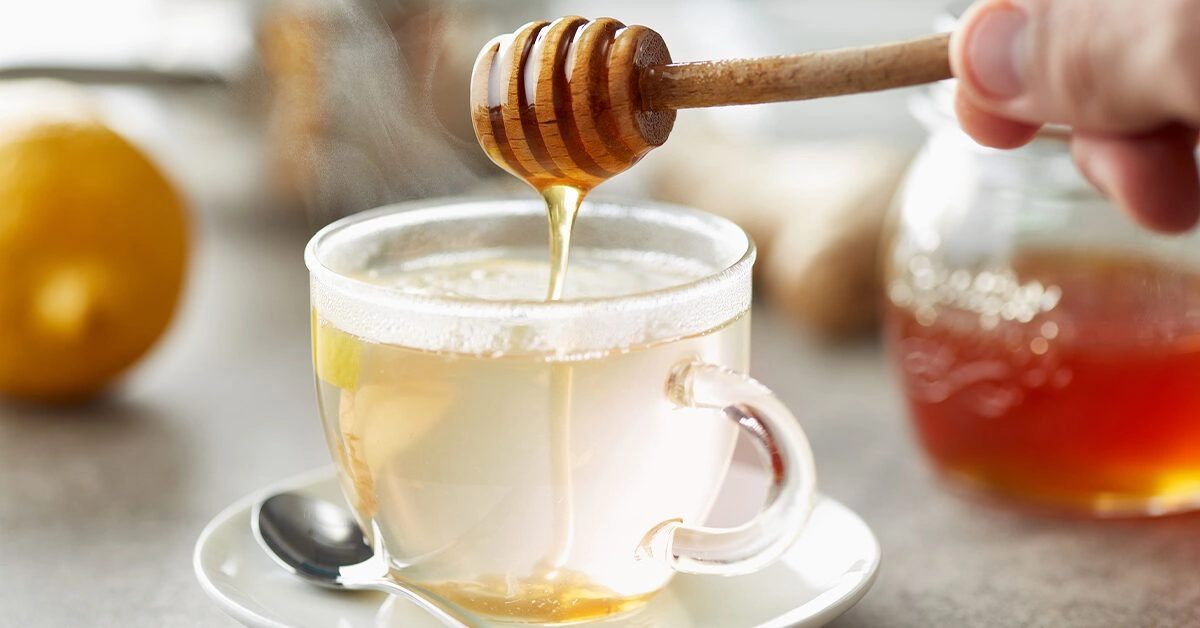
Waking up with a scratchy throat and a raspy voice after a night of alcohol is common. Warm beverages with honey, throat lozenges, and saline gargles can provide relief.
A sore throat and hoarseness often accompany a hangover the morning after drinking.
Alcohol can dehydrate your mouth and throat. Paired with shouting or prolonged talking over loud music, this dryness may lead to uncomfortable inflammation of the throat and vocal cords.
Because alcohol is a diuretic, it increases urine production and accelerates fluid loss from the body. Excessive drinking can cause dehydration, which may bring on nausea and lightheadedness.
This article reviews effective treatments for a sore throat after drinking and offers strategies to help prevent it in the future.

Ways to calm your throat after drinking
Several over-the-counter remedies and household treatments can help ease throat and vocal cord irritation after drinking. Most of these use items you probably already have at home.
Hydrate
Drinking ample water or other fluids helps counteract alcohol’s dehydrating effects.
Alcohol can also cause electrolyte disturbances due to increased urination. Eating or drinking sources of sodium, potassium, and other minerals can help restore these electrolytes.
Whole foods rich in nutrients—such as dark leafy greens, avocados, and broccoli—are excellent electrolyte sources, but if a hangover makes solid food unappealing, consider a low-sugar sports drink, electrolyte supplements, or broth.
Rest
Allowing your throat and vocal cords time to recover helps healing. If you were out late, you might be more fatigued than usual, and lack of sleep can worsen how you feel.
Even with a full night’s sleep, studies show heavy drinking degrades sleep quality, particularly in later sleep stages.
Saltwater gargle
Gargling with saltwater is a common method to soothe a sore throat.
Mix about one-quarter to one-half teaspoon of salt into 8 ounces of warm water.
Swish a sip in your mouth and gargle at the back of your throat for roughly 30 seconds. Repeat as needed.
Steam inhalation
Inhaling moist air can ease throat irritation and pain. You can take a hot shower with the bathroom steamy or fill a bowl with hot water, drape a towel over your head, and breathe the warm vapor.
Throat lozenges
Sucking lozenges, hard candies, or cough drops can increase saliva, helping to moisten your throat.
Many over-the-counter lozenges include agents like hexylresorcinol, which can relieve throat discomfort.
Warm beverages with honey
Warm tea often helps calm an irritated throat. Varieties like green tea or ginger tea have anti-inflammatory properties that may reduce irritation.
Because caffeine can be dehydrating, choose a decaffeinated tea if you’re concerned about fluid loss.
Honey has traditionally been used for sore throats and coughs. While much of the support is anecdotal, a 2013 study found honey reduced throat pain after tonsillectomy.
Nonsteroidal anti-inflammatory drugs (NSAIDs)
OTC NSAIDs like ibuprofen or naproxen can decrease throat swelling and inflammation. They may also alleviate hangover-related headaches.
How to prevent throat soreness and other hangover effects
The only certain way to avoid a hangover and its symptoms is to abstain from alcohol. However, enjoying drinks doesn’t automatically mean you’ll be stuck feeling awful the next day.
These tips can lower your risk of a hangover.
- Drink in moderation. The Centers for Disease Control and Prevention define moderation as up to one drink per day for women and up to two drinks per day for men.
- Avoid beverages high in congeners. Congeners are fermentation byproducts linked to worse hangovers. Whiskey, tequila, and cognac are higher in congeners, while vodka, gin, and rum tend to have lower levels.
- Alternate with water throughout the night. Keeping water nearby helps maintain throat moisture and reduces dehydration risk. A good rule is one glass of water for every alcoholic drink you consume.
- Skip loud venues. Talking over blaring music can strain your vocal cords and leave your throat sore the next morning.
- Get adequate sleep beforehand. Being well rested before a night out can reduce susceptibility to hangover symptoms caused or worsened by fatigue.
Other contributing factors
Many bars and clubs play loud music. Yelling, singing, or speaking loudly can overwork your vocal cords and produce hoarseness the next day.
If the environment is hot or you’re not drinking enough fluids, your mouth and throat may dry out even without alcohol.
Your vocal cords are normally coated in a protective mucus, and if that layer dries, the cords are more vulnerable to irritation or damage.
Alcohol can also impair immune function, possibly increasing susceptibility to viral infections that cause sore throats.
Infections like the common cold and many strains of flu usually take at least 24 hours from exposure to symptom onset. It’s unlikely you’d develop symptoms the morning after drinking unless you were already incubating the virus.
Alcohol may also aggravate gastroesophageal reflux disease (GERD), and a sore throat is a frequent GERD symptom.
Takeaway
Sore throats and hoarseness are common after a night of drinking.
You can relieve throat discomfort with rest, warm tea, honey, lozenges, saltwater gargles, and staying hydrated. Rest and fluid replacement are among the most effective ways to ease hangover symptoms.
Drinking moderately and keeping hydrated during the evening can help prevent a hangover before it starts.





















Leave a Reply
You must be logged in to post a comment.