

Nausea can appear before and throughout menopause for some women. It may stem from falling hormone levels, hot flashes, or as a reaction to hormone replacement therapy (HRT). Read on to understand why it occurs and what you can do to ease it.
Many women notice nausea in the lead-up to menopause and while in menopause.
There isn’t a single explanation for nausea; it’s likely connected to hormonal shifts, other menopausal symptoms, or certain treatments. Symptoms differ widely between individuals.
If you’re regularly experiencing nausea during perimenopause or menopause, continue reading to explore potential causes and options to discuss with your healthcare provider.
What causes nausea in menopause?
Nausea may affect some women during menopause, though not everyone. Potential triggers include the natural decline in hormones, hot flashes, or adverse effects from hormone replacement therapy.
Lowered hormone levels
Menopause happens because of a reduction in the hormones estrogen and progesterone, produced by the ovaries and responsible for regulating the menstrual cycle.
Your ovaries typically reduce production of these hormones between about ages 45 and 55. The menopausal transition averages around seven years but can extend up to 14 years.
Hormonal fluctuations alone can contribute to nausea. If you’ve felt queasy before your period in the past, that was likely tied to a natural fall in estrogen.
Hot flashes
Hot flashes are episodes of sudden warmth that may recur through the day, typically felt in the upper body—especially the head and chest—and can cause the skin to redden.
Occasionally, hot flashes can provoke feelings of nausea.

Hormone replacement therapy (HRT)
HRT uses synthetic estrogen and progestin and can relieve symptoms in early menopause. Nausea is a recognized side effect when HRT is taken by mouth.
Long-term or high-dose HRT carries serious risks depending on how it’s given, including potential blood clots and stroke.
Ways to manage nausea
Addressing menopause-related nausea may involve lifestyle and dietary adjustments, and, if needed, prescription medications that target the underlying causes.
Adjusting your diet
Certain foods and drinks can worsen nausea and hot flashes. You may want to limit or avoid the following:
- alcohol
- spicy dishes
- caffeinated beverages like coffee and tea
Ask your doctor about the possible benefits of phytoestrogen-containing foods for symptom relief.
Some women report improvement from the mild estrogenic compounds in plants such as soy, though more study is required.
Herbal estrogen supplements have not been proven safe or effective.
For concerns like menopause bloating and digestion changes, dietary tweaks can sometimes help.
Reducing hot flashes through lifestyle
If your nausea is tied to hot flashes, tackling those episodes may ease the queasiness. You might not eliminate hot flashes entirely, but the following strategies can reduce their impact:
- steer clear of known triggers such as spicy foods and caffeinated drinks
- stay in air-conditioned spaces when it’s hot or humid outside
- drink ample water, particularly when a hot flash starts
- wear layers made of breathable fabrics like cotton
- keep your bedroom cool at night
- carry cool compresses or a portable fan when you’re out
- practice stress-reduction and relaxing activities regularly
- try to exercise daily, preferably outdoors when it’s cooler
- if you smoke, consider quitting
Medication options
If lifestyle measures haven’t helped after about three months, your clinician may suggest drugs. These can be useful when nausea is part of a cluster of menopausal symptoms. Potential prescription choices include:
- HRT. Although HRT can cause nausea for some, it may relieve menopausal symptoms for others. Discuss risks and benefits with your provider, since HRT isn’t suitable for everyone. HRT may raise the risk of blood clots, stroke, and breast cancer.
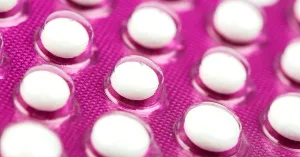
- Oral contraceptives. Low-dose birth control pills can supply hormones to counteract menopausal symptoms that might be causing nausea.
- Selective serotonin reuptake inhibitors (SSRIs). Low-dose SSRIs can reduce hot flashes and related symptoms. They may also benefit mood and sleep, though nausea is a potential side effect, so report any new problems to your prescriber.
Probiotic support can sometimes help overall digestive comfort; consider reading about probiotics for menopause as part of a broader plan.

When to see a healthcare professional
Talk with a healthcare provider if menopause-related nausea concerns you, particularly if it’s constant throughout the day or severe enough to disrupt normal activities.
Your clinician can suggest treatments or lifestyle adjustments tailored to your needs to help reduce nausea.
Key points
Nausea can be a symptom associated with menopause, often linked to hormonal changes. It may also be caused by hot flashes or be a side effect of HRT. Not everyone will experience nausea during this life stage.
If nausea is frequent or significantly affects your daily life, consult a healthcare professional about management options. Lifestyle changes are usually tried before medications.




















Leave a Reply
You must be logged in to post a comment.