

The time it takes for ibuprofen to begin relieving symptoms can differ between individuals, influenced by the reason for use, the dose, other medicines, and personal characteristics such as age and overall health.
Ibuprofen belongs to a class of drugs called nonsteroidal anti-inflammatory drugs (NSAIDs). People usually take it to reduce pain, inflammation, and fever.
Common brand names for ibuprofen include Advil, Motrin, and Midol, among others.
This medication acts by blocking an enzyme involved in producing compounds known as prostaglandins. Prostaglandins play a role in the body’s pain and inflammatory responses.
So, how quickly does ibuprofen take effect? And what dose provides both safety and effectiveness?

What is ibuprofen used for?
Ibuprofen is frequently used to reduce pain, fever, and inflammation.
Typical conditions treated with ibuprofen include:
- headaches
- muscle aches and soreness
- menstrual cramps
- arthritis
- back pain
- toothaches
- minor injuries
For short-term issues like a headache, ibuprofen is often taken only once or a couple of times.
For long-term problems such as chronic back pain or arthritis, ibuprofen may be taken regularly for weeks or months as needed.
How long until it works?
In general, it takes roughly 30 minutes before you start noticing the effects of ibuprofen. That said, this interval can differ between people and situations.
When ibuprofen begins to act, you will commonly notice less pain or a reduction in fever. Its anti-inflammatory benefits often take longer to become apparent — sometimes a week or more.
Peak concentrations of ibuprofen in the bloodstream are thought to occur after about 1 to 2 hours.
Ibuprofen is eliminated from the body relatively quickly. For that reason, depending on the condition being treated, repeated dosing every few hours might be necessary.
The time course of ibuprofen appears similar in children, although younger kids may clear the drug faster than adults.
What influences how quickly it works?
While some individuals find relief quickly, others may take longer. Various factors can change how fast a medicine takes effect.
Factors that may influence how quickly ibuprofen works for you include:
- the dose taken
- your body weight
- your age
- your overall health
- whether you have food in your stomach
- concurrent use of other medications
What is the usual dose?
Over-the-counter (OTC) ibuprofen commonly comes in 200-milligram (mg) tablets.
Use the lowest dose that effectively controls your symptoms. Generally, one tablet is taken orally every 4 to 6 hours. If one tablet fails to relieve symptoms, a second may be taken.
Do not exceed 1,200 mg of ibuprofen in a 24-hour period. For OTC tablets, this equals a maximum of 6 tablets daily.
Also, avoid using ibuprofen for more than 10 days unless a healthcare professional tells you otherwise.
A frequent side effect of ibuprofen and other NSAIDs is stomach upset. For this reason, taking ibuprofen with food or milk may help reduce gastrointestinal discomfort.
Children’s dosing
Ibuprofen for children is available as a liquid, chewable tablet, or pill. The recommended form depends on the child’s age.
Dosing for children under 12 is determined by their body weight.
If your child needs ibuprofen, check with their pediatrician for the correct dose and dosing schedule.
Who should avoid ibuprofen?
Although ibuprofen is generally safe for many people, it may not be appropriate for everyone. Avoid using ibuprofen if you:
- have had an allergic reaction to ibuprofen, aspirin, or another NSAID
- have or have had a peptic ulcer
- are scheduled for surgery or recently had a surgical procedure
- are pregnant
Ibuprofen can raise the risk of gastrointestinal bleeding, heart attack, and stroke.
It may also interact with other medicines you take. Therefore, consult your doctor before using ibuprofen if you:
- are 60 years of age or older
- often experience symptoms such as heartburn, stomach pain, or indigestion
- have a history of high blood pressure, heart disease, liver disease, kidney disease, or asthma
- have a bleeding disorder or are on blood-thinning medications
- take other medications, especially diuretics, steroids, or other NSAIDs
If you’re unsure whether ibuprofen is safe for you, speak with your doctor or pharmacist.
Possible side effects
Like most medications, ibuprofen can cause side effects, particularly with higher doses or prolonged use.
The most common side effects include:
- nausea
- vomiting
- diarrhea
- indigestion
- abdominal pain
Less frequent side effects may include:
- bloating
- dizziness
- tinnitus (ringing in the ears)
- a rash or hives
- blurred vision
Taking an excessive amount of ibuprofen can be harmful. Warning signs of an overdose include:
- black, tarry stools
- vomit containing blood
- shallow or troubled breathing
- low blood pressure
- rapid heartbeat
- a severe headache
- urinary changes, such as blood in the urine or very little urine
- convulsions
- seizures
If you notice any of these symptoms, get emergency medical care. Inform medical staff that you have been taking ibuprofen and, if possible, bring the medication packaging.
Other NSAID options
Ibuprofen is not the only NSAID on the market. There are alternatives you can consider if ibuprofen is not suitable.
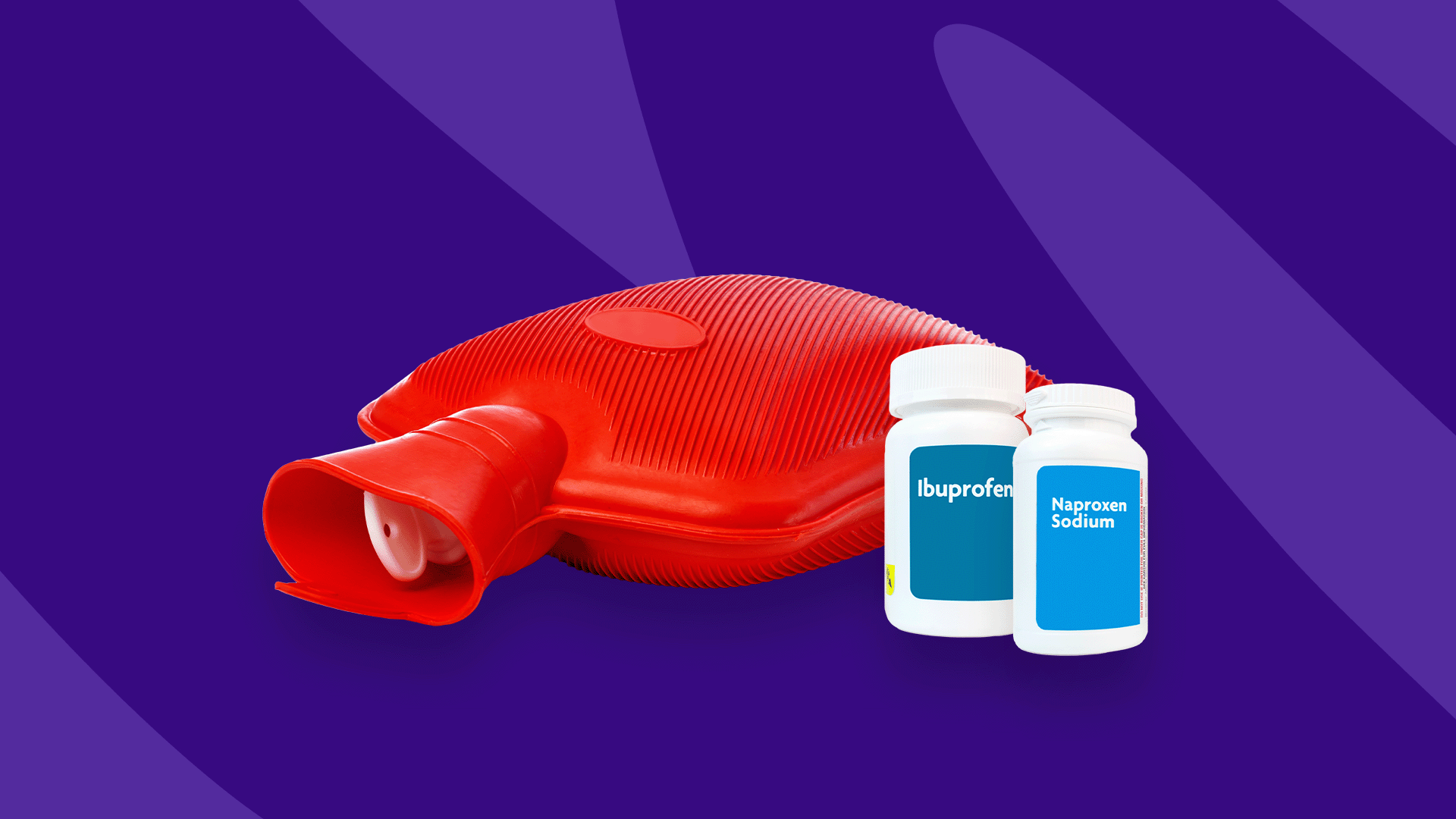
Besides ibuprofen, over-the-counter options include aspirin and naproxen (Aleve). Keep in mind that aspirin should not be given to children or adolescents because of the risk of Reye’s syndrome.
Some NSAIDs require a prescription. Examples include:
- celecoxib (Celebrex)
- diclofenac (Voltaren)
- feno-profen (Nalfon)
- indomethacin (Indocin)
- ketorolac (Toradol)
If you’re uncertain which NSAID is best for you, consult your doctor. Based on your health history and current medications, your healthcare provider can advise on a safe and appropriate NSAID.
Bottom line
Ibuprofen is used to relieve pain, inflammation, and fever.
Although the onset of relief can vary, ibuprofen typically begins to reduce symptoms in about 30 minutes.
Adults may take an OTC dose every 4 to 6 hours. Do not exceed the maximum daily dose and avoid using it for more than 10 days without medical guidance. Children’s doses are based on weight.
Ibuprofen may not be recommended for people with certain medical conditions or those taking specific medications. If you have questions about using ibuprofen, talk with your doctor.























Leave a Reply
You must be logged in to post a comment.