
Pain in the left armpit can arise from allergic responses, infections, or strained muscles. Some more serious origins may present with added warning signs, such as a breast lump or trouble breathing.
Your armpit is a complex area containing nerves, blood vessels, and lymph nodes, so discomfort there is relatively common. The severity of this pain can vary from mild to intense and frequently stems from infection, inflammation, or irritation. That said, certain cases may signify a more serious condition or complication.

Left armpit pain causes
If you’re feeling pain beneath your left armpit, several possible causes might explain the discomfort, including:
Allergic reaction
Deodorants, perfumes, lotions, and body cleansers are common culprits for skin irritation. If your skin is sensitive or you have a preexisting skin condition, any of these products can trigger a reaction and lead to pain. Additional signs linked to skin irritation or allergic response include:
- inflammation
- rash
- redness
- swelling
- itching
- warmth
If a cosmetic or deodorant causes an allergic reaction, discontinue use right away and consult your physician to prevent more serious symptoms.
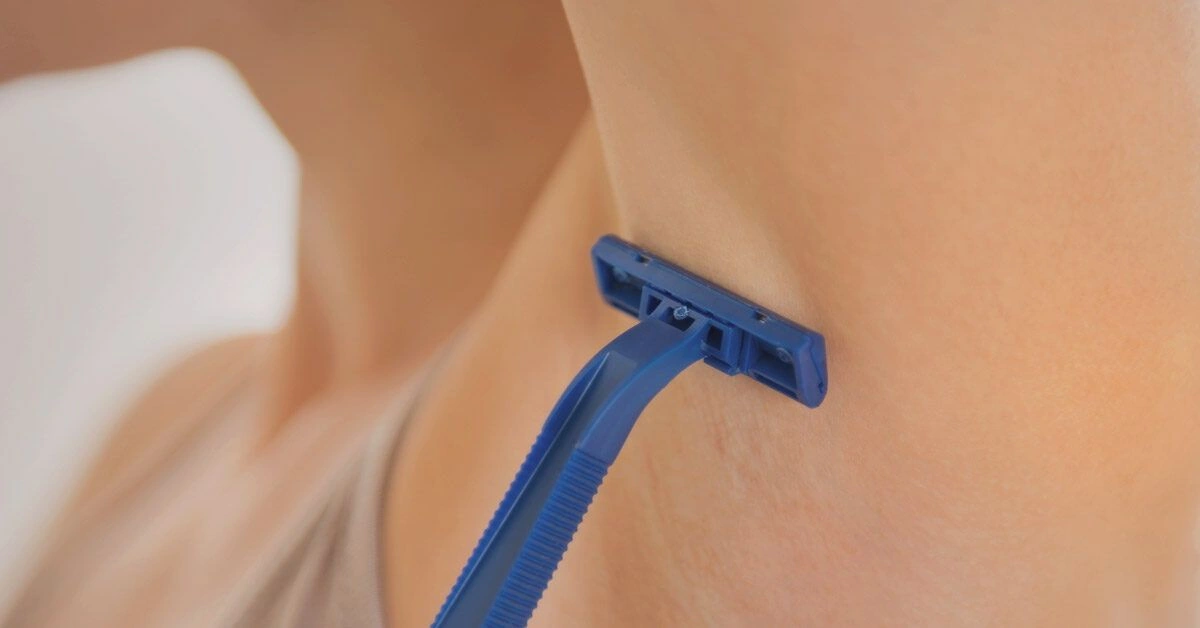
Shaving
Poor shaving technique can also produce pain under the left armpit. Dull or unclean razors increase the chance of infection and can inflame hair follicles. This may result in small, painful bumps or ingrown hairs.
To minimize this problem, always shave with a clean, sharp blade and keep the skin moisturized to reduce dryness and irritation from friction.
Infection
Bacterial infections of the skin commonly produce discomfort under the arm. Bacteria flourish in warm, moist areas, so irritation, pain, or swelling may follow a bacterial infection.
Other skin infections can be fungal in origin, or related to a chronic condition called hidradenitis.
Hidradenitis arises when hair follicles and oil glands become blocked, especially beneath the arms and in the groin. Often described as a severe acne-like disorder, it can trigger an exaggerated immune response to inflammation, causing thick scarring and deep skin infections.
Besides pain, you might notice:
- itching
- tenderness
- multiple cysts and boils
- recurrent infections
For routine skin infections, physicians typically prescribe antibiotics or antifungal drugs. Hidradenitis treatment often involves anti-inflammatory medications and sometimes surgery; antibiotics are usually reserved for extensive infections.
Muscle strain
People who exercise frequently or play sports often experience muscle strains. Activities like weightlifting or contact sports that overstretch muscles can cause pain and tightness that extends into the arm and armpit. Minor strains generally improve within about a week.
If pain persists beyond seven days despite rest and stretching, or if you find a painful lump near the armpit, see your doctor. Worsening pain or a palpable lump could indicate a more serious strain or tear that needs medical attention.
Shingles
Shingles, caused by the varicella zoster virus (the same virus that causes chickenpox), produces a painful rash commonly appearing on the chest, back, and underarms.
Other symptoms of shingles include:
- tingling in the affected area
- burning or itching
- blisters
- severe pain that can precede the rash
Treatment involves oral antiviral medication to reduce symptoms and suppress the virus. If pain continues, your doctor may add pain-relieving or anti-inflammatory medicines to better control symptoms in the region.
Swollen lymph nodes
Your body contains many lymph nodes, including numerous ones near the armpit. Lymph nodes play a role in fighting infection, so significant viral or bacterial infections can cause them to swell and produce pain beneath the armpit.
Breast cancer
Breast cancer can also lead to underarm swelling and discomfort. Early on, symptoms may be minimal or absent. If cancer spreads beyond the breast, it can affect the lymphatic system and cause a small lump under the arm. Enlarged lymph nodes may be painful.
If you detect any unusual changes around your armpit or chest, seek prompt medical evaluation. Breast cancer can exist without a palpable breast lump. Treatment depends on the cancer’s type and stage.

Angina
Angina produces intense chest pain due to a temporary reduction in blood flow to the heart. This occurs when the heart muscle doesn’t receive sufficient oxygenated blood for its activity. Pain from angina may radiate to the left armpit and shoulder and can be accompanied by:
- fatigue
- dizziness
- difficulty breathing
- pain in the chest, jaw, or neck
- sweating
- nausea and vomiting
- abdominal discomfort
Treatment of angina focuses on managing coronary artery disease with medications or surgery, along with lifestyle adjustments. Quitting smoking, controlling high blood pressure, lowering cholesterol, managing diabetes, and regular exercise are key parts of care.
When to see a doctor
Armpit pain from minor irritation or muscle strain should improve within a week. If the discomfort stems from a more serious infection or other medical issue, symptoms may persist and require more involved treatment.
Outlook
Many conditions can produce pain under your left armpit. While most improve without intervention, a subset will need medical or surgical treatment.
Avoid self-diagnosis for armpit pain, especially if accompanied by fever or swollen lymph nodes, as these can signal a significant health problem. Discuss your symptoms and treatment choices with your doctor to ensure appropriate care. If you also have chest or breast-related concerns, consider reading more about pain under left breast for related information.




















Leave a Reply
You must be logged in to post a comment.