

When placed properly, tampons should be hardly felt or at the very least comfortable throughout their wear time.
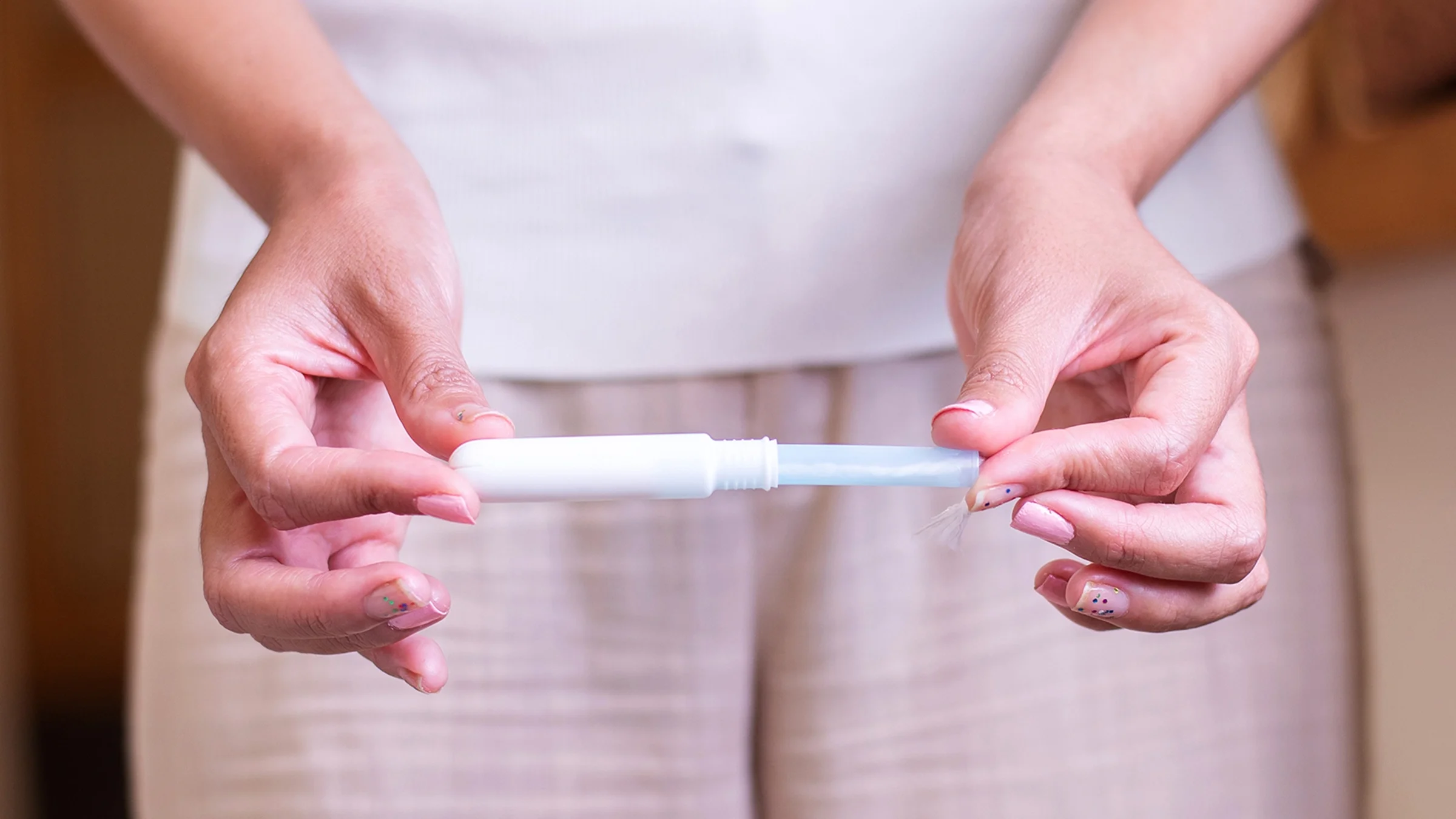
People vary, of course. Some individuals may sense a tampon more than others. Still, feeling pain or significant discomfort is not normal at any time.
Several factors can cause tampon-related unease. For example, the tampon might:
- have been inserted at an awkward angle
- not be positioned far enough into the vaginal canal
- be too long or too thick for the amount of menstrual flow
Insertion gets easier with practice
Most tampon boxes include a leaflet with an anatomical diagram you can consult while learning to insert.
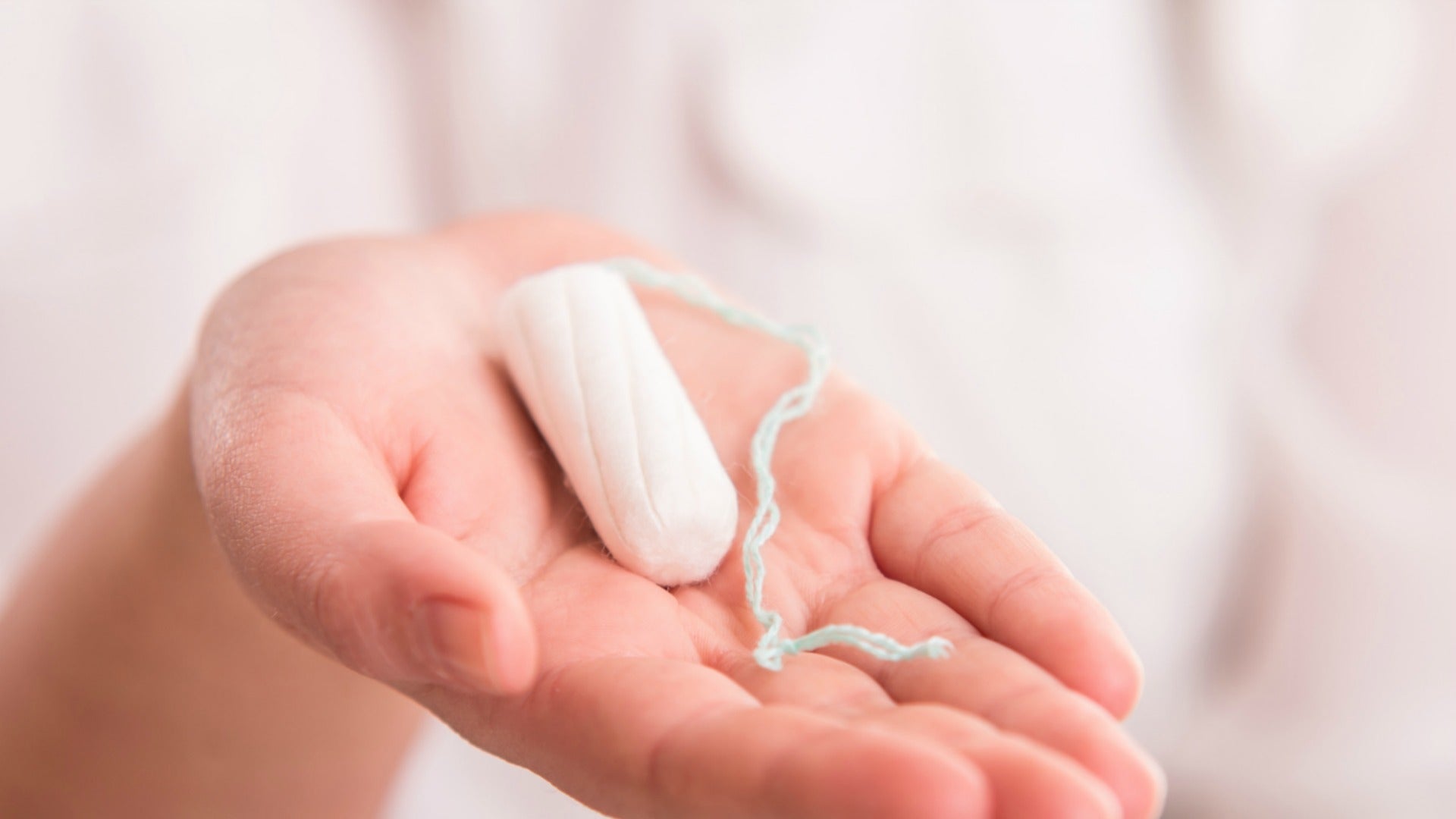
Find a position that feels relaxed and gives you good access to your vulva. Common options are sitting, squatting, or standing with one foot propped on the edge of the tub or the toilet seat.
Take a few slow breaths to relax and loosen your pelvic muscles. When you’re ready to insert:
- Wash your hands and open the tampon wrapper.
- Hold the applicator with one hand and gently separate the labia (the folds of skin around the vulva) with the other to expose the vaginal opening.
- Ease the applicator into your vaginal canal and press the inner tube or “plunger” to release the tampon.
- If it hasn’t gone in far enough, use your index finger to push the tampon further into the canal. Only the string should remain outside the vaginal opening.
It’s normal if your first attempt feels a little awkward. New users often need several tries to develop comfort and a reliable technique.
Your tampon will often settle into a more comfortable position as you move around, so walking can help relieve initial tightness.
Try different applicator styles
Cardboard-applicator tampons are usually more eco-conscious and cost-effective. However, they can feel less comfortable, especially when flow is light or intermittent.
Plastic applicators generally glide into the vaginal canal with less friction. A tiny bit of lubricant on the outside of the applicator can further ease insertion.
If you prefer using your fingers, tampons without an applicator are another option.
Choose the lowest absorbency that works
Tampon size should match how heavy your bleeding is. Period flow varies between people and across a cycle; some days are heavier than others.
The first days of menstruation are often heavier, and a regular tampon might saturate quickly. If that happens, consider stepping up to a super or super-plus absorbency.
As bleeding tapers toward the end of your period, you may only need a light or junior tampon.
Light or junior tampons are also easier for beginners, since their smaller diameter makes insertion and removal simpler.
If you’re unsure which absorbency to use, there’s a quick gauge: if after 4 to 8 hours the tampon still has large white, dry areas, try a lower absorbency.
Conversely, if it’s fully saturated, move to a higher absorbency.
It can take some experimentation to find the right absorbency for each day. If you’re concerned about leaks while learning your flow, add a panty liner for extra protection.
Removing a tampon takes practice, too
The same approach applies when taking a tampon out: breathe deeply to relax and unclench the pelvic floor.

To remove it, gently pull the string downward. Don’t rush — steady breathing and a slow, gentle tug make removal more comfortable.
Dry tampons that haven’t absorbed much blood or haven’t been in long can feel less comfortable to remove because they’re not as lubricated as those that have soaked up more fluid.
Other period product choices
Pads (or sanitary napkins) are one option. They stick to your underwear and collect menstrual blood on a cushioned surface; some have wings that fold under underwear to reduce leaks.
While many pads are disposable, reusable pads made from organic cotton exist; they’re often secured with snaps or buttons rather than adhesive.
More eco-friendly alternatives include period underwear, which uses highly absorbent fabrics to capture menstrual blood.
Menstrual cups are another choice. Made from rubber, silicone, or soft plastic, they sit inside the vagina and collect blood for up to 12 hours before needing to be emptied, cleaned, and reinserted.
When to seek medical advice
If pain or discomfort continues, see a healthcare professional. The Food and Drug Administration (FDA) recommends consulting a doctor if you notice unusual discharge while inserting, wearing, or removing a tampon.
Remove the tampon immediately and seek medical help if you develop:
- a fever of 102°F (38.9°C) or higher
- vomiting
- diarrhea
- dizziness
- fainting
These symptoms could signal toxic shock syndrome (TSS), a rare but serious bacterial illness.
Ongoing pain, burning, or discomfort when inserting or wearing tampons may also point to conditions such as:
- sexually transmitted infections (STIs)
- cervicitis (inflammation of the cervix)
- vulvodynia
- vaginal cysts
- endometriosis
A gynecologist can perform a pelvic exam and tests to identify the cause of your symptoms.
Takeaway
Tampons should not cause pain; they should be barely detectable when worn. Practice improves technique, so if insertion is uncomfortable, remove the tampon and try again.
If discomfort persists, consider alternative menstrual products and consult a healthcare provider for evaluation.



















Leave a Reply
You must be logged in to post a comment.