

If you have signs of both an eye and an ear infection, a clinician may evaluate you for conjunctivitis-otitis syndrome. This condition involves simultaneous conjunctivitis (“pink eye”) and otitis media (a middle ear infection).
The term for this syndrome was introduced more than 40 years ago. The exact prevalence of conjunctivitis-otitis syndrome is unclear. Considered separately, bacterial acute conjunctivitis and otitis media are both very common in young children.
Read on to learn about the typical symptoms and causes of this infection, along with treatment options a clinician might recommend.

Symptoms of conjunctivitis-otitis syndrome
This syndrome can produce a mix of eye- and ear-related complaints.
Symptoms of bacterial pink eye may include:
- redness of the whites of the eyes
- swelling of the eyes and eyelids
- copious, thick eye discharge
- eyes that stick shut from thick pus
- crusted eyelids
- sensitivity to bright light
- blurred vision
You may also have symptoms of a middle ear infection, such as:
- earache
- fluid or pus draining from the ear
- hearing difficulties from fluid behind the eardrum
- ear tugging (commonly seen in infants and toddlers)
Other, non-ocular and non-aural signs can occur as well, including:
- fever
- runny nose
- cough
- fatigue
What causes conjunctivitis-otitis syndrome?
This syndrome is caused by a bacterial infection. Most cases are linked to Haemophilus influenzae, though other bacteria such as Moraxella catarrhalis and Streptococcus pneumoniae can also be responsible.
Not all forms of pink eye are bacterial, but most middle ear infections are. When symptoms of both pink eye and otitis media occur together, a clinician will often consider conjunctivitis-otitis syndrome.
Can an ear infection lead to conjunctivitis?
An ear infection on its own does not directly cause pink eye.
However, bacterial conjunctivitis can occur alongside ear infections because the same bacteria may spread to multiple sites.
Who is affected by conjunctivitis-otitis syndrome?
Although anyone can develop conjunctivitis-otitis syndrome, it’s most frequently seen in children.
Keep in mind that most middle ear infections happen in infants and toddlers between 6 and 15 months of age. Conditions such as cleft palate and Down syndrome may also raise the likelihood of ear infections in kids.
Other risk factors include exposure in daycare settings, inadequate hand hygiene, and contact lens use (because it increases hand-to-eye contact).
Possible complications of conjunctivitis-otitis syndrome
Complications from pink eye and middle ear infections are uncommon. If left untreated, however, the bacterial infection could spread to the inner ear, brain, or spinal cord, often requiring hospitalization.
Severe, untreated bacterial conjunctivitis caused by more aggressive organisms can lead to inflammation and corneal damage, potentially resulting in permanent vision impairment. Complications from otitis media are also rare but can sometimes damage the eardrum and the small bones within the ear.
Treatment for conjunctivitis-otitis syndrome
Because bacteria cause this syndrome, clinicians typically prescribe antibiotics. Treatment may include oral antibiotics along with antibiotic eye and ear drops, depending on how severe the infection is.
After starting antibiotics, pink eye symptoms usually begin to improve within a few days, while signs of a middle ear infection may ease within 2 to 3 days.
Over-the-counter pain relievers such as acetaminophen (Tylenol) or ibuprofen (Advil) can help control pain and fever.
When to see a doctor
If you have symptoms of both pink eye and a middle ear infection, it could indicate a bacterial infection that needs medical treatment. It’s advisable to consult a healthcare provider for an accurate diagnosis rather than waiting to see whether the symptoms resolve on their own.
Seek medical attention if:
- Your symptoms worsen after 2 to 3 days
- Your condition fails to improve within a few days despite treatment
- You have severe eye pain and persistent discharge
- You experience increasing ear pain or notable hearing loss
How conjunctivitis-otitis syndrome is diagnosed
Getting an accurate diagnosis is important so you receive appropriate treatment. Remember that antibiotics do not work for viral or fungal infections.
To diagnose this condition, a clinician will review your symptoms and examine your eyes and ears for evidence of bacterial infection.
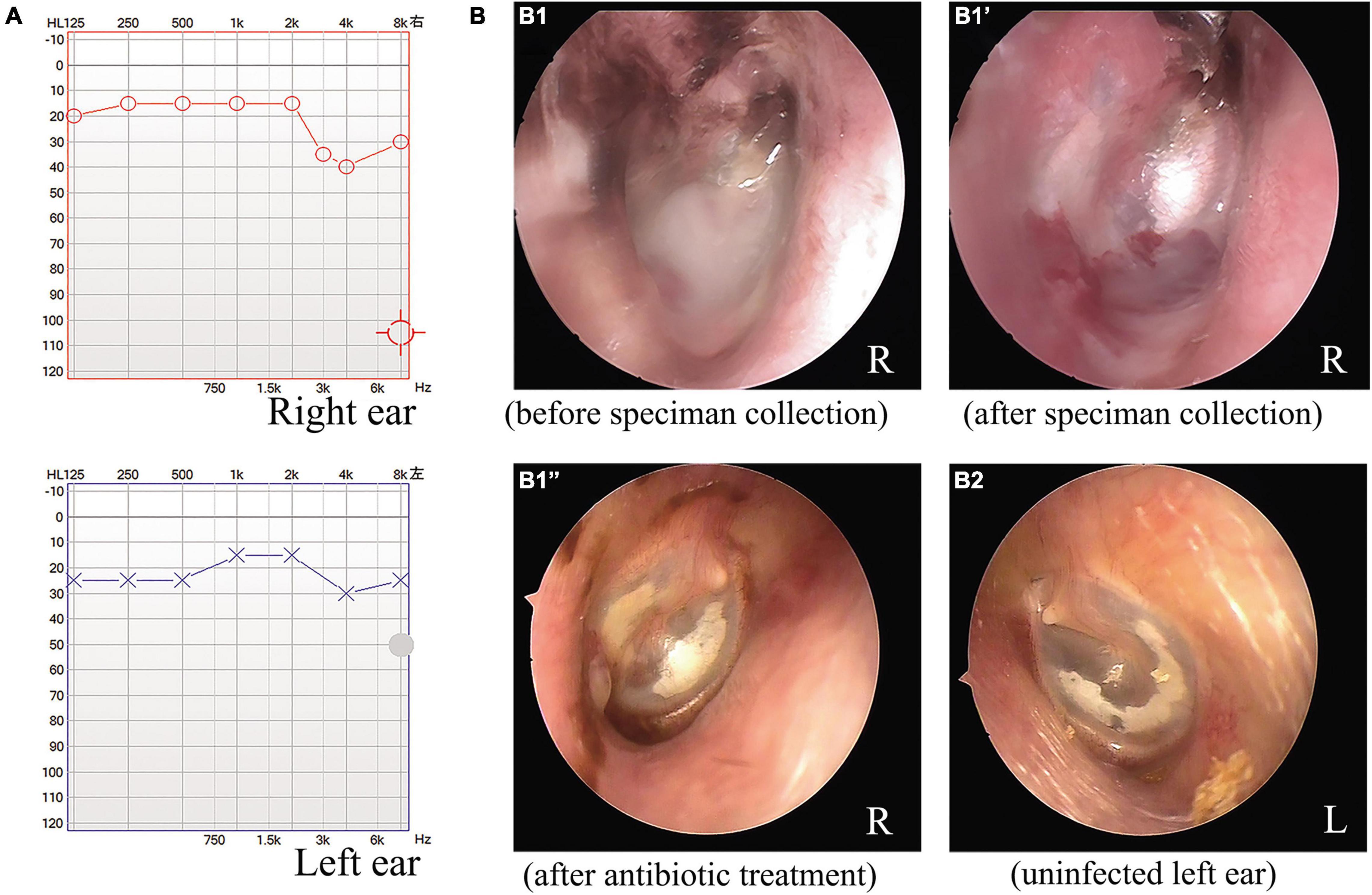
During an ear exam, the provider uses an otoscope to inspect the ear canal and eardrum, looking for signs of otitis media such as redness, swelling, and fluid behind the eardrum.
Signs of otitis media can support the diagnosis that the pink eye is bacterial. Compared with viral conjunctivitis, bacterial forms typically produce thicker discharge.
Although uncommon, some clinicians may send samples for laboratory testing. This involves swabbing eye and ear discharge and sending the specimens to a lab for identification.
A healthcare provider may also evaluate you for sinusitis, which can coexist with this syndrome. Nasal drainage that persists beyond 10 days is often seen with conjunctivitis-otitis. Other sinusitis signs include nasal congestion and facial pressure.
Takeaway
Conjunctivitis-otitis syndrome refers to the simultaneous occurrence of pink eye and a middle ear infection. It’s caused by bacteria and is most frequently observed in young children.
If you or your child show symptoms of both pink eye and otitis media, consult a healthcare provider. They can confirm whether conjunctivitis-otitis is present and prescribe antibiotics to eliminate the bacterial infection and reduce the risk of complications.



















Leave a Reply
You must be logged in to post a comment.