

Niacinamide and retinol are two widely used skincare actives. Individually, each can help address acne and blemishes, even out skin tone, and lessen visible signs of aging.
If you’re already using a product with one of these ingredients, you might be curious whether combining niacinamide and retinol would boost results and whether it’s safe to layer them. After all, some skincare actives don’t play well together.
In this piece, we’ll take a closer look at both compounds and whether incorporating them together in your regimen is a good idea.
Is it safe to use niacinamide and retinol together?
Not every skincare ingredient pairs harmoniously; some mixes can produce unwanted reactions or reduce effectiveness.
Luckily, niacinamide and retinol are safe to use together. In fact, their combination is often praised for offering multiple advantages.
Products that contain niacinamide and retinol
Here are some serums available online that include both niacinamide and retinol:
- InstaNatural Age Defying and Skin Clearing Serum. This formula blends niacinamide and vitamin C to fade dark spots, retinol to tackle fine lines, and salicylic acid to help clear breakouts.
- TruSkin Vitamin C-Plus Super Serum. Suitable for all skin types, this well-liked serum features 2.5% retinol, 3.5% niacinamide, vitamin C, botanical hyaluronic acid, and salicylic acid.
- La Roche-Posay Pure Retinol Face Serum. It uses pure retinol and a time-release retinol for anti-aging benefits, alongside vitamin B3 (niacinamide) and glycerin.
- QRxLabs Niacinamide + Retinol Serum. This formulation contains 5% niacinamide and 1% retinol, together with hyaluronic acid, vitamin E, and jojoba oil.
- Eva Naturals Skin Clearing Serum. A vitamin C serum that includes 2% retinol and 3.5% niacinamide, plus hyaluronic acid and salicylic acid.
What is niacinamide?
Niacinamide, also called nicotinamide, is the water-soluble variant of niacin (vitamin B3). It’s one of the essential B vitamins your body requires.
Within the body, niacinamide assists with DNA repair and inflammatory control. It also boosts cellular energy, enabling cells to carry out key biochemical tasks.
When used topically, niacinamide delivers additional perks. It’s commonly applied to help manage:
- rosacea
- atopic dermatitis
- autoimmune blistering conditions
- hyperpigmentation
- itching (pruritus)
- sun-related damage
These effects stem from multiple mechanisms.
A 2014 review reports that niacinamide modulates nuclear factor-κB (NF-κB), a protein tied to inflammation. This anti-inflammatory action helps reduce redness and irritation.
A 2017 study showed that niacinamide lowers the activity of cells that produce sebum, which may reduce oiliness and acne outbreaks.
According to a 2013 review, niacinamide can decrease hyperpigmentation by blocking enzymes involved in melanin formation. It also helps the skin retain moisture, strengthening the skin barrier and improving hydration.
Because of these properties, niacinamide appears in many skincare products. It’s generally well tolerated and suitable for sensitive skin.
What is retinol?
Retinol is an over-the-counter form of retinoid.
Retinoids are derivatives of vitamin A, a nutrient essential for immune function, vision, and cell signaling.
In skincare, retinol is widely recognized. It’s often used in products to help reduce or treat:
- acne
- signs of aging
- hyperpigmentation
Retinoids, retinol included, operate through various mechanisms. A 2017 study indicates retinoids help manage acne by decreasing sebum production.
A 2015 study also found retinol can inhibit enzymes that break down collagen, which may boost collagen formation. This strengthens skin and improves wrinkle appearance.
Unlike niacinamide, retinol can cause side effects. It’s associated with irritation and inflammation and may produce:
Usually these effects ease with continued use. Over-the-counter retinol is often a milder option compared with prescription retinoids, which can provoke more pronounced irritation.
What are the benefits of using them together?
Combining niacinamide and retinol—either in a single product or used together in a routine—offers several advantages.
A laboratory 2008 study looked at niacinamide with retinoic acid (the active form retinol converts into within the skin) and found niacinamide reduced the irritation and dryness induced by retinoic acid.
Additionally, a 2017 study reported that a retinol cream that included moisturizing ingredients like niacinamide caused less irritation than a formulation with retinol alone.
This implies that using a product with niacinamide—which supports the skin barrier—may allow you to enjoy retinol’s benefits while experiencing fewer side effects.
Research also shows formulations containing both niacinamide and retinol can improve skin appearance.
For example, a 2016 study found a retinol cream with niacinamide, hexylresorcinol, and resveratrol enhanced skin tone and signs of aging.
A 2012 study also showed that combining retinol, nicotinamide, and 7-dehydrocholesterol is a safe and effective approach for treating acne.
What are the side effects?
So far, there’s no specific evidence of harms unique to this pairing. The combination is generally regarded as safe for most skin types.
However, adverse responses can still occur, particularly if you’re sensitive to retinol. Adding niacinamide may not fully prevent how your skin reacts.
The chance of side effects may depend on:
How to use
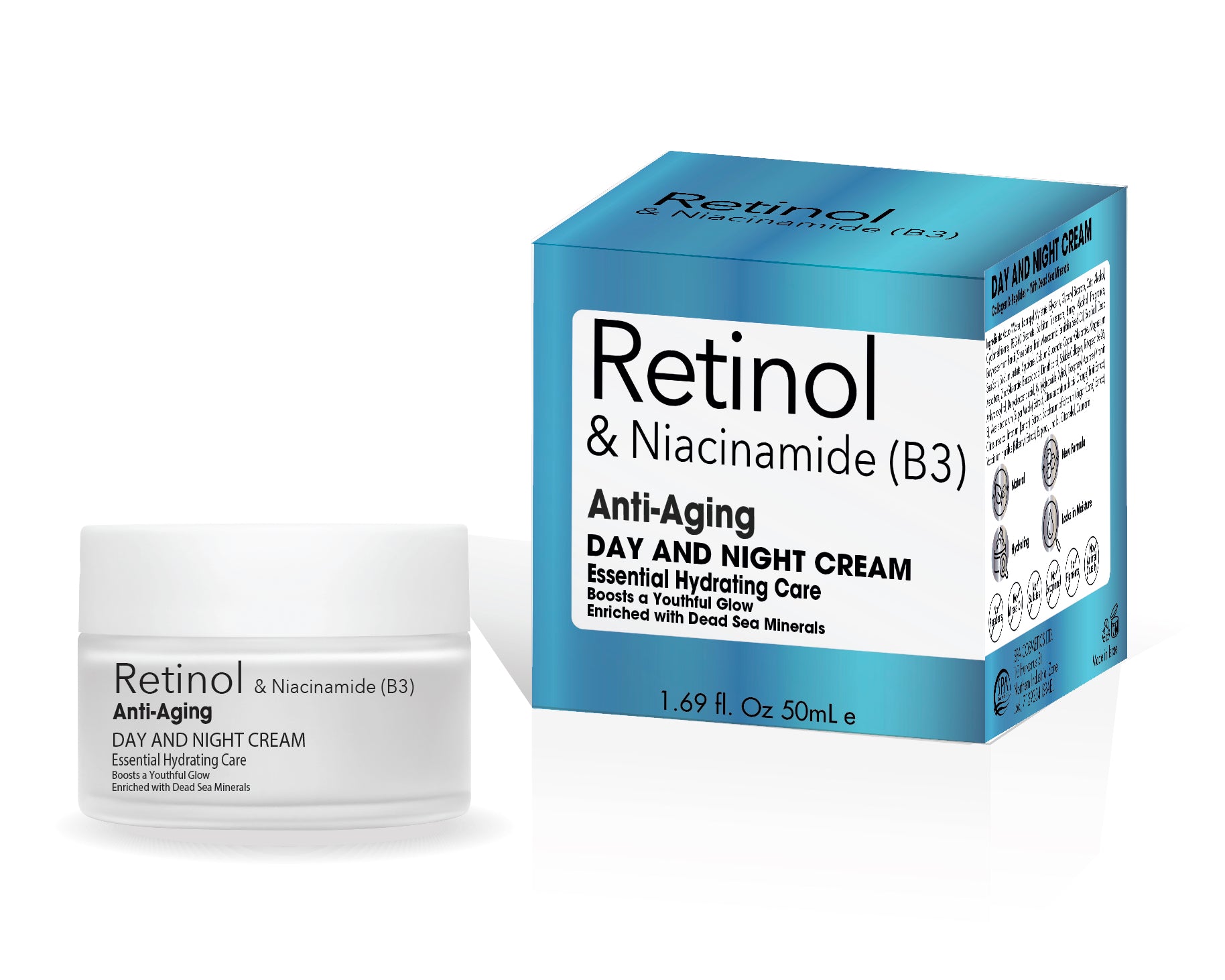
Niacinamide and retinol can come combined in a single product, which is convenient, or as separate items.
If you’re applying them as separate products, it’s generally advised to layer niacinamide first, then follow with retinol. Applying niacinamide before retinol can help shield the skin from some of retinol’s harsher effects.
Whether used together in one formula or applied separately, adhere to the manufacturer’s directions and avoid overuse.
The bottom line
Niacinamide is a mild skincare active that helps reduce aging signs, discoloration, and blemishes. Retinol delivers similar effects but is more potent and more likely to cause irritation, redness, and dryness.
Using both ingredients together is safe and can make retinol more tolerable. Niacinamide supports hydration and the skin barrier, decreasing the likelihood of retinol-induced irritation.
They may be combined in a single product or used as separate steps. For optimal results, follow product instructions and don’t use them more frequently than recommended.






















Leave a Reply
You must be logged in to post a comment.