


Even with diligent brushing and flossing, spots can still appear on your teeth. While many kinds of discoloration aren’t dangerous, a black or dark speck could indicate a more serious problem like dental decay.
If your teeth show spots or uneven coloring, you may be curious about the reasons behind them and how to remove those dark areas.
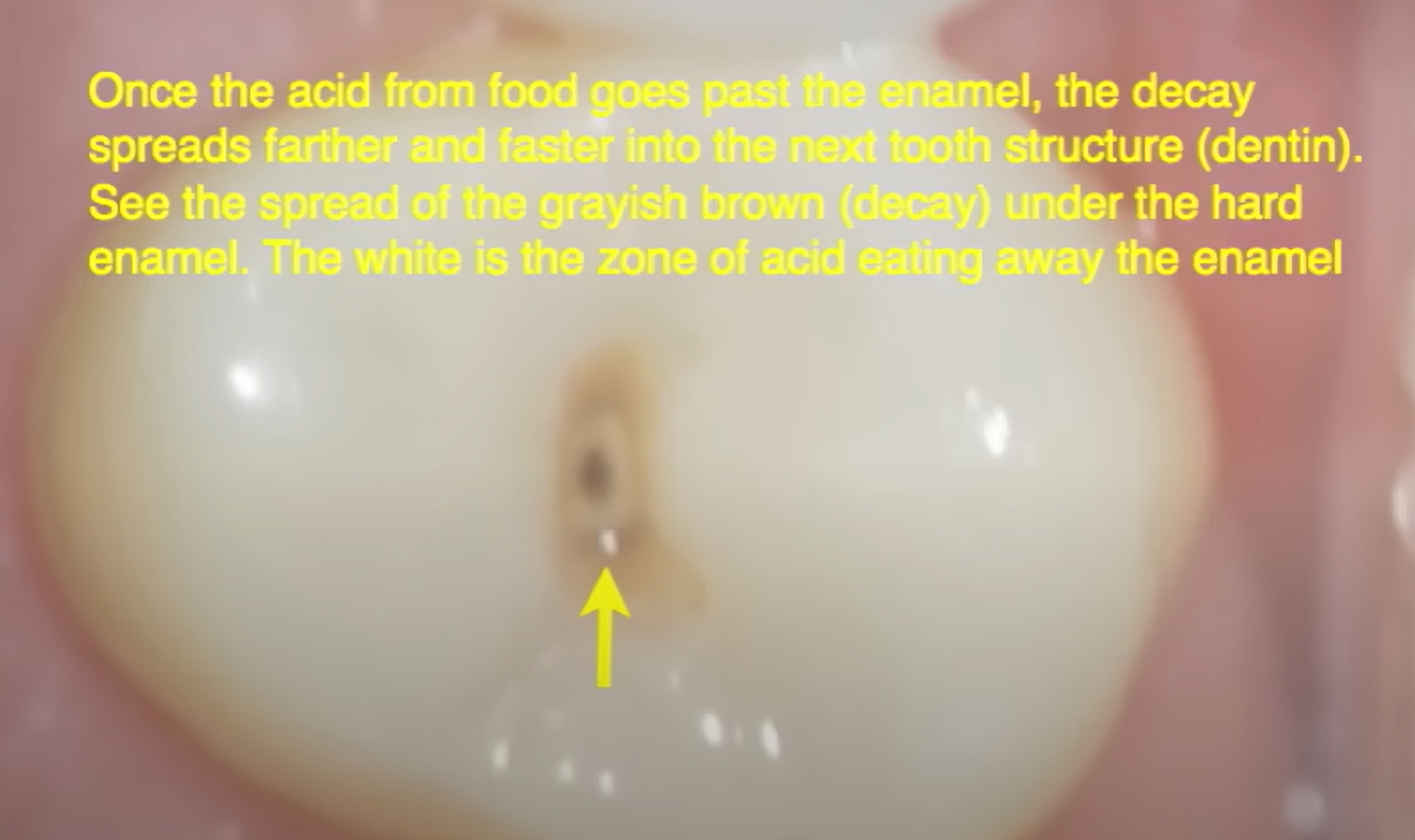
In this piece, we’ll cover the causes of dark spots on teeth, ways to address them, and how to tell if the issue requires urgent dental care.
What produces a black or dark spot on a tooth?
Unless you’ve accidentally marked your mouth with a permanent marker, that black dot could be a signal that the tooth needs attention.
Common contributors to a black or brown spot on a tooth include:
- tooth decay or a cavity
- trauma to the affected tooth
- tartar accumulation on the tooth
- staining from frequent consumption of certain foods or beverages such as coffee, tea, soda, or from tobacco products like cigarettes, chewing tobacco, and cigars
- discoloration related to antibiotics taken in childhood, particularly tetracycline
- fluorosis, which results from excessive fluoride exposure
- underlying medical issues such as celiac disease
Optum Now is operated by RVO Health. By clicking on this link, we may receive a commission. Learn more.
What are the common signs of a cavity?
When food debris and bacteria accumulate on your teeth, they can form a sticky film called plaque.
If plaque is left on the teeth, the acids it produces can wear away the enamel. This process can lead to cavities.
Signs that a cavity may be developing include:
- a dark spot or stain on the tooth
- sensitivity to hot and cold in the affected tooth
- a persistent toothache
- a visible hole or pit in the tooth
- ongoing sensitivity to sweet foods or drinks
- discomfort while chewing
If you experience any of these symptoms, schedule a dental visit promptly to avoid further decay or complications.

Fillings are commonly used for cavities when the damage remains near the surface and hasn’t reached the tooth’s pulp or nerves.
When decay progresses into the softer inner portion beneath the enamel, the pulp can become inflamed or infected. In such cases, a root canal is often required to remove the infected tissue.
Can a dark spot be eliminated?
If the dark spot on your tooth isn’t from decay and you want it removed, there are several approaches.
When staining is the culprit, both home treatments and professional procedures can reduce or eliminate discoloration.
According to a 2017 review, current methods for removing dental stains include:
- Peroxide-based bleaching products or whitening strips. Over-the-counter and dentist-administered whitening can lighten stains and brighten teeth.
- Professional dental prophylaxis. This in-office cleaning uses a prophylactic paste to remove plaque and calculus (tartar). The mild abrasives in the paste can also help eliminate surface stains.
- Whitening toothpastes, powders, or liquids. Brushing twice daily with a whitening fluoride toothpaste can help lift food particles, plaque, and surface stains. These products may contain peroxides or baking soda, with baking soda serving as an effective abrasive for stain removal.
- Veneers. For persistent dark spots, some dentists may suggest porcelain veneers or composite bonding as a cosmetic solution, though this is a costlier option.
How to prevent dark spots on your teeth
While dark spots are fairly common, there are measures you can take to limit staining and lower your risk of cavities.
To maintain healthy, attractive teeth, consider these tips:
- Maintain solid oral hygiene by brushing with a whitening fluoride toothpaste and flossing at least once daily (ideally twice). Aim to brush for a full 2 minutes. You can also use a mouthwash containing ingredients like alcohol, menthol, or eucalyptol to reduce oral bacteria, but mouthwash shouldn’t replace brushing and flossing.
- Brush soon after consuming stain-prone foods and beverages such as coffee, tea, soda, wine, red sauces, or chocolate.
- Some clinicians advise sipping coffee and other staining drinks through a straw to minimize contact with teeth.
- Avoid tobacco products such as cigarettes, pipe tobacco, chewing tobacco, and cigars.
- Visit your dentist every six months for routine exams and professional cleanings.
- Discuss professional whitening options with your dentist and ask about any extra precautions to protect your dental health.
The takeaway
Even with consistent brushing and flossing, spots can still develop on your teeth.
Minor discoloration from certain foods and drinks is common and usually not alarming. However, a black dot or spot can be a sign of tooth decay.
If you spot a black or dark area on a tooth, see your dentist to identify the cause and review treatment options.
When decay is present, your dentist might recommend a filling, a root canal, or another restorative procedure. If staining from food, drinks, or tobacco is the reason, your dentist can suggest suitable at-home or in-office treatments to remove the spot and whiten your smile.























Leave a Reply
You must be logged in to post a comment.