
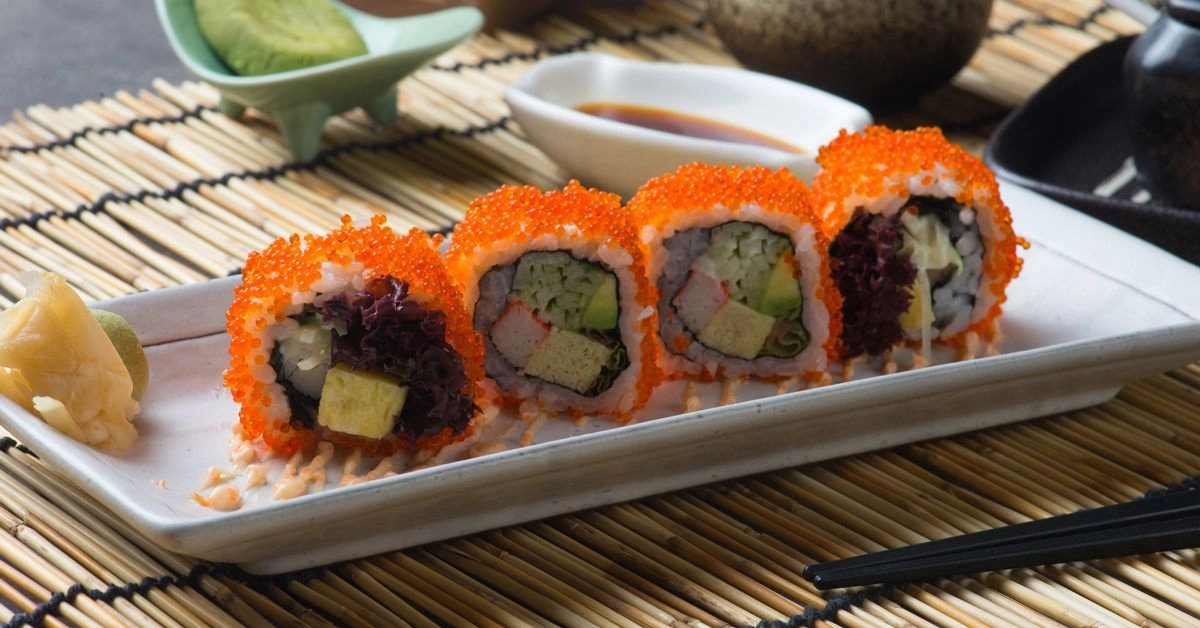
Masago, also known as smelt roe, refers to the edible eggs of the capelin fish. They’re rich in protein, essential nutrients, and vitamin B12. However, people with high blood pressure or seafood sensitivities should exercise caution when consuming this ingredient.
Fish roe are the fully developed eggs of various fish species, including sturgeon, salmon, and herring.
Masago comes from capelin, a small forage fish that inhabits the cold waters of the North Atlantic, North Pacific, and Arctic oceans.
Widely used in Asian cooking, masago is prized for its distinctive flavor and is regarded as a specialty ingredient.
This article examines the nutrition, possible benefits, drawbacks, and culinary uses of masago.

What is masago?
Smelt roe — commonly called masago — are the edible eggs of the capelin (Mallotus villosus), a member of the smelt family.
Capelin are forage fish, serving as a key food source for larger predators such as cod, seabirds, seals, and whales.
These small, silvery-green fish resemble sardines in appearance.
Although capelin flesh is edible, the species is primarily harvested for other products, including masago.
Roughly 80% of harvested capelin is processed into fishmeal and fish oil, while about 20% is used to produce masago (1).
Female capelin start releasing eggs around 2–4 years of age and spawn until they die.
Masago is collected from female capelin when their eggs are mature but before spawning.
Typically used as a sushi ingredient, masago is naturally pale yellow but is frequently dyed vivid colors — such as orange, red, or green — to enhance presentation.
It has a subtle flavor and is sometimes blended with ingredients like wasabi, squid ink, or ginger.
Masago vs. tobiko
Masago is often mistaken for tobiko — the roe of flying fish. While similar, there are notable differences between the two.
Masago is smaller and less costly than tobiko, which is why it’s commonly substituted for tobiko in sushi preparations.
Unlike tobiko’s naturally bright red color, masago is a muted yellow and is frequently colored to make dishes more visually appealing.
Flavor-wise they are similar, but masago is less crunchy than tobiko. Overall, tobiko is regarded as a more premium sushi ingredient due to its texture and price.
Summary: Masago is sourced from female capelin before spawning. It’s commonly used in sushi and is often colored to make dishes more attractive.
Low in calories but nutrient-dense
Like other fish roe, masago is low in calories while offering a range of important nutrients.
Just 1 ounce (28 grams) of fish roe provides (2):
- Calories: 40
- Fat: 2 grams
- Protein: 6 grams
- Carbohydrates: less than 1 gram
- Vitamin C: 7% of the Daily Value (DV)
- Vitamin E: 10% of the DV
- Riboflavin (B2): 12% of the DV
- Vitamin B12: 47% of the DV
- Folate (B9): 6% of the DV
- Phosphorus: 11% of the DV
- Selenium: 16% of the DV
Fish roe are especially high in vitamin B12, a water-soluble vitamin that must be obtained from diet or supplements because the body cannot synthesize it.
Vitamin B12 is essential for functions such as red blood cell formation, energy metabolism, nerve signaling, and DNA synthesis (3).
Masago is low in carbs but rich in protein and heart-healthy fats, including omega-3 fatty acids.
These polyunsaturated fats help modulate inflammation and are crucial for proper immune, cardiovascular, hormonal, and pulmonary function (4).
Fish roe is also abundant in amino acids — the components of protein — notably lysine, valine, histidine, leucine, isoleucine, and phenylalanine. Leucine and lysine are important for protein synthesis and muscle repair (5, 6).
Summary: Fish roe are low in calories yet provide healthy fats, protein, vitamins, and minerals.
Potential health advantages
Like many seafood items, masago is nutrient-rich and may deliver several health benefits.
An excellent source of high-quality protein
Despite its small size, masago delivers a notable quantity of protein.
A single 1-ounce (28-gram) portion supplies 6 grams of high-quality protein — roughly equivalent to one large (50-gram) egg (7).
Compared with carbohydrates and fats, protein is the most filling macronutrient and helps control appetite (8).
Including protein-rich foods like masago in meals can promote satiety and reduce overeating, which supports weight management (9).
Fish roe is a complete protein source, providing all nine essential amino acids the body requires.
Good source of selenium and vitamin B12
Masago supplies selenium, a mineral that functions as a potent antioxidant in the body.
Concentrated in seafood, selenium lowers oxidative stress and plays vital roles in thyroid and immune function (10).
Some studies suggest higher selenium status may improve immune response and help protect cognitive function, although findings are mixed (11, 12, 13).
Masago is also rich in vitamin B12, crucial for nerve integrity, energy production, and other physiological processes (14).
High in omega-3 fatty acids
Omega-3s are polyunsaturated fats associated with numerous health benefits.
These fats help regulate inflammation, influence blood clotting, and are key components of cell membranes.
Evidence links higher dietary intake of omega-3–rich foods with a reduced risk of cardiovascular conditions such as heart failure and coronary artery disease (15, 16).
Fish and fish-derived products like masago are among the best dietary sources of omega-3 fatty acids.
Low mercury levels
Because capelin are small forage fish, they typically contain far less mercury than larger predatory fish such as mackerel and swordfish.
Moreover, studies show fish roe often has lower mercury concentrations compared with other fish tissues like organs and muscle (17).
Therefore, roe like masago can be a safer option for those aiming to minimize mercury exposure.
Summary: Masago provides important nutrients — including protein, vitamin B12, selenium, and omega-3s — that may support health. It’s also relatively low in mercury, helping reduce heavy-metal exposure.
Possible drawbacks
Despite its benefits, masago has some potential disadvantages.
Environmental concerns with capelin fisheries
While masago may be preferable to some seafood choices, consumers should be aware of ecological concerns related to capelin fishing and potential bycatch of endangered or overfished species.
Environmental groups have raised questions about capelin population trends and certain fishing practices (18).
Because egg-bearing female capelin are often targeted to supply masago demand, some organizations worry this practice could negatively affect population levels over time (19).
High sodium
Like most fish roe, masago contains a lot of sodium.
Additionally, masago is frequently combined with salty components — such as soy sauce and added salt — which further increases the final product’s sodium content.
Excessive salt intake can be detrimental and may raise blood pressure in salt-sensitive individuals (20, 21).
Allergy risk
Since masago is a seafood item, people with fish or shellfish allergies should avoid it.
Fish roe contains vitellogenin, a yolk protein that has been identified as a potential allergen (22).
Fish roe can even provoke allergic responses in individuals without prior seafood allergies, including skin rashes, airway constriction, and low blood pressure (23).
In Japan, fish roe ranks as the sixth most common food allergen (24).
Often combined with other additives
Consumers should be mindful of ingredients commonly mixed with masago, such as high fructose corn syrup and monosodium glutamate (MSG).
Frequent intake of high fructose corn syrup is associated with metabolic disturbances, insulin resistance, and inflammation (25).
MSG is a flavor enhancer sometimes used in products like masago. Although robust evidence linking MSG to widespread adverse effects is limited, some people report headaches, weakness, and flushing after consuming it (26).
Summary: Masago can be high in sodium and may contain additives like MSG and high fructose corn syrup that some people prefer to limit. Certain capelin fishing methods also raise ecological worries.
How to incorporate it into meals
Masago is a versatile ingredient that can be used in several ways.
Its semi-crisp texture and salty taste make it an excellent addition to Asian-inspired dishes and appetizers.
It’s available from many seafood suppliers in a variety of flavors, including ginger, wasabi, and squid ink.
Here are some ideas for adding masago to your diet:
- Garnish homemade sushi rolls with a few teaspoons of masago.
- Pair masago with cheese and fruit on a platter for an appealing appetizer.
- Use masago to boost the flavor of rice dishes.
- Spoon masago over poke bowls as a distinctive topping.
- Add masago to Asian noodle recipes.
- Top cooked fish with masago for an interesting flavor contrast.
- Mix masago into wasabi or spicy mayo to dress sushi rolls.
Because masago is typically salty, a small amount goes a long way in terms of flavor impact.
Although it’s most commonly used in Asian cuisine, masago can be incorporated into any recipe that benefits from a salty, umami boost.
Summary: Masago can be used in Asian dishes like noodles, rice, and sushi, and also works well in dips and as a topping for fish.
The bottom line
Masago, or smelt roe, are the edible eggs of the capelin fish.
They’re packed with protein and nutrients such as omega-3s, selenium, and vitamin B12.
Be cautious with roe products that include added salt, MSG, or high fructose corn syrup; limit masago if you have high blood pressure, and avoid it entirely if you have a seafood allergy.
If you tolerate seafood and want an intriguing ingredient to lend unique flavor to your meals, consider trying masago.



















Leave a Reply
You must be logged in to post a comment.