
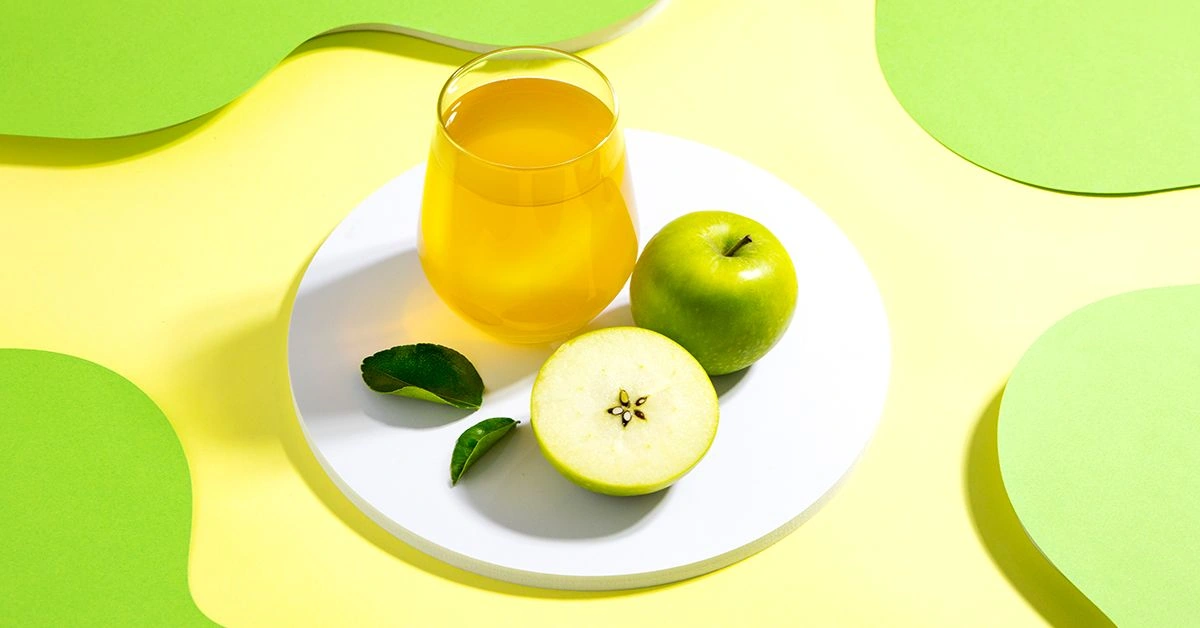
When apples are pressed into juice, their hydration potential is enhanced and some phytochemicals remain. However, juicing diminishes other advantages of whole apples, such as fiber content and the capacity to curb appetite.
Apples contain many health-promoting compounds that may support cardiovascular, cognitive, and physical well-being. Apple juice is produced by extracting liquid from apples.
There are certain health perks to drinking apple juice, but consuming it in large amounts—particularly ultra-processed versions with added sugars—can carry risks.
Below are 4 advantages and 5 potential drawbacks of consuming apple juice.
1. Helps with hydration
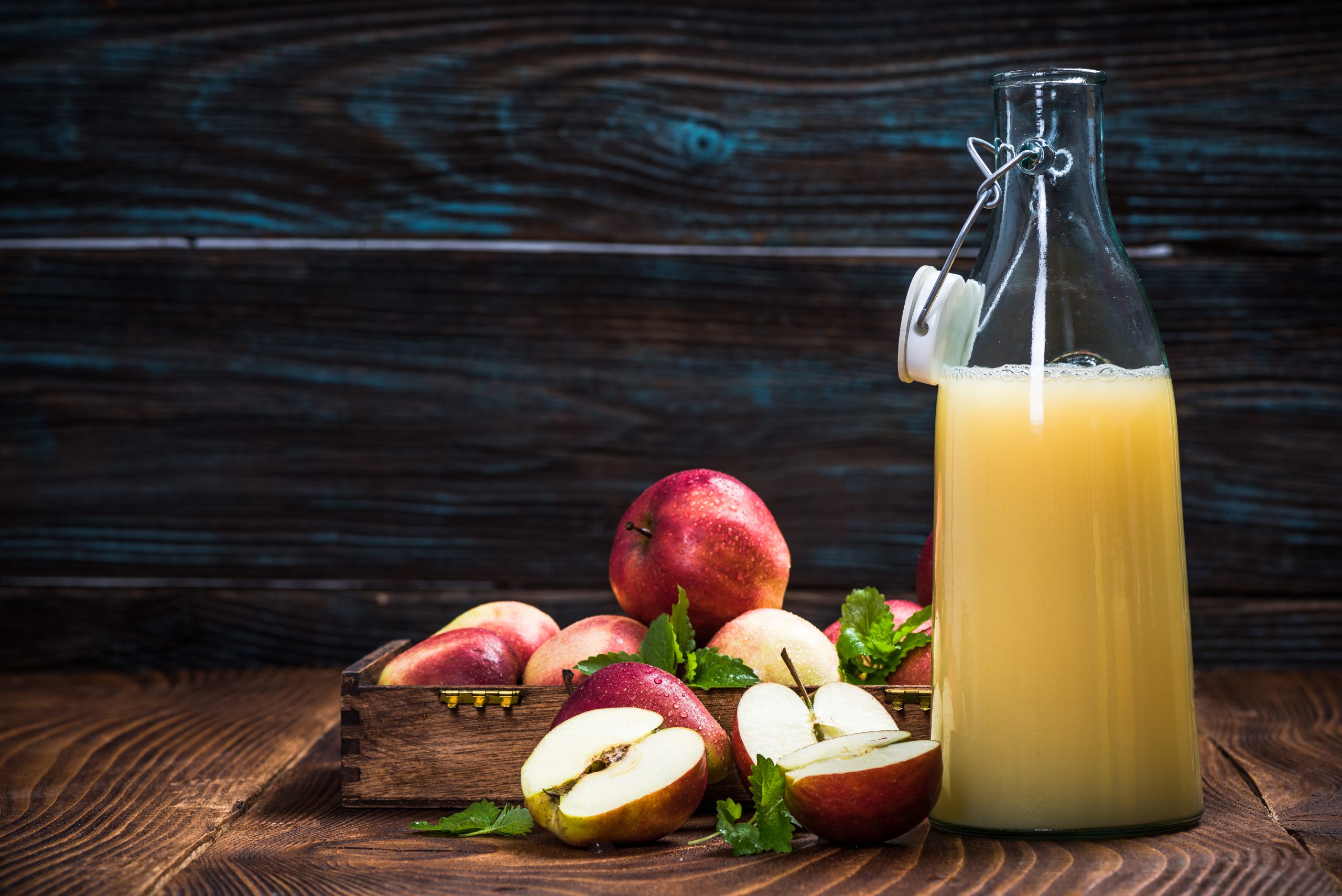
Apple juice is about 88% water and has a pleasant taste, making it easy to drink—especially for people who are ill and at higher risk of dehydration.
Indeed, some pediatricians advise serving half-strength apple juice—equal parts juice and water—for mildly dehydrated children aged 1 year and older.
In a 2016 trial of children with mild gastroenteritis and minimal dehydration, those given diluted apple juice were 6.5% less likely to need intravenous fluids than children given a commercial electrolyte solution.
Although electrolyte solutions are formulated specifically for rehydration, some kids dislike their flavor and refuse them. They can also be costly. Therefore, diluted apple juice may serve as a practical, more agreeable substitute.
Be sure to dilute juice for rehydration, since the high sugar concentration of undiluted juice can pull excess water into the intestines and worsen diarrhea, particularly during recovery from illness.
For more severe dehydration, medically formulated electrolyte drinks remain the recommendation.
2. Has beneficial plant compounds
Apple juice can retain some of the protective plant chemicals found in whole apples, including:
- triterpenoids
- flavanols, such as catechins, epicatechin, and procyanidins
- flavonols, such as quercetin
- phenolic acids
- dihydrochalcones
- anthocyanins
These phytochemicals may help shield cells from inflammation and oxidative injury, help regulate blood lipids, and support circulation and endothelial function. These processes influence chronic diseases, including some cancers and heart disease.
Although many of these compounds are concentrated in the peel, some from the apple flesh remain in the juice.
To obtain more polyphenols, choose cloudy juice that contains pulp rather than clear juice, which has the solids filtered out. Cloudy options are more commonly offered as organic.
3. Potentially supports heart health
Plant compounds present in apple juice may be especially helpful for cardiovascular health.
Polyphenols might prevent LDL (bad) cholesterol from becoming oxidized and depositing in arteries. Elevated oxidized LDL is associated with a higher risk of heart attack and stroke.
While the antioxidant effects suggest possible protection against heart disease, additional human research is required to confirm apple juice’s cardiovascular benefits.
4. May help protect the aging brain
Some older studies in humans and animals indicate apple juice could support cognitive function and mental well-being with age.
This effect may stem from the antioxidant properties of polyphenols in the juice, which can protect the brain from damage by free radicals. It might also be related to apple juice’s influence on the gut microbiome.
In a 2010 trial, individuals with Alzheimer’s disease who consumed 1 cup (240 mL) of apple juice daily for a month showed improvements in behavioral symptoms—such as anxiety, agitation, and false beliefs—but did not improve in memory or problem-solving.
More human trials are needed to confirm cognitive benefits and determine optimal dosing.
5 possible drawbacks of apple juice
Juicing apples can reduce the amount of beneficial compounds in the fruit by roughly 90%, potentially limiting some health advantages.
Ultra-processed versions are often highly laden with added sugars, artificial sweeteners, and other additives that may raise the risk of various health issues.
Here are five concerns linked to drinking apple juice, along with tips to reduce some of the risks.
1. Could promote weight gain
Controlling portions matters when you drink apple juice and watch your daily calorie intake. One cup (248 grams) of unsweetened apple juice contains 114 calories, while a medium apple (140 g) has 85 calories.
Juice is also consumed more rapidly than a whole apple, which can lead to a higher calorie intake in a short time.
Moreover, fruit juice is less satiating than whole foods, which take longer to digest primarily because they contain more fiber. This may cause you to eat more calories overall.
The American Academy of Pediatrics (AAP) suggests these daily juice limits by age:
- 1 to 3 years: 1/2 cup (120 mL)
- 3 to 6 years: 1/2 to 3/4 cup (120 to 175 mL)
- 7 years and older: 1 cup (240 mL)
2. Provides limited vitamins and minerals
Although apple juice comes from apples, it typically contains fewer vitamins, minerals, and nutrients. A 1-cup (240-mL) serving delivers under 10% of the Reference Daily Intake (RDI) for any micronutrient.
That said, vitamin C (ascorbic acid) is often added. Many apple juices are fortified to supply 100% or more of the RDI for vitamin C per serving.
If it’s not fortified, apple juice supplies about 2% of the RDI for vitamin C per cup. For comparison, a medium (200 g) apple averages 10% of the RDI.
Eat a varied selection of whole fruits and vegetables to ensure adequate daily nutrient intake.
3. High in sugars and low in fiber
When selecting apple juice, prefer 100% juice rather than beverages combining juice with added sugar and water.
High intake of added sugars is linked to multiple health problems, including type 2 diabetes, obesity, and hypertension.
Even 100% fruit juice includes free sugars, which carry health risks and are largely stripped of fiber that helps regulate blood sugar, digestion, and weight.
Most of the calories in unsweetened, 100% apple juice come from carbohydrates—mainly naturally occurring sugars like fructose and glucose. One cup (240 g) of apple juice has 0.5 g of fiber, compared with 4.2 g in a medium apple (200 g) with the peel.
If you drink apple juice, choose unsweetened, natural options and pair them with foods containing protein and healthy fats to lessen blood sugar spikes.
4. Can increase risk of tooth decay
Consuming fruit juice may be associated with a higher risk of dental cavities and enamel erosion. Oral bacteria feed on the sugars in juice and produce acids that wear away tooth enamel and cause cavities.
In a 2018 lab study comparing 12 fruit juices’ dental effects, apple juice eroded enamel the most.
If you drink apple juice, avoid swishing it in your mouth. The longer your teeth are exposed to sugars, the greater the cavity risk. Using a straw may also help reduce exposure and lower the risk of decay.
5. May contain pesticide residues
Pesticides are used to protect crops from pests, weeds, and fungi. Drinking non-organic juice can expose you to trace pesticide residues.
A 2020 USDA report testing 724 samples of non-organic, 100% apple juice found that 46.1% contained detectable levels of at least one pesticide.
Although these residues were below U.S. Environmental Protection Agency (EPA) limits, children are more susceptible to pesticide exposure than adults.
For that reason, consider organic juice if you or your child consumes apple juice regularly.
The bottom line
Apple juice can be useful for rehydration when you’re ill. Its phytochemicals may also offer some protection for the heart and brain as you age.
However, apple juice is not as satiating as whole apples and provides less fiber, vitamins, and minerals.
Choose cloudy, organic juice with pulp to gain more beneficial plant compounds and reduce potential pesticide exposure.






















Leave a Reply
You must be logged in to post a comment.