

Herbal detox regimens are among the most debated remedies in the wellness world.
Advocates of natural medicine often assert these cleanses remove toxins and aid weight loss. Conversely, many clinicians doubt these assertions and warn about possible harms.
This piece explains what herbal detoxes are, examines the evidence for their effectiveness, and outlines possible dangers.
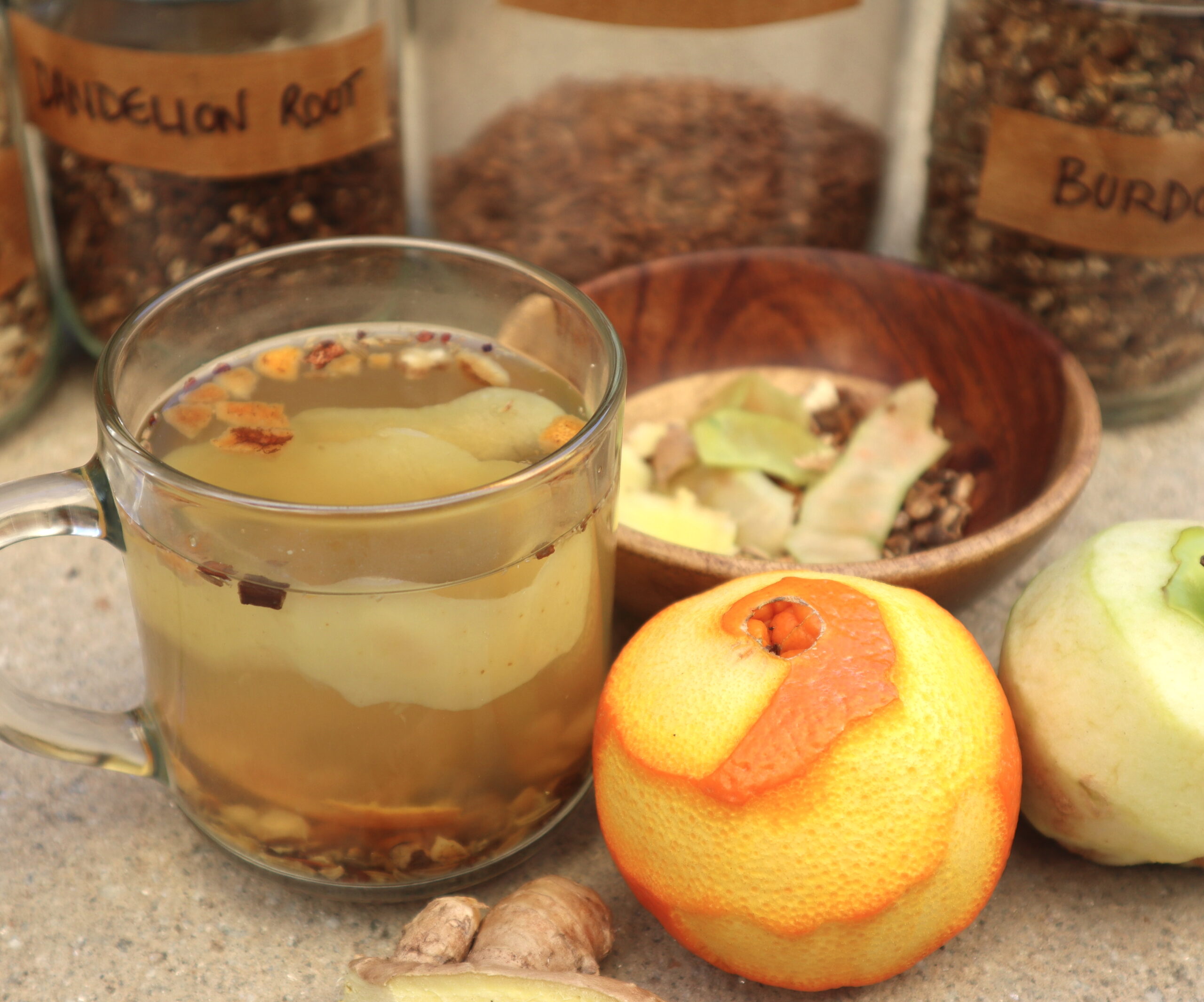
What are herbal detoxes?
Herbal detoxes typically come as drinks or teas made from blends of herbs. Despite limited scientific support, people use them claiming they help shed pounds and clear toxins.
Detox durations differ, but most plans are brief—commonly 3–14 days. Still, some products are marketed for continual, daily “support.”
Common ingredients
Many herbal detox formulations include plant-based ingredients that are promoted to support weight control and liver function, regulate blood sugar, and remove toxins.
Frequently listed components include valerian root, licorice, cilantro, coriander, chlorella, milk thistle, dandelion root, skullcap, rhubarb root, ginger, juniper berry, and burdock root.
Some limited animal studies suggest a few of these plants may have chelating effects—binding to metals—but there’s no proof they actually detoxify the human body (1).
Summary: Herbal detoxes make various health promises, like eliminating toxins, aiding weight loss, and helping blood sugar control. They’re usually short-term (3–14 days), though some are promoted for ongoing use.
Do detoxes work?
Despite their popularity, most claims about herbal detoxes are exaggerated and lack robust scientific backing.
Removing toxins
Detox product labels often present long ingredient lists but rarely specify which toxins they target or provide evidence that they are effective.
Your body already has a built-in detox system: the liver, kidneys, intestines, and skin continuously remove waste through feces, urine, and, to a lesser extent, sweat (2, 3, 4, 5).
No clinical trials have demonstrated that healthy people accumulate toxins requiring removal, nor that herbal detoxes enhance the body’s regular detox functions.
Effects on weight loss
While some report feeling improved after a detox, this likely reflects other positive changes—such as cutting processed foods and eating more nutrient-rich whole foods.
Short-term weight loss during a detox is often temporary. Many detox formulations include diuretic ingredients that boost urine and bowel output, causing rapid water weight loss (6, 7).
Such cyclical weight loss and regain can contribute to unhealthy thoughts and behaviors around eating, as people may become discouraged after the weight returns (7).
Long-term use of detoxes can even cause loss of muscle and fat. Increased bowel movements may lead to faster elimination of nutrients than the body can absorb, which is unsafe and should be avoided (7).
Instead of relying on a detox for weight loss, choose sustainable habits: balanced nutrition, regular physical activity, stress management, and adequate sleep (8, 9).
Other claims
Manufacturers often claim detox drinks stabilize blood sugar, reduce bloating and acne, and boost energy.
However, there’s no solid research confirming these benefits. If you have diabetes or other health issues, consult your healthcare professional before using such products.
Summary: There’s no convincing proof that herbal detoxes remove toxins or reliably produce weight loss. Your liver, kidneys, intestines, and skin already handle waste removal naturally.
Potential risks
It’s important to understand possible risks before trying an herbal detox.
Unknown ingredients
Many detox products are not regulated and might include ingredients not listed on the label or in much higher doses than stated. This raises the risk of overdosing on certain compounds, which can cause severe adverse effects or even be fatal (10).
Regulators such as the USDA have acted against several herbal detox products for false claims, harmful ingredients, and incorrect labeling (10).
“Natural” does not automatically mean safe, nor does it justify large or prolonged use.
Side effects
Detoxes containing diuretics can cause dehydration and dangerously low electrolyte levels, which may be life-threatening (1, 11).
For example, a 67-year-old man developed nausea, tremors, and weakness after consuming an herbal detox with uva ursi leaves and juniper berries for 5 days; he required intensive care for severe electrolyte depletion (12).
In 2017, a 60-year-old woman died from liver failure after drinking a Yogi “detox” tea three times daily for 14 days; the blend of 18 herbs was suspected to have caused her liver damage (13).
Another case involved a 50-year-old woman who died of multiple organ failure after taking an herbal Epsom salt cleanse, which led to manganese toxicity (14).
Regular use of herbal detoxes can also cause severe weight loss and nutritional deficiencies because the body has insufficient time to absorb calories, vitamins, and minerals (1, 11).
At-risk populations
Certain groups should especially avoid herbal detoxes, including:
- pregnant or breastfeeding individuals
- children and teenagers
- people with chronic conditions such as cancer, diabetes, Crohn’s disease, or ulcerative colitis
- those with liver or kidney disease
- individuals with a history of disordered eating or eating disorders
- people who are malnourished or at high risk of malnutrition, like some older adults
Consult your healthcare provider before trying an herbal detox.
Drug interactions
Many herbs affect how drugs are metabolized in the liver, which can weaken or intensify medication effects and pose serious risks (15, 16, 17, 18).
Because detox products often contain many different herbs, talk with your clinician before beginning an herbal cleanse if you take prescription or over-the-counter medications (15, 16, 17, 18).
Summary: Herbal detoxes aren’t regulated and may include unsafe substances that can produce serious side effects, and in rare instances, death. Consult your healthcare provider before trying one.
The bottom line
Herbal detoxes remain trendy because of their numerous health claims, but these assertions are largely unproven.
Although the idea of cleansing the body is appealing, there’s no solid evidence that herbal detoxes remove toxins or support sustained weight loss.
To improve health, prioritize long-term habits—such as a balanced diet and regular exercise—rather than resorting to a potentially hazardous detox.



















Leave a Reply
You must be logged in to post a comment.