

Maple syrup is often touted as a potentially healthier substitute for refined sugar because it provides minerals, vitamins, and antioxidants. Still, its substantial sugar concentration means it should be used sparingly.
Extracted from maple trees, maple syrup is a beloved natural sweetener thanks to its distinct flavor. Although some people view it as a more wholesome option than table sugar and other sweetening agents, robust evidence supporting that idea is limited.
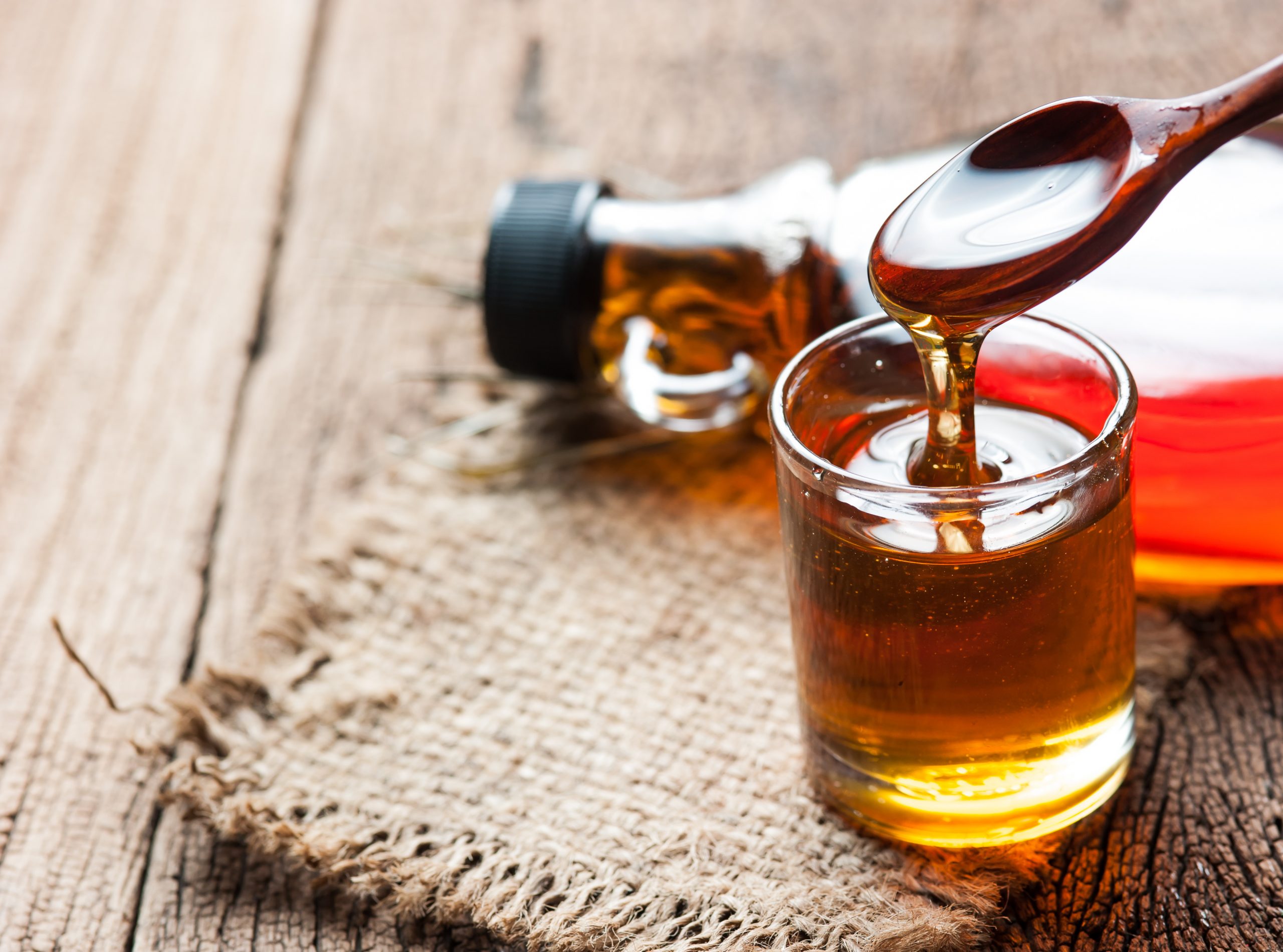
Is maple syrup good for you?
When compared with refined white sugar or high-fructose corn syrup, maple syrup can be a preferable sweetener choice. That said, this doesn’t automatically make it healthy—especially in large amounts—because it is rich in sucrose.
Pure maple syrup, despite its high sugar content, contains several minerals such as manganese, zinc, calcium, and potassium. It also harbors over 50 bioactive molecules that may provide antioxidant and anti-inflammatory effects. For instance, quebecol, a polyphenolic compound from maple sap, has been investigated for potential anticancer and anti-inflammatory actions.
A 2023 rodent study in which animals consumed a high-fat, high-sugar diet found that swapping refined sugar for maple syrup modestly improved glucose handling, supported a healthier gut microbiome, and lowered insulin resistance in mice. The substitution seemed to slow carbohydrate digestion, contributing to steadier blood glucose levels.
Although the overall diet still produced negative outcomes due to high sugar, replacing refined sugar with maple syrup appeared somewhat less detrimental in that model.
However, because this research was performed in mice, the findings cannot be directly extrapolated to humans without further study.
Additional investigations have indicated that maple syrup can inhibit enzymes that digest carbohydrates and exhibit antioxidant activity. Most of these studies, however, are laboratory-based or animal experiments and focus on replacing refined sugars with maple syrup, which does not conclusively prove intrinsic health benefits of maple syrup itself.
Pure versus table syrup
Pure maple syrup is produced from maple sap and typically undergoes little to no refinement, enabling it to retain more of its natural nutrients.
Table syrup is a manufactured imitation that frequently includes added sweeteners, caramel or flavoring agents, and preservatives.
While pure maple syrup is the better option nutritionally, it remains high in sugar and should be enjoyed in moderation.

Nutritional content of pure maple syrup
Maple syrup is primarily a carbohydrate source, rich in sugars such as sucrose, glucose, fructose, and various oligosaccharides.
One tablespoon (about 20 grams) of pure maple syrup provides roughly 52 calories and around 13 grams of carbohydrates.
It also supplies other nutrients, including:
- minerals such as calcium: 20 mg (2% DV on a 2,000-calorie diet); potassium: 42 mg (1% DV); manganese: 0.58 mg (25% DV); iron: 0.02 mg (<1% DV); magnesium: 4 mg (<1% DV); zinc: 0.3 mg (3% DV)
- organic acids, including malic acid and fumaric acid
- amino acids like arginine, threonine, proline, and leucine
- phytohormones such as phaseic acid and abscisic acid
- vitamins including niacin: 0.02 mg (<1% DV); thiamine: 0.01 mg (<1% DV); riboflavin: 0.25 mg (19% DV)
Health concerns of maple syrup
Imitation table syrups generally contain preservatives, extra sugars, artificial coloring, and other synthetic additives. Many also use high-fructose corn syrup, which—when eaten in excess—has been linked to conditions like diabetes, nonalcoholic fatty liver disease, and metabolic syndrome.
Even pure maple syrup, without additives, is sugar-dense. Excessive intake of sugars in general has been associated with:
- elevated blood glucose and insulin resistance
- type 2 diabetes
- cardiovascular disease
- obesity
- dental cavities
If you have prediabetes or diabetes, you may need to restrict maple syrup and consult a healthcare professional before incorporating it regularly into your eating plan.
Takeaway
Pure maple syrup can be a preferable substitute for other sweeteners like refined sugar because it contains antioxidants, vitamins, and minerals. Still, these beneficial components exist in relatively small amounts, so maple syrup should not be considered categorically healthy.
Because maple syrup is high in sucrose, consuming it in large quantities may contribute to metabolic, heart, and dental problems.
Use maple syrup thoughtfully and in small amounts as a minimally processed alternative to refined sweeteners.






















Leave a Reply
You must be logged in to post a comment.