

Back discomfort after sneezing can stem from a herniated disc, strained muscles, sciatica, or a vertebral compression fracture (VCF). Several at-home approaches may help reduce your symptoms.
Occasionally a single sneeze can leave you immobilized as a sharp, sudden pain seizes your back. As you try to figure out what happened, you might wonder how a sneeze and back pain are connected.
Sometimes the abrupt, awkward motion of a forceful sneeze actually causes the injury. Other times, the sneeze merely provokes pain from a pre-existing muscle or nerve condition in your back.
This article examines common reasons you might get back pain when sneezing and offers ways to protect your spine.
What can cause back pain when you sneeze?
A severe sneeze can set off — or amplify — a range of muscle, bone, and nerve problems that already exist in the back.
Herniated disc
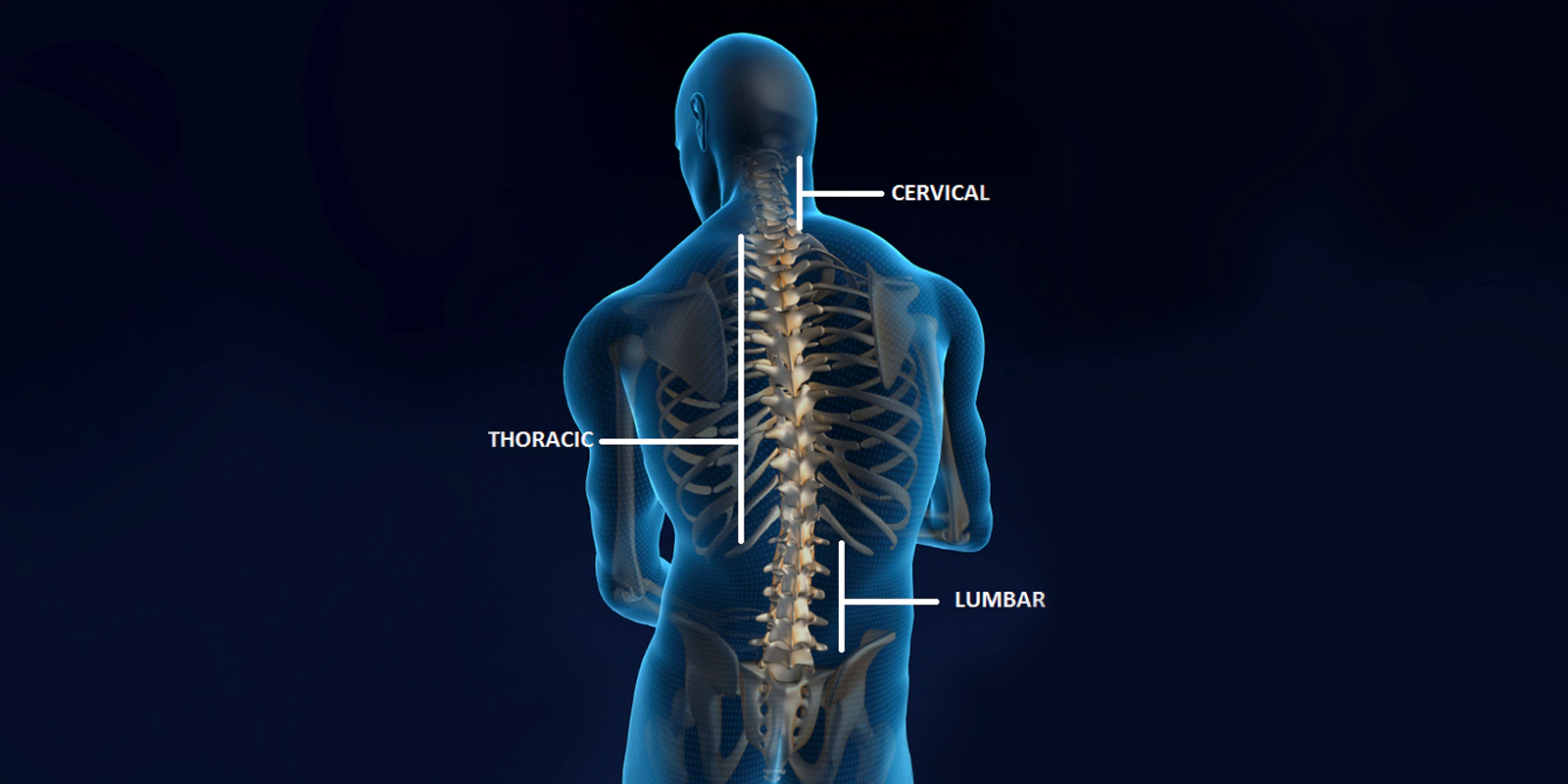
Between each vertebra — the bones that form your spinal column and protect the spinal cord — lie resilient, cushion-like discs. Each disc has a tough outer layer and a softer, gel-like core.
A herniated (or ruptured) disc happens when that inner gel pushes through a tear in the outer layer and presses on nearby nerves or the spinal cord.
A herniated disc isn’t always painful and can often be managed. But actions such as sneezing or coughing can force the inner material to press more on a nerve, producing a sudden sharp pain.
Muscle strain
A muscle strain, commonly called a pulled muscle, is an overstretching or tearing of muscle fibers. It typically results from activities like twisting, lifting improperly, or overexerting yourself during exercise.
If your back muscles are strained, movement, bending, or turning your torso may be painful. Sneezing increases pressure on those muscles and can cause a painful spasm. In some instances, a very forceful sneeze can even create a muscle strain.
Vertebral compression fracture
A vertebral compression fracture (VCF) occurs when part of a vertebra collapses. The American Association of Neurological Surgeons calls it the most common fracture in people with osteoporosis, a condition that weakens bones.
In severe osteoporosis, a sneeze or climbing a short flight of stairs can lead to a VCF. With milder osteoporosis, a fall or other trauma is usually needed to cause this type of vertebral collapse.
Sciatica
The sciatic nerve is the body’s longest and thickest nerve, extending from the lower spine through the pelvis and branching down each leg.
When the sciatic nerve is irritated or compressed — a condition known as sciatica — it can cause pain in the back and legs. A sudden sneeze can exert pressure on this substantial yet vulnerable nerve, causing shooting pain or numbness down one or both legs.
If a sneeze worsens your sciatica symptoms, it could indicate a significant herniated disc that needs evaluation.
Can sneezing cause back pain?
Your back supports almost every upper-body movement. Lifting, reaching, bending, turning, playing sports, and even standing or sitting all rely on the spine and back muscles functioning properly.
Despite their strength, the spine and back muscles are susceptible to strain and injury. You’ve probably felt that familiar twinge after lifting something heavy or overdoing yard work.
Sudden awkward motions, like an intense sneeze, can also spark brief or persistent back pain. Sneezing involves contraction of the diaphragm and intercostal muscles (between the ribs) to expel air rapidly.
A violent sneeze can strain chest muscles, and if your back muscles aren’t braced for the motion, the abrupt tension and awkward positioning can cause a spasm — an involuntary, often painful tightening of one or more muscles.
Those rapid, forceful movements from a big sneeze can also damage ligaments, nerves, and the spinal discs, in a manner similar to whiplash injuries in the neck. While a herniated disc commonly develops over time from repeated wear-and-tear, a single intense strain can also force a disc to bulge outward.
Summary
The sudden contraction of abdominal muscles during a strong sneeze can strain your back muscles. A violent sneeze may also harm ligaments, nerves, or the discs between vertebrae.
How to protect your back when sneezing
If you have back pain and feel a sneeze coming on, standing rather than staying seated can help protect your spine. Standing generally decreases force on the spinal discs.
A 2014 study suggests standing, leaning forward, and placing your hands on a table, counter, or sturdy surface while sneezing may further reduce pressure on your spine and back muscles.
Leaning against a wall with a cushion supporting your lower back may also offer relief. If you find yourself worried about unexpected sneezes, simple tactics like these can lessen the chance of a painful episode — and if the sneeze is triggered by a tickle, consider reading about how some people pee when i sneeze as a related pelvic-floor concern.
Home remedies for back pain
When you’re coping with back pain, finding practical relief matters. Common at-home measures that can help include:
- Ice. For acute muscle strains, apply an ice pack wrapped in cloth to the painful area to lower inflammation. Use it several times daily for up to 20 minutes per session.
- Heat. After a few days of icing, switch to a warm pack for 20 minutes at a time to boost circulation in tight muscles.
- Over-the-counter pain relievers. Medications such as naproxen (Aleve) or ibuprofen (Advil, Motrin) can reduce inflammation and relieve muscle-related pain.
- Stretching. Gentle stretches, like overhead reaches and side bends, may reduce tension. Stop if you feel sharp pain and avoid stretching beyond mild tension. If unsure how to stretch safely, consult a certified trainer or physical therapist.
- Light exercise. Long periods of inactivity can worsen back pain. A 2010 review found that gentle activity — walking, swimming, or normal daily tasks — increases blood flow and aids healing.
- Proper posture. Maintaining good posture when standing or sitting helps prevent excess pressure on the back. Keep shoulders back, avoid slouching, and ensure your neck and spine are aligned when working at a computer, with the screen at eye level.
- Stress management. Stress can cause physical tension, including in the back. Deep breathing, meditation, and yoga may reduce stress and loosen tight back muscles.
When to see a doctor
If sudden back pain doesn’t improve with home care within a couple of weeks or if it worsens, see your doctor.
Seek immediate medical attention for back pain accompanied by:
- loss of feeling in the lower back, hips, legs, or groin
- loss of bladder or bowel control
- a history of cancer
- pain that radiates from the back down the leg below the knee
- any other abrupt or unusual symptoms such as high fever or abdominal pain
The takeaway
If you have back problems, you’ve likely experienced how a sneeze, cough, misstep, or other routine action can provoke back pain.
If a sneeze triggers a painful spasm or lasting back pain, it might signal an underlying spinal issue.
If pain persists or interferes with daily activities, consult your doctor to identify the cause. Understanding the reason for your back pain can help prevent or lessen similar episodes the next time you feel a tickle in your nose.























Leave a Reply
You must be logged in to post a comment.