
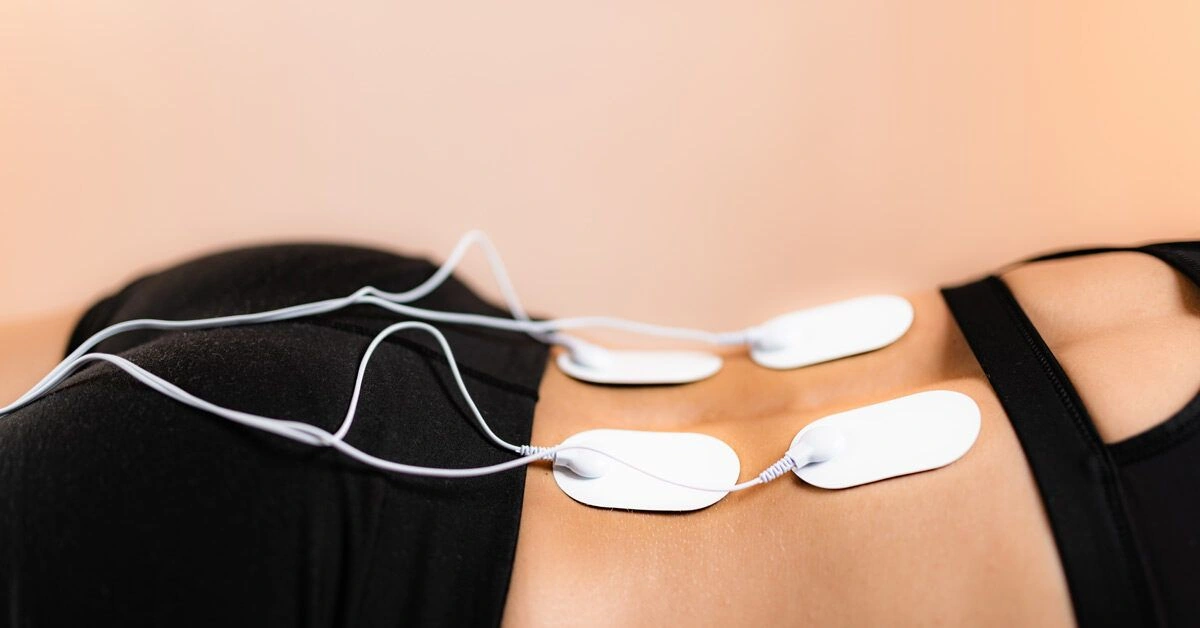
Although experts differ on how well it works for lower back pain, transcutaneous electrical nerve stimulation (TENS) is generally regarded as safe and carries a low chance of complications. Below is guidance on where to position TENS electrodes to address this kind of pain.
A TENS device is a compact unit that sends electrical pulses through adhesive pads applied to a specific part of your body to help ease pain. It is thought to function by interrupting pain signals before they reach the spinal cord and brain.
The concept of TENS reportedly goes back nearly 2,000 years, when the Roman physician Scribonius Largus proposed that “electrical fish” from the sea might relieve pain.
Today, TENS is FDA cleared for relief of:
- chronic pain
- postoperative or acute injury pain
- temporary soreness and aching muscles from exercise, household tasks, or work
- arthritis-related pain
Continue reading to find out more about using a TENS device to potentially manage back pain.
Where do you place TENS pads for lower back pain?
TENS systems include two or four adhesive electrode pads that adhere to the skin. Position the pads around the painful region.
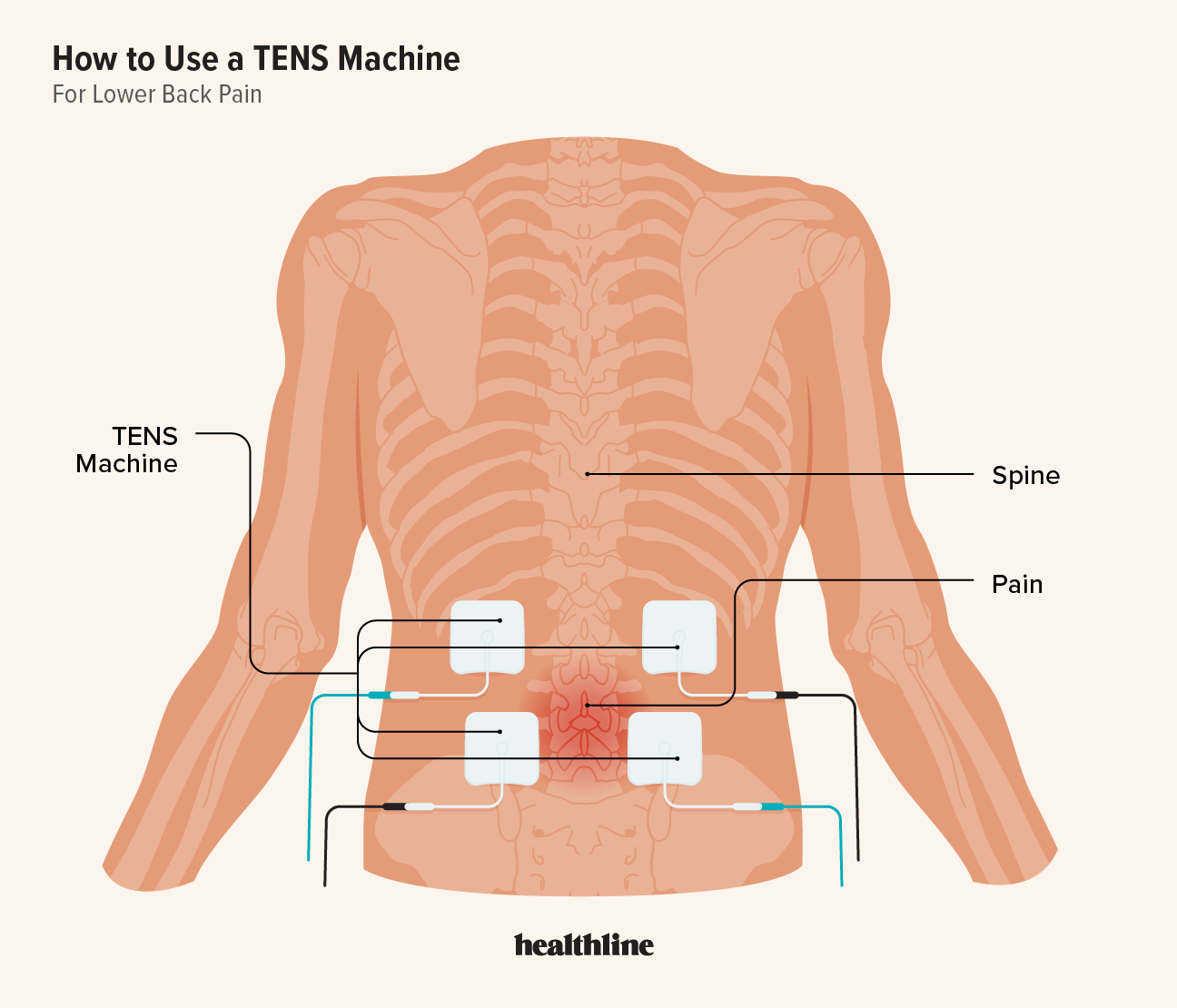
If your device has two pads, place one pad on each side of the painful area, keeping them at least 1 inch apart. If both sides of your lower back hurt, position one pad on each side of the spine. If pain is localized to one side, you can place both electrodes next to each other on that same side.
With a four-pad setup, you can place a pair just above and another pair just below the painful spot.
Can I put a TENS unit directly on my spine?
It’s advisable not to put TENS pads directly over the spine. Other places to avoid applying TENS pads include:
- the front or sides of the neck
- the sides of the head
- close to the eyes or mouth
- areas with numbness
- varicose veins
- skin that’s infected or irritated
- the chest and upper back simultaneously
How to use a TENS unit for lower back pain
Before using TENS at home, it’s wise to consult a healthcare professional to determine if it might help your condition and to learn proper use.
Below is a basic approach to using a TENS device for lower back pain at home. For lower back applications, you’ll often need someone to assist with placing the pads and connecting the electrode leads before starting treatment.
- Clean the skin where you’ll place the pads with water or rubbing alcohol and allow it to air dry.
- With the device switched off, position the pads on the skin at least 1 inch apart.
- Connect the lead wires to the electrode pads and to the TENS unit.
- Turn the device on and select the desired frequency and intensity. Practitioners commonly use frequencies between 50 hertz (Hz) and 150 Hz for pain control. Increase intensity until you feel a strong but comfortable tingling. Reduce intensity if you experience pain or discomfort.
- Run the unit for the length of your session. Typical sessions last between 15 and 60 minutes. If unsure, starting with 30 to 45 minutes is reasonable.
- Switch the device off and remove the pads when the session ends.
How often should you use a TENS unit for lower back pain?
Unlike many drugs, TENS is not associated with an overdose risk. You can use it as needed throughout the day for symptom relief. Many clinicians suggest applying it up to four times daily.
Risks and precautions
TENS is generally regarded as safe, with relatively few side effects. Some individuals may experience skin irritation where the pads are placed. Rarely, burns can occur at electrode sites.
Seek medical guidance before using TENS if you:
- have a pacemaker
- are pregnant or may be pregnant
- have epilepsy or a heart condition
Is a TENS machine good for lower back pain?
There remains ongoing debate in the scientific community about which pain types and conditions TENS effectively treats.
A 2021 review examined TENS for acute and chronic pain. The review summarized study findings as follows:
- Some benefit was reported in 69 studies.
- No benefit was found in 13 studies.
- Evidence was inconclusive in 87 studies.
What types of back pain does TENS treat?
Clinicians employ TENS for various lower back pain types, including:
- nonspecific lower back pain
- acute muscle strains
- chronic back pain
- postoperative pain
- labor pain
Where to get a TENS machine?
You can purchase a TENS device without a prescription, though insurance typically won’t pay for it. In certain cases, coverage may apply—for instance, Medicare may cover TENS for postoperative pain.
TENS units range in price from under $25 to over $150 and are available at many pharmacies, large retailers, and online stores.
Takeaway
TENS delivers electrical stimulation that can interrupt pain signals to the spinal cord and brain and may help relieve back pain, though research results are mixed.
While you can buy a TENS system without a prescription, consulting a healthcare provider is recommended so you learn proper pad placement and optimal device settings for your situation.





















Leave a Reply
You must be logged in to post a comment.