
Fast facts
About
- Radiesse is an injectable cosmetic therapy used to restore volume to targeted areas of the face and the hands.
- It triggers your body’s own collagen production, smoothing wrinkles over the long term while encouraging new collagen formation.
- This treatment targets folds and lines around the nose and mouth, areas of facial fat loss, and the backs of hands where volume has diminished.
- The majority of people receiving Radiesse are between 35 and 60 years old.
Safety
- Although Radiesse is generally regarded as nontoxic and hypoallergenic, treatment still carries potential risks.
- Common side effects include swelling, pain, itching, redness, bruising, and infection at the injection site.
- In rare instances, the injection may enter a blood vessel by mistake, resulting in serious (and occasionally permanent) complications.
- Other uncommon risks include the development of nodules on the hands that might need steroid or surgical treatment.
Convenience
- Radiesse is administered in a clinic setting and you can leave right after your appointment.
- The procedure typically takes no longer than 15 minutes.
- Radiesse injections should only be carried out by a trained, certified Radiesse practitioner.
- You should be able to resume normal activities immediately, though you’ll be advised to limit vigorous exercise and direct sun exposure for a short period.
Cost
- The price of Radiesse is difficult to pin down until you have an initial consultation.
- Each syringe usually costs between $650 and $800.
- The amount and scope of treatment will vary from person to person.
Efficacy
- Results from Radiesse are apparent right away.
- Complete effects develop within about a week after treatment.
- Some patients experience durable outcomes lasting up to two years before needing repeat procedures.
What is Radiesse?
Radiesse is a dermal filler injected to restore volume to creased or folded skin, most commonly on the face. As it functions, Radiesse promotes the natural collagen beneath your skin. It produces immediate improvement, can persist for as long as two years, and is a popular option for soft-tissue augmentation.
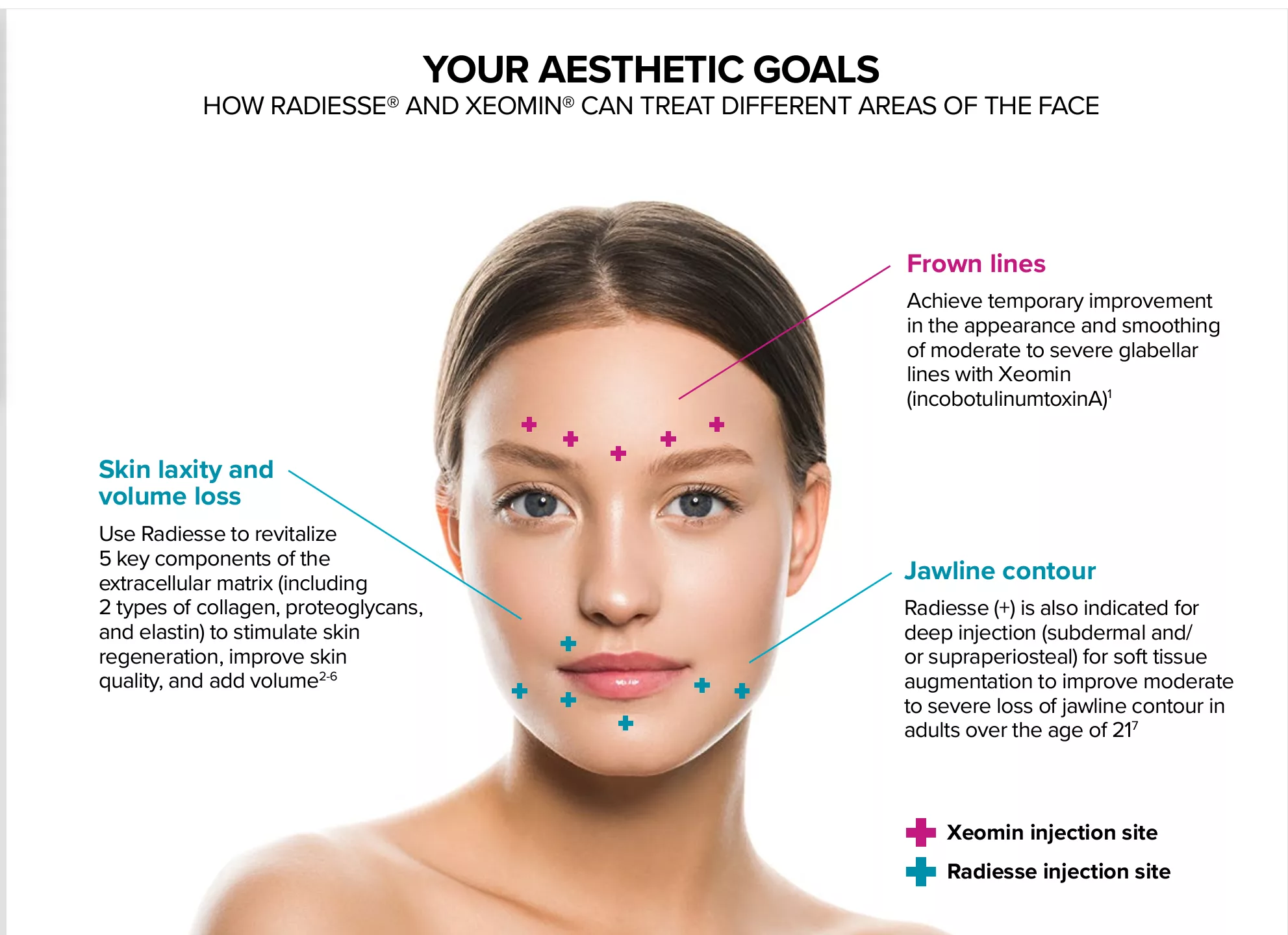
Applications of Radiesse most frequently include the area around the nose and mouth. Some individuals opt to have their hands treated to reduce the appearance of volume loss. The filler is injected beneath the skin using a fine needle. Components of Radiesse are nontoxic, nonallergenic, and compatible with the body’s tissues.
The ideal candidates for Radiesse are adults aged roughly 35 to 60 who have developed lines and folds around the nose and mouth. People wishing to add volume to the backs of their hands are also suitable. It may also be indicated for individuals who’ve experienced facial fat loss related to HIV.
How much does Radiesse cost?
Radiesse typically costs $650 to $800 per syringe. The total number of syringes needed depends on how many areas require treatment. Your clinician will recommend the number of injections based on the regions being treated.
Dosage per injection is another cost variable. Given these differing factors, it’s often hard to give a precise price estimate for Radiesse until after your first consultation.
Because Radiesse is an elective cosmetic procedure, insurance is unlikely to cover it. Be sure to obtain a detailed cost estimate from your provider. If the expense is prohibitive, ask about financing or payment plans offered by the clinic.
How does Radiesse work?
Radiesse is composed of calcium hydroxyapatite (CaHA) gel microspheres that begin working immediately after injection. CaHA consists of calcium and phosphate ions, substances naturally present in the human body.
Initially, the gel provides the volume needed to smooth the treated area. Over time, the CaHA stimulates your skin’s own collagen production, allowing natural tissue to replace the temporary volume. Elements like hydrogen, oxygen, and carbon within the gel help form a structure resembling connective tissue.
Eventually, the CaHA is absorbed by your body, leaving newly formed collagen in its place. Thanks to this mechanism, results from Radiesse can endure for more than a year, and for some patients up to two years.
Procedure for Radiesse
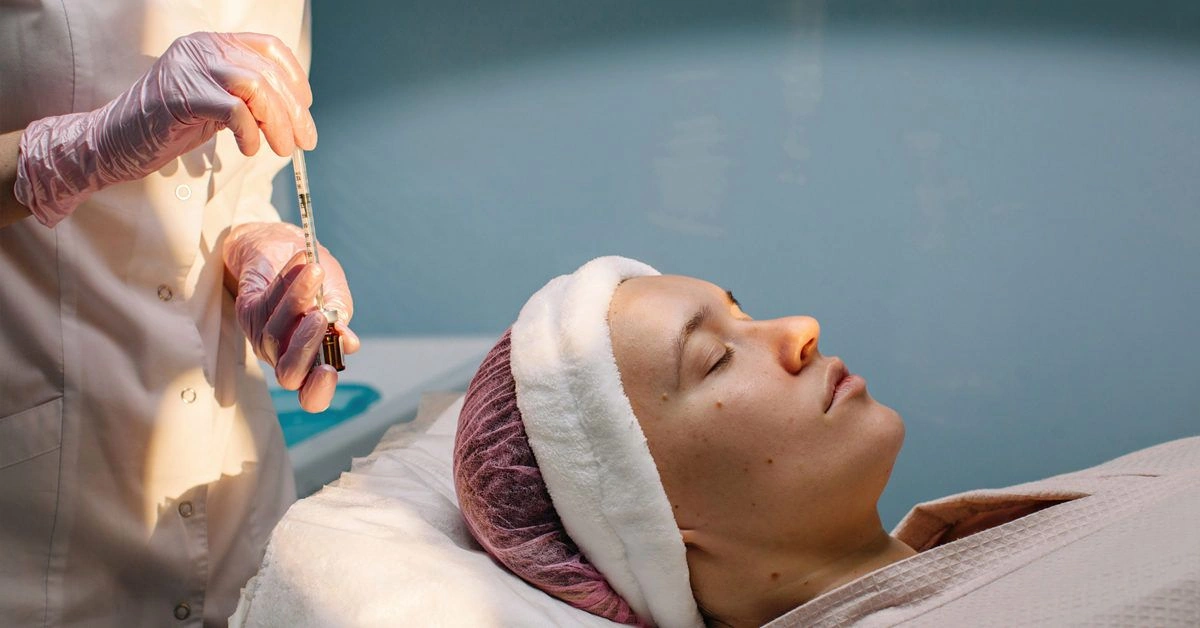
Radiesse is injected in a medical office under local anesthesia. You may feel some discomfort with each injection. Lidocaine is FDA-approved to be mixed with Radiesse to reduce pain during the procedure.
Your clinician will first identify the injection sites, then cleanse those areas with an antiseptic. Next they’ll decide on the appropriate dosage and proceed with the injections.
Depending on how many injections are needed, the session can last up to about 15 minutes. No in-office recovery time is required, and you can go home immediately after treatment.
Targeted areas for Radiesse
Radiesse is commonly used on facial regions, particularly around the nose and mouth, where skin shows lines or folds. It helps fill laugh lines and restores a fresher, more youthful contour. It can also be employed to fill deep scars in some cases.
The product is suitable for restoring volume to the backs of the hands as well. It’s also indicated for patients with facial fat loss due to HIV.
Are there any risks or side effects
Reported facial side effects from Radiesse commonly include:
- swelling
- itching
- pain
- bruising
- redness
When used in the hands, patients have described side effects such as:
- itching
- pain
- difficulty with normal movement
- numbness
- redness
- swelling
- bruising
- lumps and nodules
If you have a history of allergic reactions or are sensitive to any Radiesse components, avoid the treatment. Also avoid Radiesse if you’re allergic to lidocaine or similar anesthetics.
People with bleeding disorders, and those who are pregnant or breastfeeding, should not undergo Radiesse. Individuals with a history of herpes may experience an outbreak after the injections.
Do not have Radiesse while an active skin infection is present. All injection procedures carry infection risk. There is also a possibility of accidentally injecting into a blood vessel rather than connective tissue. Potential complications can be severe and may include:
- temporary scabbing
- permanent scarring
- stroke
- paleness or a pale tint to the affected skin
- visual disturbances
- blindness
- severe pain
On rare occasions, nodules may develop under the skin that could need corticosteroid or surgical management. Any unusual or worsening symptoms should be evaluated by your clinician right away.
If you undergo X-ray or CT imaging after Radiesse treatment, inform the imaging physician. Radiesse microspheres can be visible on these scans, so providers should be aware of prior injections.
What to expect after Radiesse?
Initial improvement in the treated area will be noticeable immediately. By about a week after treatment, full effects should be evident.
Radiesse is not permanent, so repeat treatments will be necessary over time. For some, touch-ups are only needed every two years; others may choose small maintenance injections between major sessions.
Swelling is usually mild and should subside within roughly 36 hours. Expect some bruising and soreness, which can generally be managed with over-the-counter remedies.
While you can return to usual activities right away, avoid strenuous exertion and similar activities. Your skin may be more sensitive to sunlight, so refrain from direct sun and heat for at least 24 hours or until redness and swelling have diminished.
Preparing for Radiesse
Before treatment, tell your clinician about any medications you are taking. Drugs such as blood thinners, warfarin, or aspirin can increase bleeding or bruising at injection sites.
Your doctor should also be informed of any hand conditions, including injuries, diseases, or functional limitations. Mention if you tend to develop prominent or raised scars. They should also know about recent skin peels or similar procedures you’ve had.
Radiesse vs. Juvederm
There may be other options better suited to your needs, such as fat transfer, collagen injections, Juvederm, or surgical facelift techniques.
Juvederm is another dermal filler alternative to Radiesse. Juvederm consists of a hyaluronic acid gel that resembles the body’s own hyaluronic acid. Various Juvederm formulations are intended for lips, cheeks, or the nasolabial area.
Your clinician might recommend additional treatments alongside fillers, including:
- microdermabrasion
- chemical peels
- laser skin therapy
Whatever you choose, it’s essential to select a practitioner with the appropriate credentials and experience. Seek a clinician who has extensive experience administering Radiesse. You can locate an experienced provider here.













Leave a Reply
You must be logged in to post a comment.