

Dental fillings can be crafted from a variety of materials, and the specific type you receive often influences how long it will remain functional — typically somewhere between 5 and 15 years.
Fillings generally aren’t permanent, so routine dental exams are useful for determining when a restoration might require replacement.
Whether you’re getting a new filling or replacing an old one, it’s important to weigh material choices and alternatives, and to recognize signs of tooth decay that may signal the need for a filling.
Keep reading to find out typical lifespans for different filling materials, how to tell when a filling needs replacing, and steps you can take to help your restorations last longer.
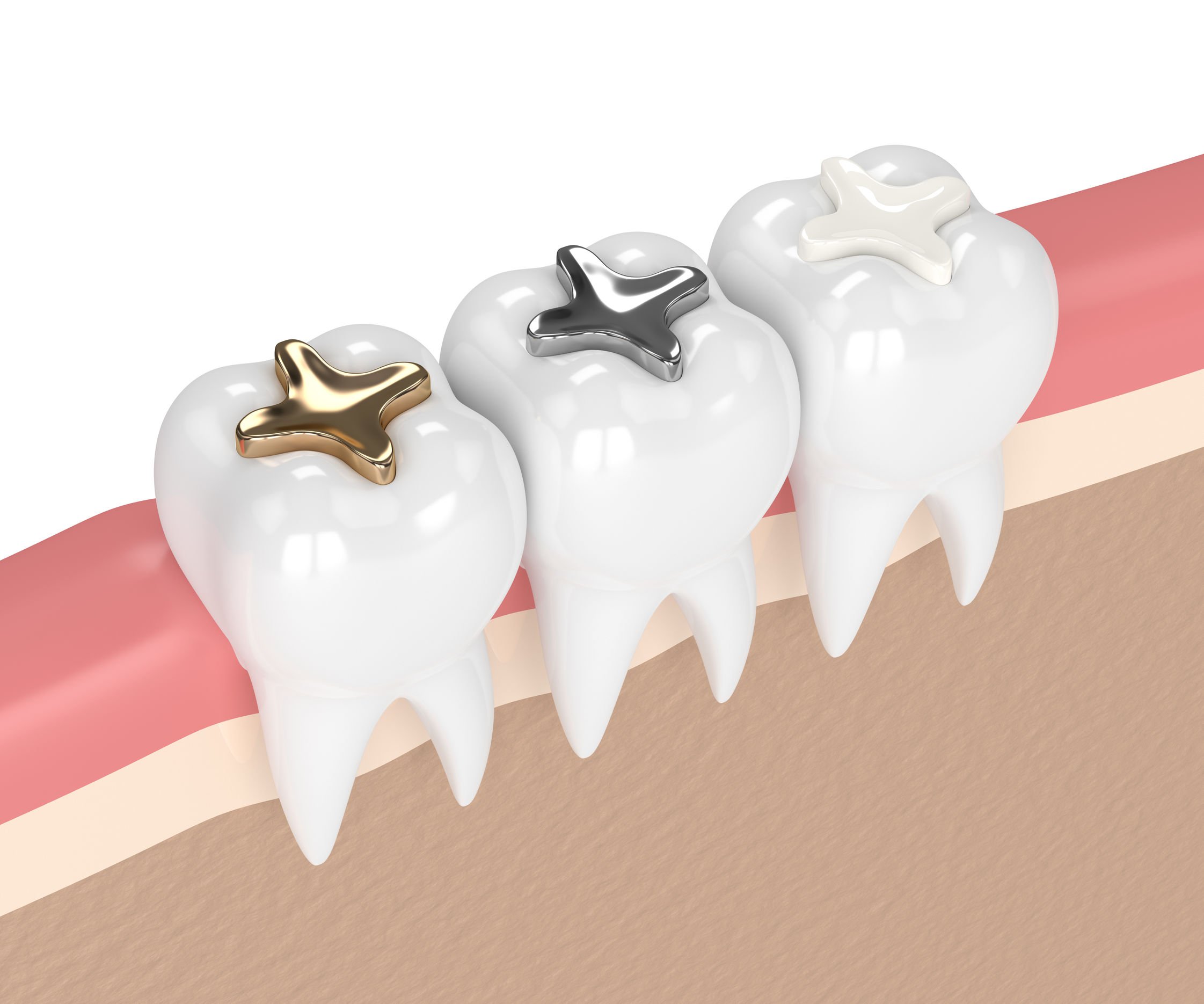
How long do fillings last?
On average, fillings last around 10 years, though many restorations (the clinical term for dental fillings) may endure significantly longer.
Beyond the filling material itself, other elements that influence how long a filling lasts include:
- your dietary habits
- oral hygiene practices
- injury to the tooth
- decay developing around the filling
- grinding or clenching your teeth, especially during sleep
While numerous factors influence a filling’s longevity, the material used offers a useful estimate of expected lifespan.
| Type of filling | Average duration |
| amalgam | 15 years |
| composite | 7 years |
| ceramic | 15 years |
| glass ionomer | 5 years |
Types of fillings
There are four main categories of fillings, although amalgam and composite restorations are the most commonly used.
Amalgam fillings
Often called silver fillings, amalgams contain a mix of metals beyond silver — typically silver, copper, tin alloys, and elemental mercury.
Dentists have used amalgam for more than a century and a half. They are usually the least costly type of filling and are often among the most long-lasting options.
A 2016 study reported that the average age of an amalgam filling when it was replaced was approximately 15 years, with about a 6-year range.
Research from 2008 found survival times for amalgam restorations placed in private practice ranged from 7.1 to 44.7 years.
Because amalgam contains mercury, there are potential toxicity concerns. The FDA advises against mercury amalgam for people who:
- are pregnant, trying to become pregnant, or breastfeeding
- are younger than 6 years old
- have neurological conditions or kidney disease
- have a mercury allergy
Composite
Composite fillings are favored because their shade can be matched to adjacent teeth. They’re made from a blend of acrylic and ceramic resins.
Composite restorations bond chemically to the tooth with an adhesive. Their average lifespan is about 7 years, according to a 2010 study. However, 2014 research has shown they can last 10 years or more when restorations are small and oral health is well maintained.
Materials used in composites are also applied to repair chipped teeth and close small gaps between teeth.
Gold fillings
As expected, gold restorations cost substantially more than amalgam or composite options.
They’re also notably durable, with an average life of 20 years or longer, according to the American Dental Association (ADA).
Ceramic and glass ionomer fillings
Ceramic fillings, typically made of porcelain, can endure 15 years or more.
They are pricier than gold and are among the less frequently used fillings. Ceramic restorations must be fabricated in a dental lab or with a milling device and then bonded into the tooth.
Glass ionomer fillings, composed of a glass and acrylic mixture, can be placed directly in the cavity. They’re weaker than other types and are commonly used for small lesions near the gum line rather than on biting surfaces. They generally last about 5 years.
When should fillings be replaced?
Some people may never need a replacement filling, but for many, a restoration can crack or wear down over time and stop protecting the tooth from new decay. Occasionally a filling simply becomes dislodged and must be redone.
Early problems with a filling may be subtle, but your dentist can often detect issues during routine checkups.
During an exam, your dentist uses an explorer to check around the filling’s margins to ensure it’s still sealed or to detect areas where bacteria might gain access and cause further decay.
Dental X-rays can uncover decay beneath or adjacent to a filling. If bacteria appear to be invading the tooth or the filling no longer supports the tooth properly, replacement is usually indicated.
Sensitivity or pain in the tooth can also signal that a filling needs replacing. That said, you shouldn’t wait for symptoms — regular evaluations are recommended to catch problems early.

Can my diet affect how long fillings last?
Your diet plays a big role. Sugary foods promote the growth of biofilms on restorations, increasing the chance of new cavities beneath existing fillings or on previously healthy teeth.
Chewing hard items like candy, nuts, or ice can accelerate wear on fillings and teeth.
Avoid sticky foods — gum, gummy candies, chewy supplements, or beef jerky — as they can tug on restorations and loosen them.
If you have composite fillings, dark beverages such as coffee or tea can stain them similarly to natural enamel.
Are there alternatives to traditional fillings?
Although preventing decay is the best way to avoid fillings, recent advances have given dentists additional options.
Silver diamine fluoride (SDF)
SDF is an antibacterial liquid applied to teeth with early decay or sensitivity. It can help halt progression of decay, though substantial damage may still require a conventional filling.
Thiourethane-modified composites
Scientists at Oregon Health & Science University have created a composite that includes thiourethane, making it roughly twice as resistant to fracture as standard composite materials.
They’ve also developed an adhesive incorporating polymers called methacrylamides.
Preliminary studies suggest methacrylamides can be about 30% stronger than existing adhesives after six months and may resist bacteria and oral enzymes more effectively.
In combination, thiourethane and methacrylamides could potentially extend the life of restorations.
Keep in mind these innovations are not yet widely available in dental practices; further testing is needed before broader clinical use.
Root canal therapy
If a filling cannot save the tooth, your dentist may recommend root canal therapy. This involves removing the tooth’s inner infected tissue and filling the space with a rubber-like material to preserve the tooth.
Crowns or veneers
In some cases, a crown or veneers are more suitable. A dentist can remove decayed portions and cover the tooth with a crown made of metal, porcelain, or resin, restoring both function and appearance.
When should I see a dentist?
For people with generally good oral health, visiting the dentist once or twice a year is often enough.
If you have dental conditions such as periodontitis (gum disease), more frequent cleanings and evaluations — several times a year — may be necessary.
The ADA advises seeing a dentist if you experience any of the following:
- gums that swell or bleed when brushing or flossing
- tooth sensitivity to hot or cold
- tooth, gum, or jaw pain
- trouble chewing
- a loose tooth
- persistent bad breath
- sores or unusual spots in your mouth
The ADA also recommends regular dental visits for people with crowns, implants, dentures, or fillings.
The takeaway
After you receive a filling, its clock starts — it might last many years or need replacement relatively soon.
On average, a filling should remain effective for about a decade. Some dental offices offer limited warranties of 1–2 years on new restorations if you attend checkups every six months and maintain good home care.
Brushing twice daily with fluoride toothpaste, flossing daily, and following a balanced diet can all help prolong the life of your fillings. For questions about care, longevity, or replacement options — including timing for procedures like how long does it take to get a filling — talk with your dentist to determine the best plan for your teeth.
Discuss strategies with your dentist to help extend the life of your restorations, and review all available options if a replacement is needed.






















Leave a Reply
You must be logged in to post a comment.