
Methamphetamine, often called meth, is famous for producing a short-lived “rush” or intense pleasurable sensation. That high typically lasts only minutes, but the substance itself can remain detectable in your body for a considerably longer period.
Meth is a stimulant that energizes both the body and the mind and carries a strong potential for dependence.
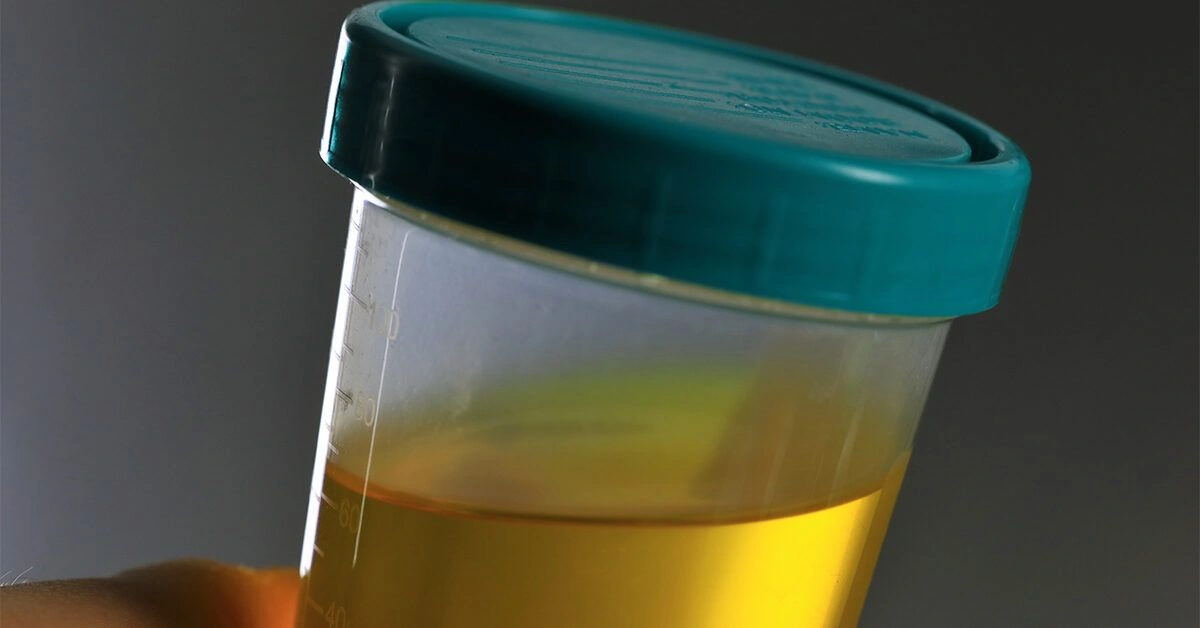
A urine screening can reveal meth in your system during the first week after use. If you need a negative result for work or legal reasons, you should avoid meth during that window — there’s no guaranteed way to eliminate meth from your body before a test.
Keep reading to understand how tests detect meth and how your body metabolizes the drug.
Healthline does not support the use of illegal drugs and advises that avoiding them is always safest. Still, we provide clear, accurate information to reduce harm when people do use.
Urine tests for meth
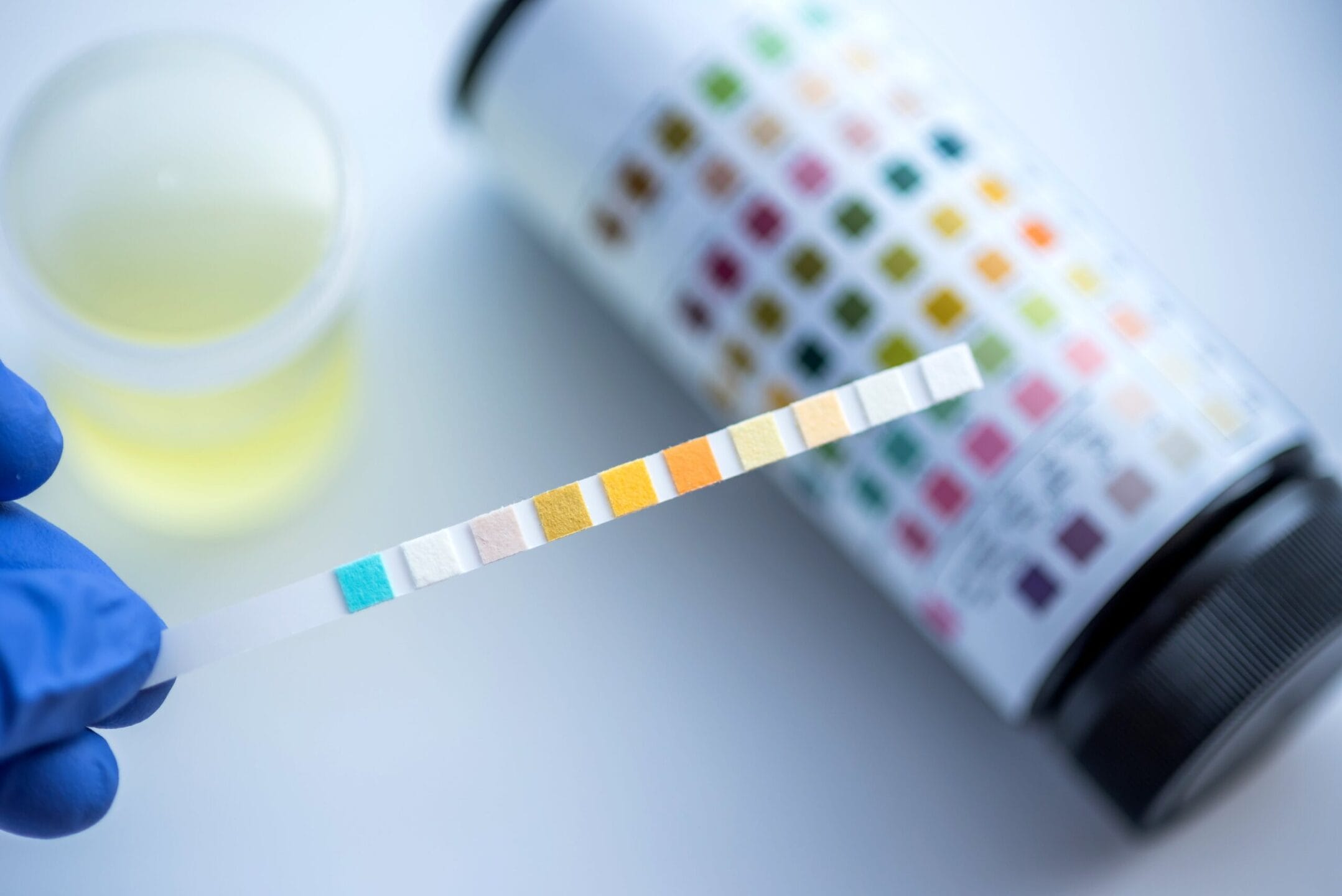
Drug tests most commonly look for meth in urine or hair samples. Blood tests can also pick up meth.
When meth enters the bloodstream, your body breaks it down into simpler chemicals called metabolites. Some of these are absorbed, but much of the drug and its byproducts are filtered by the kidneys and excreted in urine.
Approximately 37% to 54% of ingested meth is eliminated in urine unchanged.
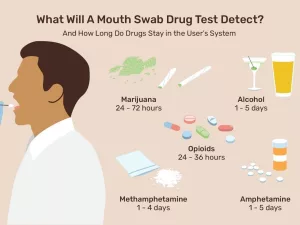
After a single use, a urine test can find meth or its metabolites for around 2 to 3 days.
With repeated use, some meth can remain circulating and be released gradually in urine. You might need to wait as long as 4 days after your last use to test negative, though the exact timeline varies.
Can you speed up meth leaving your body?
If you want a negative result, you may wonder if there’s anything you can do to hasten meth’s exit from your system.
Unfortunately, there are limited effective ways to make meth clear out faster.
Hydration
One common tip is to drink large quantities of water at once — for example, two or three 12-ounce glasses.
Drinking a lot of water has two effects:
- It stimulates urine production, helping flush out more meth and its metabolites.
- It can dilute your urine up to 10-fold within about 30 minutes, lowering meth concentration enough that a test may read negative.
However, the lab will often detect that the sample is diluted.
Your body produces a fairly steady amount of creatinine each day, so diluted urine typically shows low creatinine levels. While other medical issues can also reduce creatinine, diluted results can raise suspicion that the sample was tampered with.
Also note that drinking excessive water quickly can cause water intoxication, which can be life-threatening. Consult a clinician about how much you should drink.
Seek emergency care if you’ve consumed more than about 3 liters in a few hours and experience:
- headaches
- muscle weakness or cramps
- fainting
- nausea or vomiting
- extreme tiredness or drowsiness
- seizures
Diuretics
Diuretics (water pills) can also increase urine output and dilute urine. But they increase urinary sodium, which can be a clear sign that someone tried to alter the sample.
FYI: Drinking vinegar won’t work
Some people claim drinking vinegar clears substances from the body within a day.
There’s no evidence that vinegar helps remove meth or produces a negative test.
How your body metabolizes meth
Whatever the route of use — snorting, swallowing, or injecting — meth eventually reaches your bloodstream. Blood carries the drug throughout the body, concentrating much of it in the brain, lungs, liver, and kidneys.
Meth in the brain sharply increases dopamine levels, creating a powerful reward sensation that encourages further use. It can also kill brain cells, leading to long-term harm to memory, attention, and executive functioning.
Meth that doesn’t go to the brain is either excreted in urine or gradually converted into two metabolites:
- Amphetamine: Another stimulant with a significant addiction risk, amphetamine also increases dopamine but to a lesser degree than meth.
- Para-hydroxymethamphetamine (p-OHMA): This metabolite raises blood pressure and stimulates adrenaline but has minimal effect on the brain.
These breakdown products are eventually cleared from the body via urine as well.
Urine versus hair testing for meth
When meth circulates in the blood, it reaches hair follicle cells. As hair grows, those cells are pushed out and become part of the visible hair shaft, preserving traces of substances they absorbed.
A hair test can reliably detect meth and its metabolites for about 90 days (3 months) after last use. About 16% of regular users may still test positive in hair after roughly 120 days (4 months).
So, a hair screen may require waiting several months before showing a negative result.
Side effects of meth use
Besides yielding a positive drug test, meth affects the mind and body in many ways:
Short-term effects include:
- increased wakefulness
- restlessness
- heightened focus
- rapid heartbeat
- elevated blood pressure
- faster breathing
- higher body temperature
- loss of appetite
Long-term consequences can include:
- memory impairment
- difficulties thinking clearly, concentrating, or staying on task
- sleep problems
- psychosis
- severe tooth decay
- significant weight loss
- skin infections and abscesses
Where to find help
If a drug screen is positive, examiners may recommend substance use treatment and can refer you to local programs. You can also ask a physician or mental health provider for referrals.
Use the Substance Abuse and Mental Health Services Administration (SAMHSA) treatment locator to find programs near you.
The Food and Drug Administration (FDA) hasn’t approved medications specifically for meth addiction as it has for opioid or alcohol use disorders, so treatment often relies heavily on behavioral therapies.
Therapy aims may include:
- building motivation to stop using and discovering alternative activities
- recognizing how unhelpful thought patterns contribute to self-destructive behavior
- educating family members about meth addiction and how to provide support
- addressing trauma or emotional pain that contributes to use
Remember that addiction is not merely a choice. Meth use disorder is a serious mental health condition often requiring professional care. There’s no shame in seeking help, and it’s never too late to get support.
The bottom line
Urine testing can detect meth for at least 2 to 3 days after use, and the detection window may be longer with repeated use.
If you want to stop using meth, support from a trained professional can help you start recovery.

















Leave a Reply
You must be logged in to post a comment.