
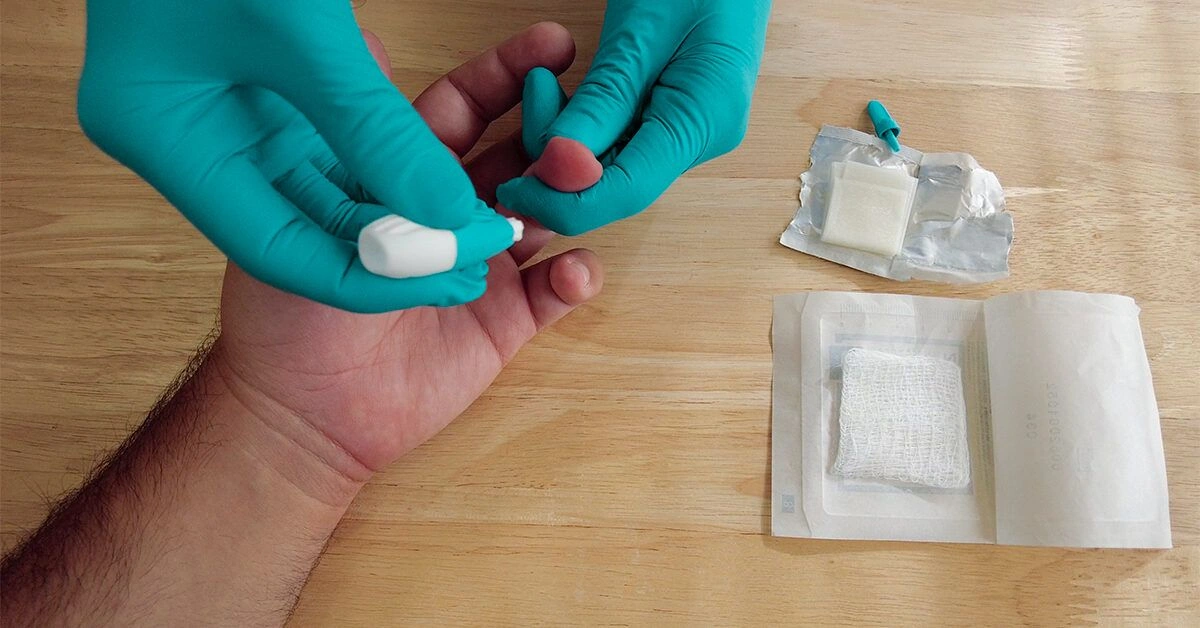
Heavy metals are present naturally in the environment, in water, and in certain foods and medications. But when levels rise, how can you know if testing or treatment is needed?
Daily contact with heavy metals can happen through multiple routes, including diet, polluted air, and contaminated water. While some heavy metals are harmful, a few are essential in trace amounts for normal bodily processes such as immune response, growth, and development.
Testing for heavy metals is advisable if you have been exposed to known contamination sources. Signs that might suggest heavy metal buildup include unexplained tiredness, persistent headaches, and digestive disturbances.
It’s best to pursue testing under the care of a healthcare professional. Over-the-counter home kits can be unreliable and may not provide the necessary detail to diagnose heavy metal toxicity accurately. Professional testing increases the likelihood of a correct diagnosis and appropriate treatment if needed.
What are heavy metals?
Heavy metals refer to a set of metallic elements that exist naturally in the environment. Human activities such as mining, farming practices, and industrial processes can raise their concentrations and boost the chance of exposure. People encounter them through contaminated food, water, and air.
Types of heavy metals
Heavy metals are often classified by their toxicity, which helps explain their impacts on human health and ecosystems. Both essential and nonessential heavy metals can build up in the body over time, potentially causing harmful effects on organs, tissues, and cells.
Essential heavy metals — for example, iron, zinc, copper, and manganese — are required in small quantities for health. Both shortages and excesses can lead to problems.
Nonessential or toxic heavy metals serve no biological purpose and can be damaging even at low exposure levels. Typical examples are lead, mercury, cadmium, and arsenic.
What is their role in my body?
Although some heavy metals can be dangerous, many are vital nutrients that participate in numerous bodily functions. Maintaining appropriate balances of these metals is crucial since your body cannot synthesize them and must obtain them in trace amounts from a varied diet.
Examples of essential heavy metals and their biological roles include:
- Iron: Necessary for energy production, immune function, and carrying oxygen throughout the body.
- Zinc: Plays a role in immune defense, wound repair, and DNA production.
- Copper: Important for iron utilization, connective tissue formation, and neurotransmitter synthesis.
- Manganese: Involved in bone growth, wound healing, and metabolism of carbohydrates, amino acids, and cholesterol.
- Chromium: Contributes to blood sugar regulation and metabolism of carbohydrates and fats.
Symptoms of excess heavy metals in the body
High concentrations of heavy metals can produce a wide spectrum of health issues, with severity depending on the type of metal, amount, and duration of exposure. Age and overall health status also influence how severely someone is affected.
Young children, older adults, and pregnant people may be more susceptible to the harmful consequences of heavy metals because of physiological and immunological differences.
Symptoms of heavy metal poisoning may include:
- nausea
- vomiting
- abdominal pain
- diarrhea
- changes in behavior
- chills
- weakness
- shortness of breath
- tingling in the hands and feet
Types and dangers of heavy metal poisoning
The Occupational Safety and Health Administration (OSHA) warns that heavy metal poisoning can lead to serious illness and even death.
Health problems tied to heavy metal exposure include:
- Neurological effects: Metals such as lead, cadmium, and manganese can damage the central nervous system, resulting in neurotoxicity associated with cognitive impairment and memory issues. Although human data are limited, some studies suggest connections between heavy metal exposure and Alzheimer’s disease and related dementias.
- Cardiovascular effects: A 2021 review notes that arsenic, lead, chromium, cadmium, and mercury at elevated levels may raise the risk of poisoning and affect multiple organs. For instance, arsenic, cadmium, and chromium are linked to genomic instability.
- Gastrointestinal effects:Research indicates several heavy metals can trigger digestive symptoms like nausea, vomiting, and diarrhea. Examples include lead, arsenic, zinc, and cadmium.
Heavy metal toxicity may also contribute to other health issues, including:
- anemia
- liver injury
- kidney impairment
- cancer
- neurological disorders
- developmental delays
- sensitization
- skin conditions
- lung disease
- reproductive problems
- behavioral difficulties
Symptoms by metal type
The table below offers a closer look at the symptoms associated with specific heavy metals.
Are at-home heavy metal tests worth it?
Deciding whether heavy metal testing is necessary should involve a medical professional. In general, laboratory-based tests are more sensitive and provide more complete and accurate data than at-home kits.
Interpreting these results can be complicated and typically requires input from a healthcare provider or an environmental specialist.
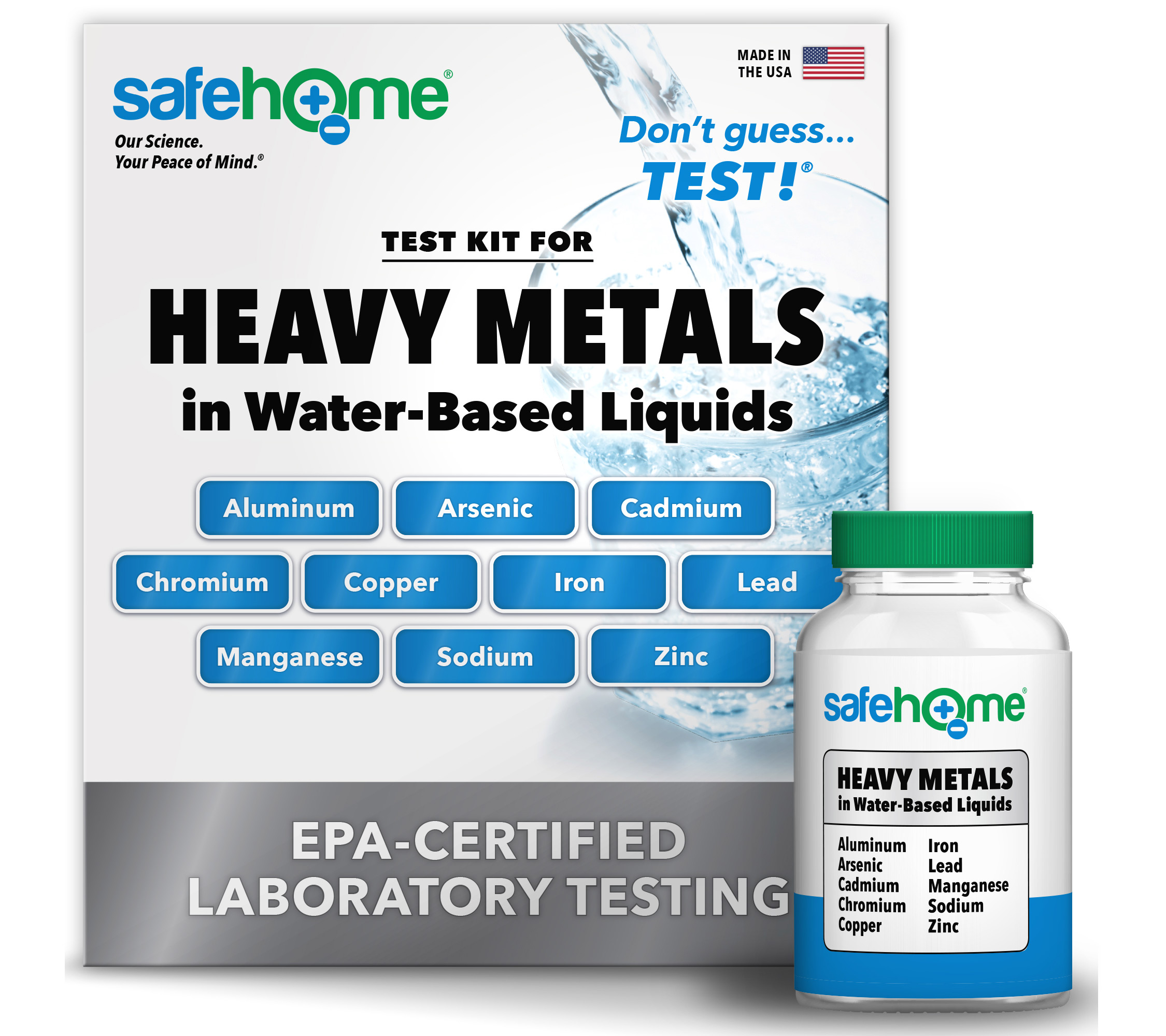
At-home heavy metal kits often aren’t worthwhile because of inconsistent performance and limitations. They may screen for only a subset of metals and might not offer a full assessment.
Because heavy metals are commonly present in the environment, home testing can provoke unnecessary worry and added medical expenses when people lack a baseline understanding of typical metal levels in the body.
Many consumer kits rely on hair or urine samples, which aren’t ideal for all metals. Routine environmental exposures can affect hair sample results. Urine spot samples can be less reliable than 24-hour urine collections because urine concentration fluctuates over the day.
Without baseline values, interpreting home heavy metal tests may be misleading. One study found 9% of patients underwent inappropriate or unvalidated environmental tests prior to clinic visits, with metal testing and hair analysis being the most common offenders.
Although testing itself is unlikely to harm consumers, results can create significant stress and lead to costly follow-up care. The use of chelating agents in some urine tests may also skew results.
Mistakenly attributing a health issue to heavy metal poisoning can cause undue anxiety, unnecessary treatments, and further medical visits.
When to see a doctor
Consult a doctor if you’re worried about heavy metal exposure, suspect poisoning, or have symptoms that could stem from heavy metals. A healthcare professional can advise whether testing is appropriate and suggest treatment options.
Severe heavy metal poisoning can present with diverse medical issues affecting the nervous, respiratory, and cardiovascular systems, along with kidney and gastrointestinal damage.
To decide if testing is needed, a clinician will review your medical history, perform a physical exam, and evaluate any signs or symptoms suggestive of heavy metal exposure. They’ll try to identify possible exposure sources.
A clinician can advise on suitable tests and next steps. They may order blood or urine tests to quantify specific heavy metals. If elevated levels are found, they may recommend additional diagnostics or treatment.
If you still want an at-home test…
If you’re determined to check your metal levels at home, consider a nutrient-focused test that can detect mild imbalances useful for discussion with a healthcare provider about next steps.
Our review team examined at-home tests, checking credentials and regulatory compliance, including Clinical Laboratory Improvement Amendments (CLIA) certification. That evaluation informed our recommendations regarding heavy metal and nutrient testing.
HealthEH’s pick for at-home nutrient test
Best for dietary data
LetsGetChecked Micronutrient Test

- Price: $$
- Metals tested: zinc, copper, magnesium, and selenium
- Collection method: blood
- Key features: clear instructions, fast in-app results, and ongoing nursing support
- Pros: easy to use, convenient, processed by CLIA-certified labs
- Cons: not sold in New York state; some users reported receiving expired kits
Read our review of LetsGetChecked.
The LetsGetChecked Micronutrient Test is useful for identifying minor vitamin or mineral imbalances. Results can guide dietary changes to support immunity and general health.
After activating the kit, send a finger-prick blood sample to the lab and expect results online within 2 to 5 days.
We suggest reviewing your results with a healthcare professional to develop a personalized plan. Do not start or stop medications without your provider’s guidance.
This kit is not available in New York state.























Leave a Reply
You must be logged in to post a comment.