
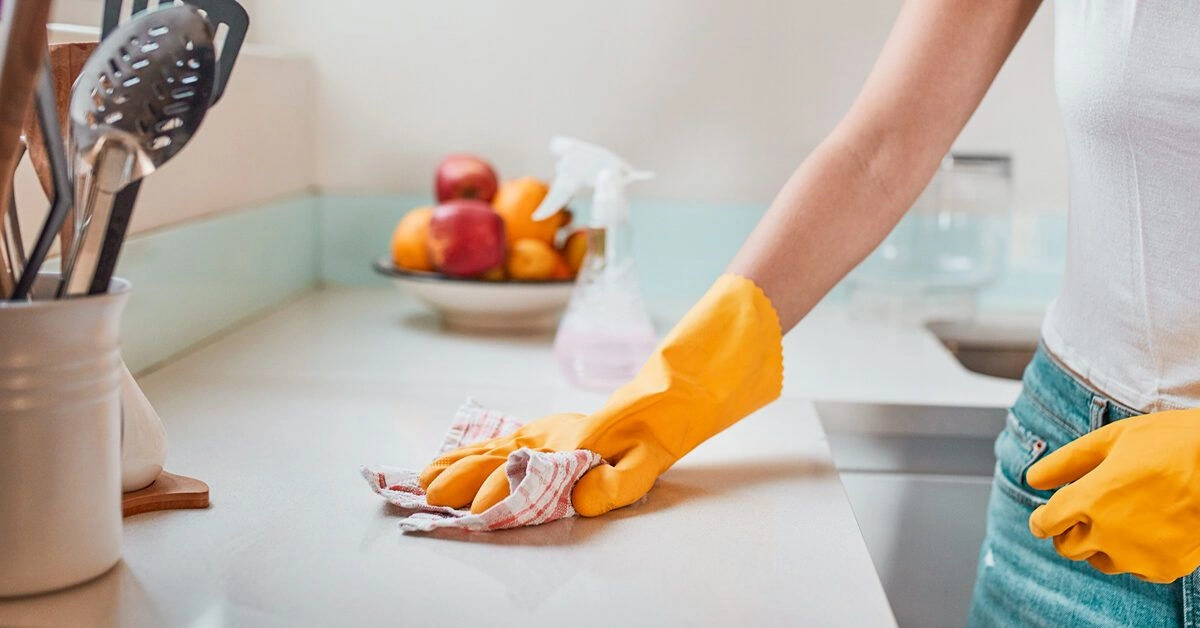
Both hydrogen peroxide and rubbing alcohol can eliminate germs. Generally, rubbing alcohol is suitable for use on skin and certain surfaces, whereas hydrogen peroxide is typically reserved for surfaces only.
Rubbing alcohol and hydrogen peroxide are two familiar household antiseptics. You’ve likely encountered one or both of these compounds at some time.
Neither is categorically superior to the other. Their antimicrobial power depends on how they’re applied and the specific microbes you aim to eradicate.
Below we’ll explore the main distinctions between rubbing alcohol and hydrogen peroxide, and explain how to use each effectively.
What sets rubbing alcohol and hydrogen peroxide apart?
About rubbing alcohol
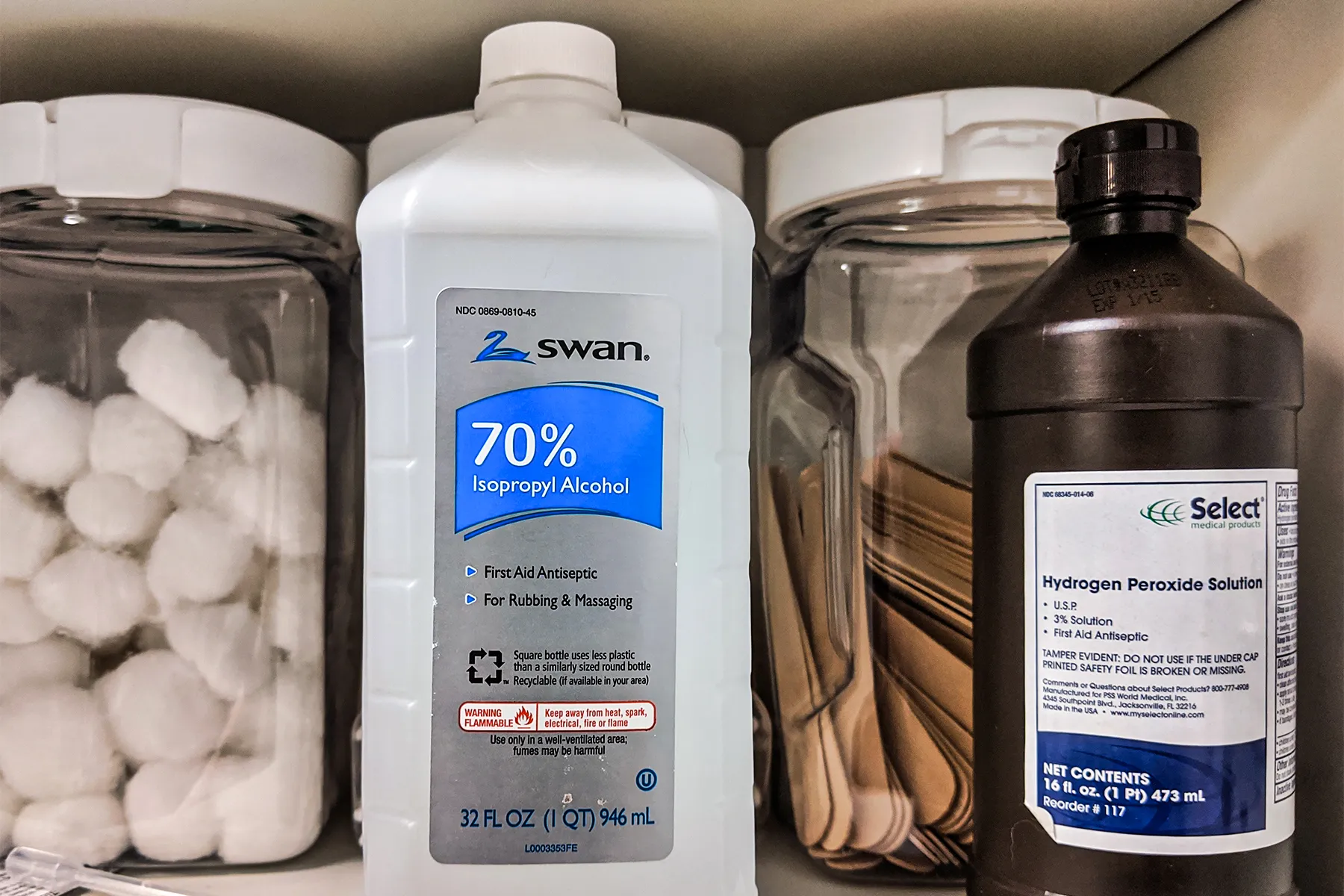
The active component in rubbing alcohol is isopropanol, also called isopropyl alcohol. Typical rubbing alcohol solutions contain about 60–80 percent isopropanol mixed with water.
Rubbing alcohol serves many purposes. It’s a potent germicide capable of killing a broad range of microbes including bacteria, viruses, and fungi. It’s commonly used in medical settings to disinfect hands and surfaces, and it also functions as a household cleaner.
At concentrations of 70 percent or above, isopropanol can inactivate the coronavirus responsible for COVID-19.
About hydrogen peroxide
Hydrogen peroxide is not an alcohol. Its formula, H2O2, resembles water (H2O) but includes an extra oxygen atom, which makes it a strong oxidizing agent.
Pharmacy-strength hydrogen peroxide is usually a 3 percent solution in water. This concentration is sufficient to kill many harmful microorganisms, including bacteria, viruses, fungi, and spores.
Like rubbing alcohol, hydrogen peroxide can also inactivate SARS-CoV-2, the virus that causes COVID-19. It has a variety of additional household uses as well.
Although hydrogen peroxide works well as a disinfectant, it’s too harsh for routine skin use, which is why it’s not an ingredient in hand sanitizers.
Which one is superior at killing germs?
There isn’t a simple answer to which is better. The germ-killing performance of rubbing alcohol and hydrogen peroxide depends on:
- the surface being cleaned
- the particular microbes targeted
- how quickly you need the disinfectant to act
Cleaning skin, surfaces, and fabrics
Overall, rubbing alcohol is generally a more suitable choice for skin. That’s not necessarily because it’s more potent, but because hydrogen peroxide tends to be too abrasive for skin.
Both agents can be used on hard surfaces such as doorknobs, countertops, porcelain, stainless steel, and glass. However, repeated application of either can alter surface finishes, so check compatibility before use.
Rubbing alcohol can disinfect certain fabrics, though avoid it on delicate or synthetic textiles. Hydrogen peroxide can cause fabrics to yellow.
The microbes they target
Both rubbing alcohol and hydrogen peroxide are capable of killing many bacterial species, including:
- Acinetobacter baumannii: can infect the bloodstream, urinary tract, and lungs
- E. coli: can cause intestinal infections and gastrointestinal illness
- Enterococcus faecalis: can cause infections of the blood, heart lining, central nervous system, urinary tract, gums, and wounds
- Listeria monocytogenes: found in contaminated foods; usually causes mild symptoms but can lead to meningitis, endocarditis, and sepsis in some cases
- Pseudomonas aeruginosa: can cause infections, especially in people with weakened immune systems
- Salmonella: a frequent cause of food poisoning that affects the small intestines
- Staphylococcus aureus: can cause foodborne illness
A 2010 study indicates that rubbing alcohol does not eliminate C. difficile spores.
Both rubbing alcohol and hydrogen peroxide are effective against many enveloped viruses, which possess a lipid outer layer. These include:
- coronaviruses, such as SARS-CoV-2
- influenza viruses like H1N1
- herpes simplex
- Ebola
- Zika
According to the Centers for Disease Control and Prevention (CDC), isopropanol is less effective against nonenveloped viruses such as hepatitis A and rotavirus. Hydrogen peroxide is likewise not effective against hepatitis A.
Hydrogen peroxide is reported to work best when left on surfaces for at least 10 minutes at room temperature. If you need faster action, rubbing alcohol may be preferable for surface disinfection.
How to use rubbing alcohol to disinfect
- Choose a rubbing alcohol product that contains at least 70 percent isopropanol. Do not dilute rubbing alcohol with water.
- First, clean the area you want to disinfect with soap and water.
- Apply the rubbing alcohol evenly using a wipe, cloth, or spray bottle.
- Allow it to remain on the surface for at least 30 seconds.

How to use hydrogen peroxide to disinfect
- Commercial hydrogen peroxide solutions of about 3 percent are effective for household disinfection. Do not dilute them.
- As with rubbing alcohol, wipe the surface with soap and water first.
- Apply hydrogen peroxide using a spray bottle or a clean cloth.
- Let it sit on the surface for at least 10 minutes. Wiping off is not necessary.
What about treating cuts and scrapes?
Rubbing alcohol and hydrogen peroxide were once commonly used to clean minor wounds.
Current recommendations advise against this practice. Although both agents can kill harmful bacteria, they are harsh on healthy tissue around a wound and may impede healing.
Instead, rinse minor wounds thoroughly under running water to remove dirt and debris. Then gently cleanse around the wound with mild soap to reduce contamination.
Safety tips
- Do not ingest rubbing alcohol or hydrogen peroxide; they are for external use only.
- Avoid contact with your eyes.
- Ensure good ventilation when using either product indoors.
- Try not to get hydrogen peroxide on your hands or skin frequently, as it can irritate.
- Store both products in a cool, dry place out of reach of children and pets.
- Rubbing alcohol is flammable—keep it away from open flames.
- Both products have expiration dates. After they expire, they may no longer be as effective at killing germs. Check the label before use.
The takeaway
Rubbing alcohol and hydrogen peroxide both eliminate many bacteria, viruses, and fungi. Generally, rubbing alcohol is a better choice for use on hands because it is less harsh on skin than hydrogen peroxide.
Hydrogen peroxide works best when left on surfaces for at least 10 minutes at room temperature, while rubbing alcohol can neutralize pathogens on skin and surfaces more quickly.
When using either product for sanitation, always follow the directions shown on the product label.












Leave a Reply
You must be logged in to post a comment.