
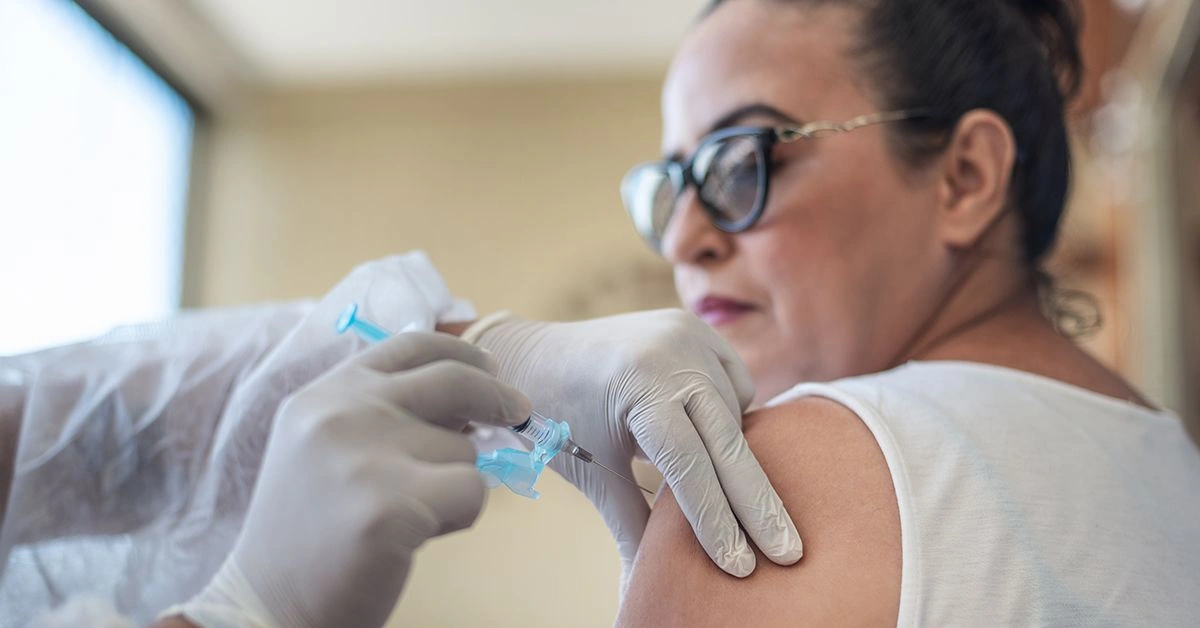
An annual influenza vaccine can help prevent the flu or lessen the severity of symptoms if you do become infected. Learn about typical side effects, when to seek medical attention, and how to care for your body after vaccination.
Getting your yearly flu vaccine is one of the most effective ways to reduce your chance of catching the flu or to shorten illness duration if you do get sick.
Keep reading to discover what to steer clear of after receiving your flu shot so you can boost the vaccine’s benefits and lower the risk of side effects.

What to avoid after your flu shot
In general, there’s little you need to restrict after receiving your annual flu vaccine. You can continue with your usual routines and diet.
That said, a healthcare provider might advise avoiding certain activities right after and for a short period following your flu shot. Taking a few sensible precautions can help limit side effects and ensure you get the most from the vaccine.
Activities
Some people assume you should skip intense workouts or heavy physical activity after a flu shot. However, a 2022 study indicates that exercise (if you already maintain a fitness routine) may actually enhance the immune response to a flu vaccine, potentially making it more effective.
At minimum, there’s no evidence that normal physical activity after vaccination causes harm.
Medications
Certain medicines might be worth avoiding around the time of your flu shot, and some medications could influence which vaccine type is suitable for you.
Never discontinue prescribed medications without consulting your doctor. Talk to your clinician before receiving a flu vaccine if you have concerns about drugs you’re taking.
Discuss these medicines with your provider:
- Over-the-counter (OTC) pain relievers: Some authorities recommend avoiding OTC analgesics like acetaminophen (Tylenol) and ibuprofen (Advil) immediately after vaccination because they might blunt the immune response and reduce vaccine effectiveness. More study is necessary to confirm this.
- Corticosteroid injections: A 2018 study suggests that receiving corticosteroid injections prior to your flu vaccine could raise the chance of getting influenza if exposed. Researchers recommend a high-dose flu vaccine for people receiving corticosteroid shots.
- Chemotherapy: If you’re undergoing chemotherapy, you may need to avoid live flu vaccines during treatment.
Foods and drinks
There are no food restrictions following a flu vaccine; you can eat normally. You may want to limit alcohol for a day or two to reduce the risk of dehydration.
Potential flu exposure
Because a flu shot can take up to about 2 weeks to reach full effect, it’s sensible to avoid close contact with anyone you know has the flu during that interval.
Who should NOT get a live virus flu vaccine (nasal spray)?
Per the Centers for Disease Control and Prevention (CDC), the following people should not receive the live-attenuated nasal spray flu vaccine:
- Individuals who have had a serious allergic reaction to any component of the flu vaccine (excluding egg protein) or to a prior flu vaccine of any kind
- Anyone who has recently taken flu antiviral medications within drug-specific windows (for example, within 48 hours for oseltamivir and zanamivir, within 5 days for peramivir, and within 17 days for baloxavir)
- People who are pregnant
- Children under 2 years of age
- Adults aged 50 years and older
- Children 2–17 years old taking aspirin-containing medications or salicylates
- Children 2–4 years old with asthma or a history of wheezing in the previous 12 months
- Persons with weakened immune systems for any reason
- Caregivers of severely immunocompromised individuals who require a protected environment (if a caregiver does get the nasal vaccine, they should avoid close contact with those immunocompromised people for 7 days afterward)
- Individuals without a spleen or with a nonfunctioning spleen
- Anyone with an active cerebrospinal fluid leak into the mouth, nose, ear, or elsewhere within the skull
- People who have cochlear implants
People who might want to consider avoiding the live nasal flu vaccine include those who:
- Are over 5 years old and have asthma
- Have chronic medical conditions that raise the risk of severe flu complications, such as chronic lung disease, heart disease (other than isolated high blood pressure), kidney or liver disease, neurologic or neuromuscular disorders, or metabolic conditions like diabetes
- Currently have a moderate or severe acute illness, with or without fever
- Have had Guillain-Barré syndrome within 6 weeks after a prior flu vaccine
What to do after your flu shot
Based on how you feel following vaccination, consider these measures:
- Move your arm soon after the injection. Some people find gentle motion helps ease soreness.
- Apply something cold, such as a cold compress or a chilled drink can, to the injection site to help reduce arm pain.
- Rest if you feel fatigued or run a low-grade fever.
- Use an OTC pain reliever if needed.
- Watch for signs of an allergic reaction, like itching, hives, or swelling. If you experience breathing difficulties, get immediate medical attention and avoid being alone if possible.
How long does it take to recover from a flu shot?
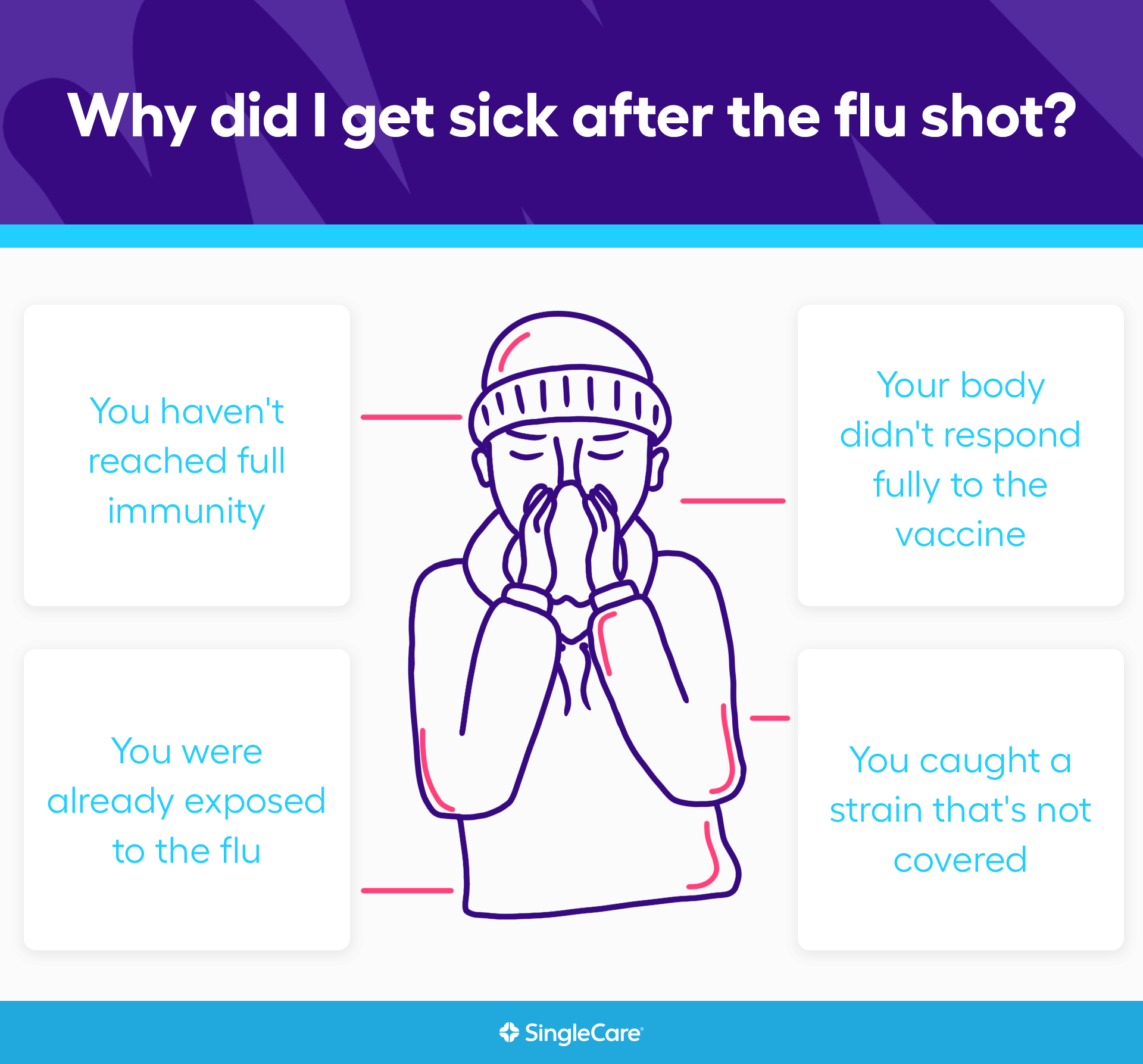
Side effects from a flu vaccine are generally mild and typically resolve within 1–2 days after your vaccination.
When to get a flu shot
Although flu can occur year-round, flu season usually happens in fall and winter, generally peaking in the Western Hemisphere between December and February. Historically, February has been the most common peak month, followed by December.
The CDC recommends receiving your annual flu vaccination in September or October. If you haven’t gotten the vaccine, it’s still beneficial to get it at any point during flu season.
Where to get a flu shot
Many medical settings — including primary care offices, urgent care centers, and pharmacies (such as national grocery chains with pharmacy services) — will bill insurance or Medicare for flu vaccines, which may mean no out-of-pocket cost for you.
If you lack insurance, local health departments often provide low-cost or free flu immunizations. Students can often access free or reduced-cost shots through campus health services.
Frequently asked questions
Do I need a flu shot every year?
Yes. Annual vaccination is necessary because immunity wanes over time and the influenza virus mutates. Each year, researchers review circulating strains worldwide and update the seasonal vaccine to best match the viruses expected that season.
How safe is the current flu vaccine?
Flu vaccines used in the United States are regarded as very safe. Injectable vaccines do not contain live, active influenza virus and cannot cause the flu. There are two main vaccine formats: shots and nasal sprays. Injectable vaccines contain no live virus.
The nasal spray uses a weakened (attenuated) form of live influenza virus modified so it cannot cause the flu. Both types prompt an immune response that leads to antibody production, preparing your body to fight the virus if exposed.
Certain individuals should not receive a flu vaccine, including those who:
- Are younger than 6 months old
- Have had a severe, life-threatening reaction to a previous flu vaccine
- Have serious allergies to any component of a flu vaccine (for example, gelatin or certain antibiotics)
Will my flu shot work right away?
No. The vaccine generally becomes effective after about 2 weeks. It takes roughly 14 days for your immune system to generate protective antibodies against influenza, which is why health authorities suggest getting vaccinated in early autumn before flu activity increases.
Takeaway
Most people experience no or only mild side effects after a flu vaccination. Simple steps can help reduce soreness and minor symptoms. If you do feel unwell after the shot, several remedies can help you feel better.
For the majority of people, any discomfort following a flu vaccine will subside within 1–2 days.
Although rare, an allergic reaction to vaccine components can occur. Seek urgent medical care if you develop symptoms such as itching, swelling, or difficulty breathing.
For more information on possible reactions and what to expect, see flu shot side effects.


















Leave a Reply
You must be logged in to post a comment.