
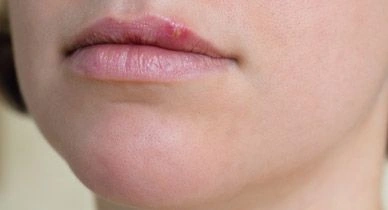
You might notice small lumps on your lips as a result of allergic responses, certain infections, or dermatologic conditions. Lesions that fail to heal or appear with other concerning signs should be evaluated by a healthcare professional.
What are bumps on lips?
There are many potential origins for lip bumps, ranging from an allergic reaction to oral malignancy. In appearance, lip lesions can be red and inflamed or flesh-colored and barely visible to others.
Understanding the likely causes of lip bumps can help you decide whether the issue is benign or warrants further medical attention.
What causes bumps on lips?
Lip bumps vary in size, hue, and surface feel. Causes can be acute or chronic. Examples include:
- allergic reaction
- bacterial infections
- canker sores or cold sores
- Fordyce granules, harmless white spots
- hand, foot, and mouth disease
- milia, tiny benign cysts often called “milk spots”
- mucoceles, which form when a salivary gland becomes obstructed
- oral cancer
- oral herpes
- oral thrush
- perioral dermatitis, a rash around the mouth caused by skin irritation
Although many lip bumps are harmless, conditions like oral cancer can pose serious health risks.
Pictures of bumps on lips

When to seek medical help
Get emergency medical care if you develop any of the following signs together with lip bumps:
- bleeding from the lips that won’t stop
- trouble breathing
- sudden lip swelling
- a rash that spreads quickly
Schedule a visit with your physician if you have any of these issues:
- bumps that are intensely painful
- lesions that do not heal
- bumps that bleed
- bumps that worsen over time or seem to be growing
- jaw swelling
- a soft, white patchy area on the lips
- numbness of the tongue
How are bumps on lips diagnosed?
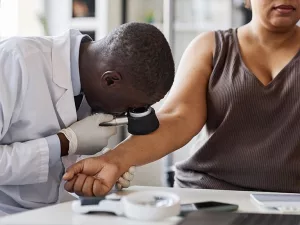
When you consult a doctor, they will take a medical history. Expect questions about risk factors such as tobacco use, sun exposure, new medications, or possible allergens you may have encountered.
A physical exam usually follows. The clinician will inspect your lips, teeth, gums and the inside of your mouth and ask about your symptoms. You may be asked when the bumps first appeared, how much pain you’re experiencing, and any other changes you’ve noticed.
Your provider might suggest additional tests, such as:
- blood tests to look for viral or bacterial infections
- biopsy of skin cells to check for cancer
- X-ray, CT, or MRI imaging to examine the mouth and jaw for abnormalities
For minor infections like thrush or oral herpes, a diagnosis is often possible based on a visual exam alone.
How are bumps on lips treated?
Treatment depends on the underlying cause. Physicians can prescribe medications for infections — including antifungals, antivirals, or antibiotics.
Allergic reactions and dermatitis may be managed with antihistamines or topical therapies to reduce inflammation and discomfort.
Some conditions, such as canker sores and oral herpes, can be treated to reduce symptoms but may recur in the future.
Oral cancer may require more extensive care, including surgical removal of the lesion, and potentially additional medications or radiation to prevent spread.
Home remedies for bumps on lips
Follow your clinician’s instructions for managing the bumps and avoid disturbing the affected area. Additional self-care measures you can try include:
- Maintain good oral hygiene even when you have lip lesions. Brush your teeth at least two to three times daily and floss at least once a day. If an infection caused the bumps, replace your toothbrush after it resolves.
- You may use over-the-counter pain relievers to help ease discomfort related to lip bumps. Find a selection here.
- Gargling and spitting a warm saltwater rinse can reduce inflammation and irritation.
- Avoid picking or irritating the skin on your lips, as this can delay healing and increase the risk of infection.


















Leave a Reply
You must be logged in to post a comment.