
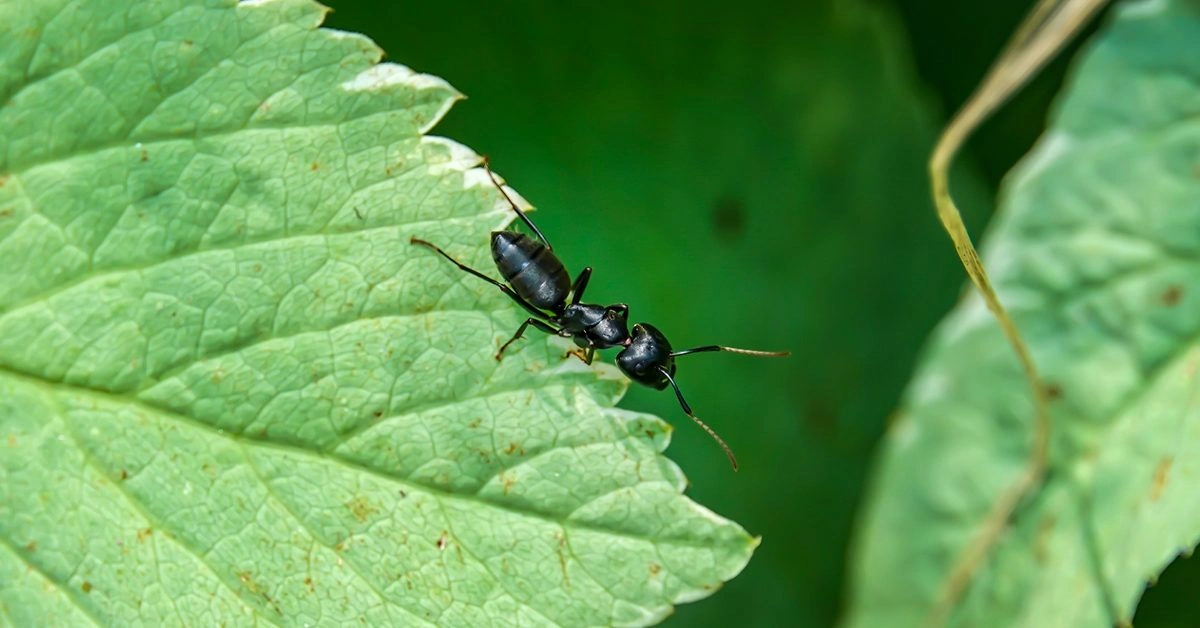
Carpenter ants are black, red, or brown insects that tunnel into wood to create nests. They are found across the United States, especially in northern regions. There are over 1,000 known species of carpenter ants.

These ants seldom bite people, and when they do the bites are not typically dangerous. A bite might produce a brief burning feeling, but it should subside quickly.
Do carpenter ants bite?
Carpenter ants can bite, though it’s uncommon. Biting usually happens as a defensive reaction. These bites are not generally harmful to your health.
Carpenter ant bite symptoms
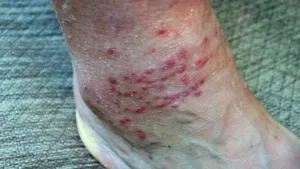
Bites from carpenter ants are minor and don’t usually present like an obvious insect sting or distinct bite mark.
You might notice a bite if you’ve been outdoors near a nest. The skin around the bite can become slightly red, but severe reactions are unlikely. A burning or stinging sensation may occur briefly. These signs typically resolve quickly.
Carpenter ant identification
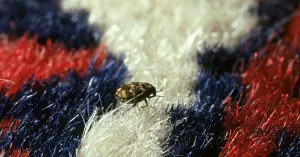
Carpenter ants are typically red, black, or a mix of both; some species can be brown. They have six legs, three body segments, antennae, and some individuals may have wings.
Adults range from about 1/4 inch to 3/4 inch long.
In the U.S., they are most common in the northern states.
Fire ants vs. carpenter ants
Carpenter ants are not usually dangerous to humans, whereas fire ants can be.
While carpenter ant bites are mild, fire ants can swarm and sting, causing intense pain and raised, pimple-like lesions on the skin. Fire ant stings can lead to infection or allergic responses in some people.
Fire ants are small, generally around 1/4 inch or less, and are reddish-brown. They are aggressive, form elevated earthen mounds, and are widespread in the southern U.S.
Fire ant stings are common; one study found that 79 percent of Texas residents surveyed had experienced a fire ant sting that year.
Carpenter ant vs. termites
Both termites and carpenter ants target wood, but termites actually consume wood, while carpenter ants excavate it to build galleries for their nests.
If left untreated, termite infestations can rapidly damage wooden structures.
Termites are unlikely to bite humans.
Termites occur throughout the U.S. and often arrive at new locations as winged reproductives, shedding their wings after settling. Carpenter ant alates may also be winged, with wings broader at the top than the bottom. Termite wings are equal in size. Termite antennae are straight, while ant antennae have a 90-degree bend.
Optum Now is operated by RVO Health. By clicking on this link, we may receive a commission. Learn more.
What to do if you’ve been bitten
Because carpenter ant bites are minor, they often require no treatment.
To avoid additional bites, move away from the area where you noticed the bite.
If the skin reacts, simple first aid can help: clean the area with soap and water and apply a cool compress.
Although carpenter ant bites are usually harmless, it’s possible the bite was from a more dangerous insect.
Contact a healthcare provider if you experience swelling, persistent pain, fever, or worsening of the bite site, as these could indicate infection or an allergic reaction.
Do carpenter ants pose any other dangers to people, pets, or our homes?
Carpenter ant bites are generally harmless, but carpenter ants can damage wooden structures in and around your home. They do not eat wood like termites, but they tunnel through it to build their colonies.
What attracts carpenter ants?
Carpenter ants are drawn to moist, fungus-infested wood. Areas with excess moisture from leaks, heavy rain, or pooling water are appealing locations for them.
How to get rid of carpenter ants
Several approaches can help eliminate carpenter ants:
- Eliminate water sources near nests by fixing leaks and repairing damp wood.
- Store firewood and lumber away from the house.
- Keep plants and tree limbs from touching your home so ants can’t use them to enter.
- Ensure window seals and cracks are closed when windows are shut.
- Use ant sprays or a homemade bait solution made from boric acid, water, and sugar to control ants. Keep such treatments out of reach of children and pets and follow label instructions.
If these methods are ineffective, consider hiring a professional to remove the colony.
How to find a carpenter ant nest
There are a few signs that indicate a carpenter ant colony besides spotting the ants themselves.
You might find shavings or sawdust-like material near small, 1/8-inch holes in wood. Other indicators include dead insects or tiny fragments of insulation that ants have tunneled through.
Carpenter ants may also build colonies in decayed or damp wood outside your home, such as in stacked firewood, trees, lumber piles, or wooden posts.
Takeaway
Carpenter ants tunnel through wood to form extensive colonies and can be found in many locations.
They rarely bite people. Their bites may burn briefly but usually don’t produce serious symptoms. If you have a bite with severe signs, it could be from a different insect.
Non-severe bites can be managed with basic first aid.
Seek medical attention if you suspect infection or have signs of an allergic reaction.

















Leave a Reply
You must be logged in to post a comment.