
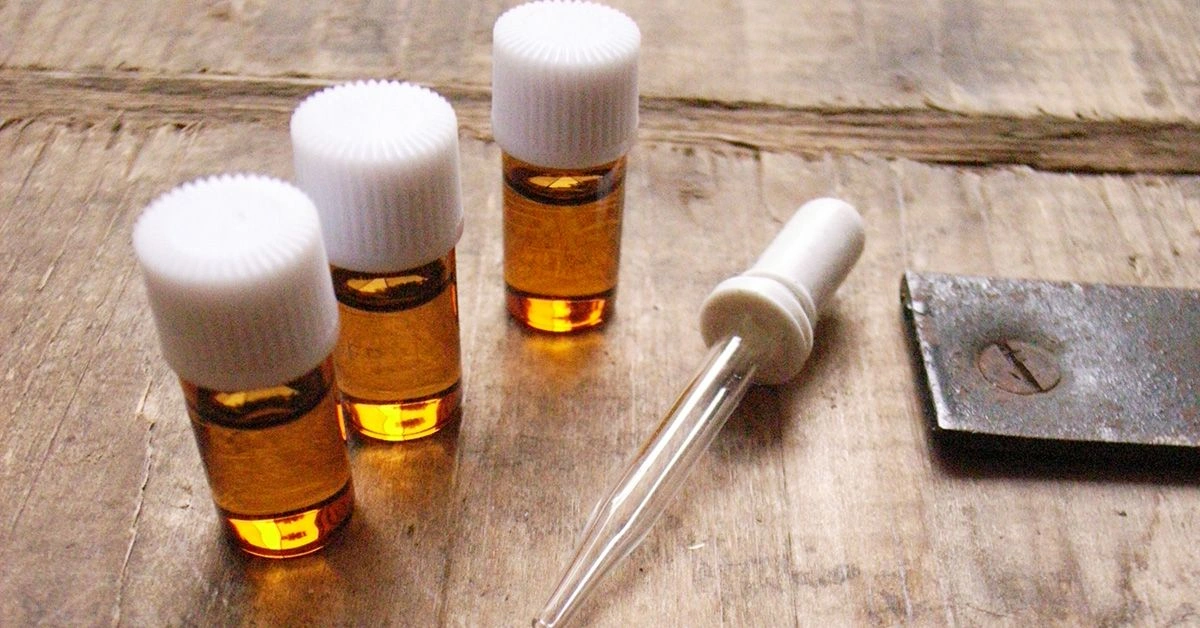
What is a rose geranium?
Many people use the essential oil distilled from the rose geranium plant for a variety of home remedies and therapeutic purposes. Continue reading to learn what research has revealed about the healing and household uses of rose geranium essential oil.
A rose geranium is a variety of geranium whose foliage emits a strong rose-like fragrance. This geranium species originates from certain regions of Africa.
It’s sometimes referred to as rose-scented geranium, sweet-scented geranium, or old-fashioned rose geranium. The plant features soft, velvety leaves and flowers that range from pale pink to near-white.

Documented benefits of rose geranium oil
Some assertions about rose geranium essential oil are supported by research, while others lack extensive evidence. Reported advantages of rose geranium essential oil include:
Antioxidant and anti-aging effects
Rose geranium oil is incorporated into certain beauty products, such as lotions and perfumes. A 2017 review of studies showed that antioxidant compounds in rose geranium oil may help diminish visible signs of aging.
Antioxidants are widely recognized for supporting the skin’s capacity to repair itself from environmental damage and exposure.
Anti-inflammatory activity
Anti-inflammatory effects of rose geranium oil have been observed in animal experiments.
For example, a 2013 study found that rose geranium oil significantly reduced swelling in mice paws and ears. The researchers suggested rose geranium oil might be a foundation for developing anti-inflammatory medications with fewer adverse effects than some current drugs.
Antimicrobial, antifungal, and antiviral actions
Rose geranium oil exhibits notable antimicrobial, antifungal, and antiviral qualities. The food industry even employs rose geranium oil as a natural preservative in select food items. In a 2017 review, rose geranium was reported to inhibit bacteria, fungi, and viruses that lead to skin infections and related conditions.
Pain-relieving and anxiety-reducing properties
The aroma of rose has been examined and found to promote relaxation, ease pain, and alleviate anxiety in clinical contexts. It’s not entirely clear whether these effects stem from the scent itself, from memories tied to the scent, or from specific chemical constituents in the fragrance.
Some people anecdotally believe that because rose geranium emits a rose-like aroma, inhaling its essential oil can produce similar calming and analgesic effects.
How is rose geranium oil used?
Rose geranium oil is present in many cosmetic items, including soaps, perfumes, lotions, and anti-aging formulations.
Certain weight-loss and bodybuilding supplements list rose geranium oil as an “active ingredient.” However, there’s no solid evidence that rose geranium oil promotes weight loss or muscle gain, though it may assist with blood sugar regulation.
Components of rose geranium essential oil suggest it could act as an effective tick repellent. In a 2013 study comparing 10 geranium essential oils, each demonstrated some repellent effect against the lone star tick, particularly against the nymph stage.
Essential oils are concentrated and should be diluted before skin application. Their fragrance can also be released into the air via diffusers.
Diluted rose geranium oil can be applied topically as an astringent to tighten skin, brighten the complexion, and help remove dead skin cells. It’s also used as a soothing, antimicrobial topical treatment for bacterial acne.
How to apply rose geranium oil to skin
Rose geranium oil can be diffused, inhaled, added to a warm bath, or mixed with a carrier oil for topical use.
To use rose geranium oil topically, begin by blending it with a carrier oil such as jojoba or coconut oil.
- Before using on your face, perform a patch test: apply the diluted oil to a small, hidden area on your inner arm and wait 24 hours to confirm you don’t have an allergic reaction.
- Mix one to two drops of rose geranium oil with approximately eight to nine drops of your chosen carrier oil.
- Massage the blend into your skin and allow it to absorb. Rose geranium oil may not serve as an ideal base for makeup, so it’s often best used as part of an evening skincare routine.
Risks and adverse effects
For those without allergies to rose geranium oil, it’s generally safe when applied topically, inhaled, or used in a diffuser. Essential oils should not be ingested, as many are toxic when swallowed.
Do not substitute rose geranium oil for any prescription medication recommended by your physician.
Other comparable essential oils
If you’re considering rose geranium oil for acne or inflammation, you might also look into grapeseed oil or tea tree oil.
Rose geranium oil is a potent antibacterial and antioxidant essential oil. Other oils with similar antioxidant benefits include rosemary oil, lemon oil, and carrot seed oil. You may also find geranium oil useful in related skincare routines.
If your goal is a natural tick repellent, alternatives to consider include garlic oil or lemon eucalyptus oil. There are several effective plant-based tick repellent options available.
The bottom line
Rose geranium has been employed historically for skin conditions, blood sugar support, and digestive relief. Nonetheless, more robust research is needed to confirm many of the claims surrounding rose geranium essential oil.
For most people, rose geranium oil is safe for topical use and inhalation and may serve as an antibacterial, antimicrobial, and anti-aging aid. Its gentle rose-like fragrance may also help promote calm and relaxation.






















Leave a Reply
You must be logged in to post a comment.