
Topical herbal preparations can be a mild yet potent option for treating painful scrapes, irritating rashes, and dry, lackluster skin.
Although you can often purchase these products at a local natural shop, they’re typically quick and easy to craft at home. These topical blends not only feed your skin, but also form a light barrier that shields and helps your skin take in beneficial nutrients.
Oils, salves, and creams
There are three main categories of topical herbal products: infused oils, salves, and creams or lotions.
- Infused oils are produced by steeping herbs in a carrier oil such as olive or almond to draw out the plant compounds that soothe the skin.
- Salves are solid blends of oils and a wax like beeswax or soy wax.
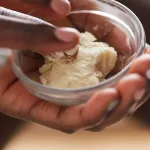
- Creams and lotions, as you likely know, range from rich to lightweight in texture, combining oils with water to create a moisturizing topical product.
The initial step in preparing these at home is to infuse oil with dried herbs. After that, you can use the oil on its own as a topical application, or combine it to produce a salve or cream.
Infused oils will keep for up to a year, so you can mix and match them as needed for your home remedy stash.
Don’t forget:Perform a patch test before applying any new product to your skin to avoid an allergic response.
How to make an herb-infused oil
Makes approximately 8 ounces.

You need:
- 4 oz. dried herb
- 8 oz. skin-safe carrier oil, such as olive oil or almond oil
- quart-sized mason jar
- slow cooker or stock pot
Directions:
- Finely chop or grind your dried herb and place it in the mason jar. Cover with the oil, and stir gently so the herb is evenly distributed.
- Seal the mason jar, and set it in a water bath inside either a slow cooker or a stock pot on the stove (if using a stock pot, set a mason jar lid ring under the jar to prevent the glass from touching the pot’s metal).
- Warm the water and oil gently for 3–5 days, aiming to keep the oil temperature near 110 degrees. The “low” or “warm” setting on a slow cooker is perfect.
- After 3–5 days, take out the jar and allow the oil to cool a bit so it’s safe to touch, then strain the oil through muslin, cheesecloth, or a clean cotton t-shirt to remove the herb solids.
- Transfer the oil to an airtight container and store in a cool, dark place. It will remain usable for up to a year.
How to make an herbal salve
Makes approximately 9 ounces.
You need:
- 8 oz. herb-infused oil
- 1 oz. beeswax, grated or in pellets
- a double boiler
- clean glass jars or metal tins
- essential oils, optional
Directions:
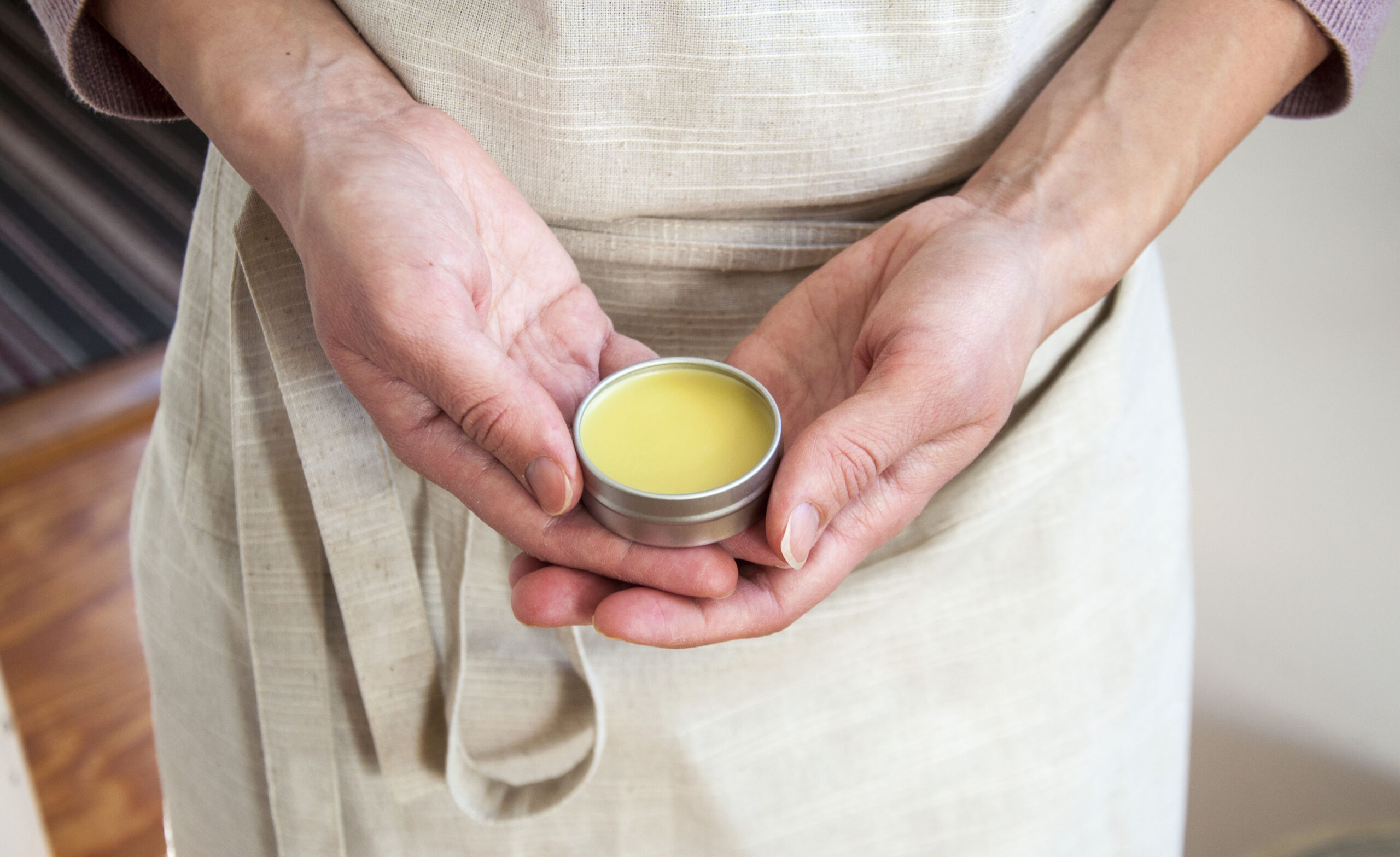
- Warm the infused oil in a double boiler. Add the beeswax and stir until it melts. Check the salve’s firmness by dipping a clean spoon into the mix and popping it into the freezer for a few minutes. If it’s too soft, add more beeswax.
- Pour the warm salve into containers (reused jam jars or small metal tins are convenient). If you want to include essential oils, add just a few drops now and stir with a chopstick or another clean tool.
- Seal the containers and keep them in a cool, dark place. Properly stored salves can last up to a year.
How to make an herbal cream
Makes approximately 16 ounces.
You need:
- 1 cup distilled water or rosewater
- 3/4 cup carrier oil (almond or an herb-infused oil)
- 1/2–1 oz. beeswax (use less for a lighter cream, more for a firmer texture)
- a double boiler
- blender or immersion blender
- clean glass jars
- essential oils, optional
Directions:
- Combine the oil and beeswax in a double boiler and heat gently until the beeswax has melted. Pour the warm oil mixture into a blender and let it cool to room temperature; it will become cloudy and thicken.
- Once cooled, run the blender on high and slowly stream the water into the center of the vortex. If your blender overheats, pause to let it cool — excess heat can re-melt the oil and wax and prevent proper emulsification.
- Watch for the mixture to turn white and develop a thick, creamy texture. The blender may start to struggle as the cream gets too stiff to incorporate more. You might not need all the water, and that’s okay.
- If using essential oils, gently fold in 1–2 drops at this point.
- Scoop the cream into jars using a spatula to get it all out of the blender. Cap and store in a cool, dry spot. Creams typically last about a month, and refrigeration can extend their shelf life.
Salve for scrapes and burns
Note:Serious burns require professional medical care. This salve is intended for mild burns and abrasions. If you’re unsure, consult a healthcare provider.
You need:
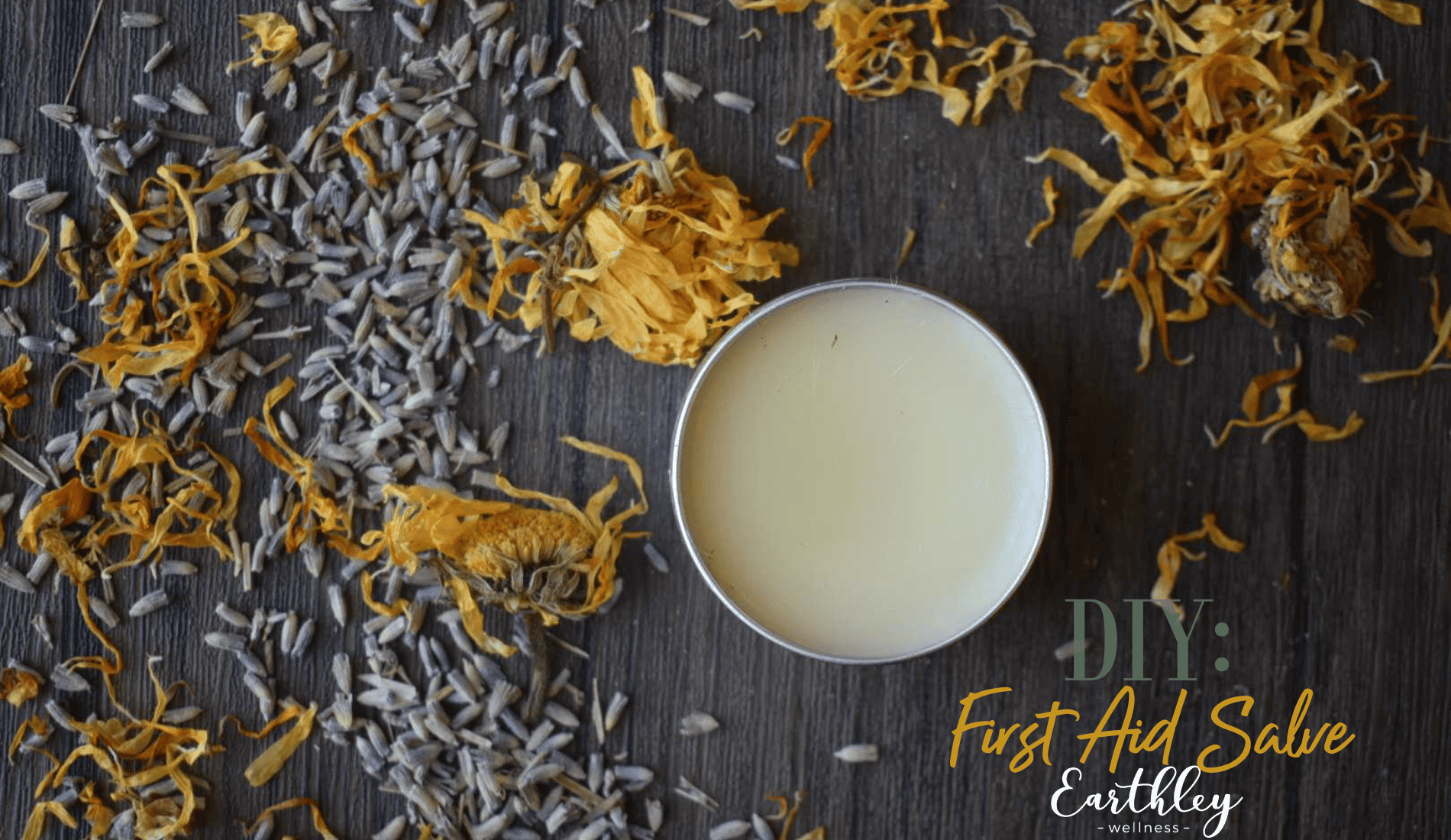
- 8 oz. herb-infused oil made with equal parts comfrey leaf (Symphytum sp.), oregon grape root (Berberis aquifolium), and calendula (Calendula officinalis)
- 1–2 drops lavender essential oil (Lavandula sp.)
A recipe for rash cream
For this lotion, substitute part of the water with aloe for cooling, soothing relief.
You need:
- 2/3 cup distilled water
- 1/3 cup aloe vera gel
- 3/4 cup herb-infused oil made with equal parts lemon balm (Melissa officinalis), chamomile (Matricaria recutita), and marshmallow root (Althea officinalis)
- 1–2 drops tea tree essential oil (Melaleuca alternifolia)
Radiant face cream recipe
You need:
- 1 cup rosewater
- 3/4 cup herb-infused oil prepared with equal parts yarrow (Achillea millefolium) and calendula (Calendula officinalis)
- 1–2 drops clary sage essential oil (Salvia sclarea)
Takeaway
With these fundamentals for crafting topical herbal remedies, you can experiment with the simple recipes above and stock your first-aid supplies with natural options to soothe scrapes, rashes, dry areas, and other minor skin troubles.















Leave a Reply
You must be logged in to post a comment.