

You’ve had a few drinks and things are starting to blur. When will everything snap back into focus? There’s no single answer.
Your liver can process roughly one standard drink per hour, but that doesn’t guarantee your buzz will vanish that quickly. How alcohol affects you, how intoxicated you become, and how long the effects persist depend on multiple factors.
First, it depends on what “drunk” means to you
People don’t all agree on what counts as being drunk. You might feel sober once you can walk straight, but that doesn’t necessarily mean you aren’t impaired. It ultimately comes down to blood alcohol concentration (BAC).
BAC measures the amount of alcohol in your blood relative to the amount of water in your blood. In the United States, you’re legally intoxicated at a blood alcohol concentration of 0.08 grams per deciliter (dL).
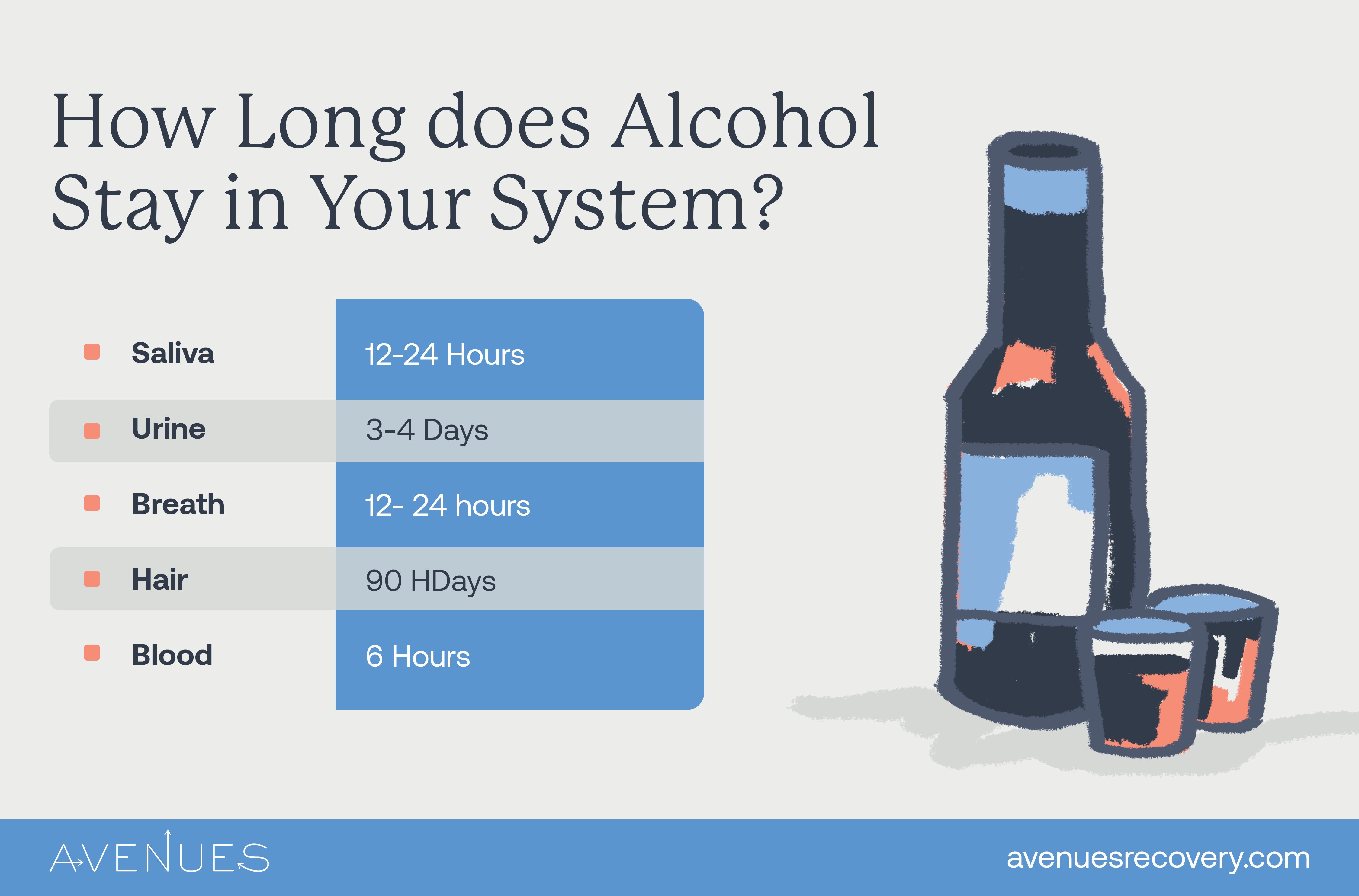
What raises your BAC to that level or beyond, how long alcohol stays in your system, and how long you feel its effects all vary with factors like body composition and drinking speed.
In general, most people consider themselves intoxicated when they notice:
- poorer judgment
- reduced attentiveness
- impaired coordination
- slurred speech
- difficulty concentrating
- sleepiness
Other major influences
You can’t precisely predict how long you’ll remain drunk, and despite any tricks you try, there’s nothing that will lower your BAC once you’ve been drinking except time.
Here are the variables that influence how long intoxication lasts.
How much you drink
The volume of alcohol you take in affects how long you’ll be drunk.
Alcohol reaches your bloodstream within minutes of consumption. The more you drink, the more alcohol circulates in your blood.
Remember it’s not only the count of drinks but also the type — some beverages contain more alcohol than others.
How quickly you drink
Your body needs time to metabolize each drink. If you drink rapidly, your BAC rises. The higher the BAC, the longer the intoxication will last.
Your body weight
When it comes to alcohol, body size matters because it influences how much space the alcohol can disperse into.
This means that if you go out with someone who weighs more than you, your BAC will likely be higher and it will take longer for you to sober up even if you both had the same amount to drink.
Your sex
Biological sex plays a role here.
Males and females process alcohol differently due to body composition differences. Women typically have a greater proportion of body fat, and since fat retains alcohol, this can lead to higher BACs and a longer period of intoxication.
Female bodies also typically have less water to dilute alcohol and lower levels of the enzyme dehydrogenase, which helps the liver break down alcohol.
What you’ve eaten
Whether you’ve eaten affects how fast alcohol enters your bloodstream.
Food in the stomach slows absorption, while drinking on an empty stomach speeds it up. The quicker alcohol is absorbed, the higher your BAC and the longer it will take to sober up — especially if you continue drinking.
Your tolerance
Drinking frequently over time can build up a tolerance to alcohol. Your body adjusts, so you need more alcohol to achieve the same sensations you once did.
Heavy drinkers may function with higher amounts of alcohol in their system than those who rarely drink, but that doesn’t mean they aren’t intoxicated.
Just because you can “hold your liquor” and don’t feel drunk doesn’t mean your BAC isn’t elevated. Again, it’s BAC that determines intoxication.
Also, tolerance often goes hand in hand with dependence, a marker of problematic alcohol use. If you notice you need more alcohol to feel effects, it may be time to re-evaluate your drinking habits.
For extra help and guidance, consider contacting the Substance Abuse and Mental Health Services Administration at 800-662-HELP (4357).
Your health
Some medical conditions, especially those affecting kidney or liver function, can change how quickly alcohol is processed and how it impacts you.
Ways to feel better faster
If you want to sober up faster, there’s bad news: the only thing that reduces BAC is time.
That said, there are measures you can take to feel more comfortable after overindulging.
To alleviate some effects of intoxication, try:
- Sleeping. Rest is effective when you’re drunk. Time is the only thing that lowers BAC, so use that time to recover so you’ll feel more alert afterward.
- Exercising. Some older research hints that exercise might speed alcohol metabolism, though this isn’t definitively proven. Still, physical activity can boost alertness and mood, so it may help if you’re feeling down after drinking.
- Hydrating. Drinking water or other nonalcoholic fluids won’t remove alcohol from your blood faster, but it can reduce sluggishness and help prevent a severe hangover. Even better: start hydrating before your first drink.
- Drinking coffee. Coffee can increase alertness. A cup or two while intoxicated may help if you’re feeling groggy.
Think twice before driving
It’s important: feeling sober doesn’t mean you aren’t impaired. Even if you feel normal, your BAC could still be above the legal limit. Reaction time and overall alertness are often still reduced, even when you don’t notice it.
Drinking raises the risk of an accident substantially. While a BAC of 0.08 or higher can result in legal consequences, any alcohol can harm your driving ability.
Per the National Highway Traffic Safety Administration, 1,878 people died in 2018 in alcohol-related crashes involving drivers with BACs between 0.01 and 0.07 g/dL.
If you’re unsure whether enough time has passed since your last drink to drive safely, play it safe for your sake and others’ and arrange another way home.
The takeaway
So many factors influence BAC that you can’t reliably predict how long you’ll feel drunk or remain above the legal limit. Your best course is to wait it out while your body processes the alcohol.














Leave a Reply
You must be logged in to post a comment.